




Scientists at The University of Nottingham have isolated three important genes involved in the development of a type of childhood brain cancer. The breakthrough is revealed in a study published in the British Journal of Cancer today.

Researchers from the Children's Brain Tumour Research Centre at The University of Nottingham, on behalf of the Children's Cancer and Leukaemia Group (CCLG), have found three genes associated with specific characteristics of ependymoma — the third most common form of childhood brain cancer.

Before now, relatively little was known about the underlying biology of this disease. The results of this study provide a more detailed understanding of the genetics behind ependymoma, which could help scientists develop targeted drugs to treat the disease more successfully, and with fewer side effects.

Rutgers geneticist Gleb Shumyatsky has shown that the same gene that controls innate fear in animals also promotes "helicopter mom" behavior in female animals, where they instinctively protect newborn pups and interact cautiously with unknown peers. The gene is known as stathmin or oncoprotein 18.

This "fear gene" is highly concentrated in the amygdala, a key region of the brain that deals with fear and anxiety. Shumyatsky's newest finding could enhance our understanding of human anxiety, including partpartum depression and borderline personality disorders.

KAKAMEGA, Kenya, September 15 /PRNewswire/ --

- Innovative Campaign Breaks Down Policy and Funding Barriers and Paves Way for Affordable and Efficient Approach

A new approach to fighting malaria, diarrhoeal diseases and HIV was launched today in the Western Kenyan district of Kakamega in Lurambi division.

The new campaign will provide a basic care package consisting of a PermaNet(R) long-lasting insecticide-treated bed net, a LifeStraw(R) water purification tool, condoms and educational materials as encouragement for residents to participate in a voluntary HIV counseling and testing campaign.

DETROIT, September 15 /PRNewswire/ --

YOBI.tv is a new world of digital entertainment, is free, and has contest channels for Vocal Talent, Film Making, Comedy, Photography, Fashion Design, and Innovation. Voting opened August 18 and in the first three weeks of voting the member chosen winning semi-finalists are from USA, Indonesia, Estonia and Australia. The contestants this week are from 35 countries and visitors from more than 80 countries make up contestant views, which have increased 500% in the past fifteen weeks.

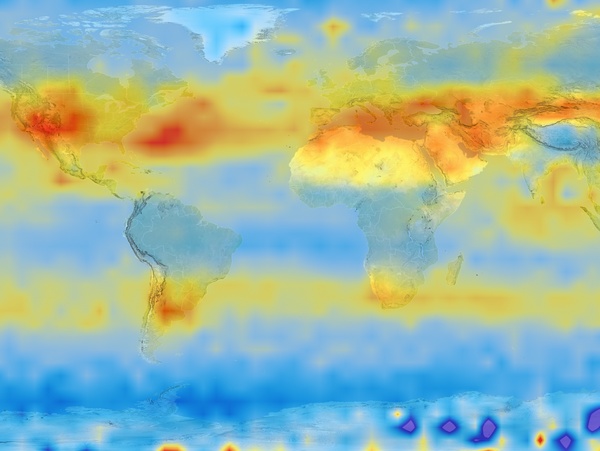
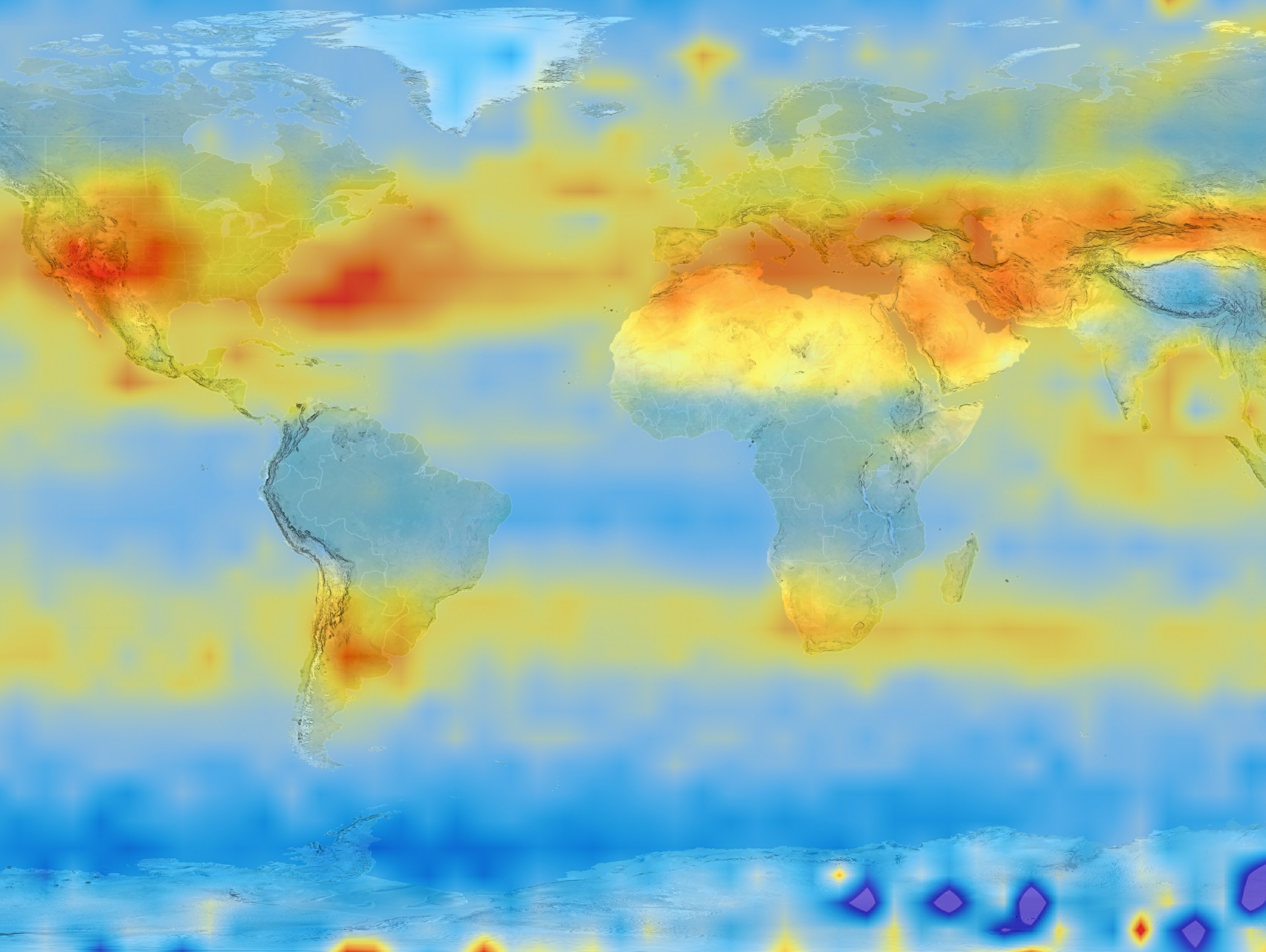
An ongoing rise in atmospheric carbon dioxide from burning of fossil fuels might be kept below harmful levels if emissions from coal are phased out within the next few decades, say researchers. They say that less plentiful oil and gas should be used sparingly as well, but that far greater supplies of coal mean that it must be the main target of reductions, write climatologist Pushker Kharecha and James Hansen of NASA Goddard Institute for Space Studies in Global Biogeochemical Cycles.

The burning of fossil fuels accounts for about 80 percent of the rise of atmospheric CO2 since the pre-industrial era, to its current level of 385 parts per million. However, while there are huge amounts of coal left, predictions about when and how oil and gas production might start running out have proved controversial, and this has made it difficult to anticipate future emissions. To better understand how the emissions might change in the future, Kharecha and Hansen considered a wide range of scenarios.

Demonstrating that despite the large number of cancer-causing genes already identified, many more remain to be found, scientists at Dana-Farber Cancer Institute have linked a previously unsuspected gene, CDK8, to colon cancer.

The discovery of CDK8's role in cancer was made possible by new tools for assessing the activity of specific genes, say the authors of the new study. As these tools are further improved, the stream of newly discovered cancer genes is expected to increase, providing new avenues for therapy, the authors suggest in Nature on Sept. 14.

The study is noteworthy in another respect, as well, the authors indicated. Many of the abnormal proteins linked to cancer are known as "transcription factors" because they're able to "read" cell DNA and use that information for producing other cell proteins. Although transcription factors are important regulators, this class of proteins has proven to be impossible to target with drugs. Genes that influence such transcription factors, however, make attractive targets for drugs, since they can potentially disrupt the cancer process and disable tumor cells. CDK8 is such a gene.

What happened to my jugs? They’re huge! I’m talking about my milk jugs, of course. No, seriously -- those large, plastic, gallon-sized jugs that you buy at the store that are filled with milk. It seems that they’ve gone through quite a growth spurt all of the sudden.

Milk Jugs - The New and the Old

Why the sudden design change? Transitioning to the new “squared off” jugs saves money, materials, time, and fuel… all things that are good for businesses, consumers, and the environment. The new-fangled jugs started showing up in selected Costco, WalMart, and Sam’s Club stores last fall. But because of the savings they represent, they are certain to start appearing in grocery stores all around the country before long.

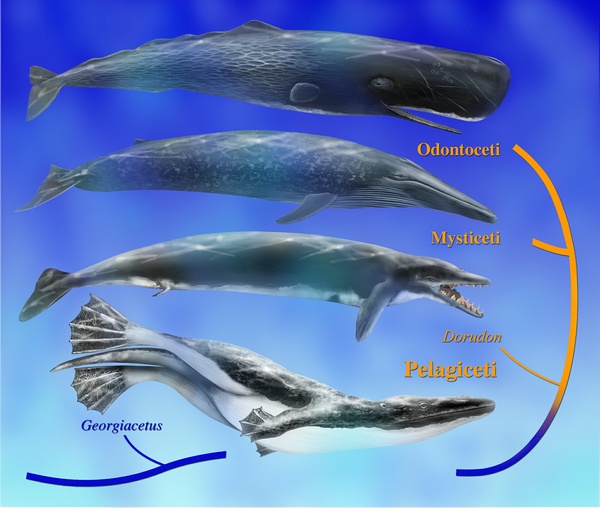
The crashing of the enormous fluked tail on the surface of the ocean is a “calling card” of modern whales.

Living whales have no back legs and use their front legs as 'flippers' that allow them to steer. Their tails provide the powerful thrust necessary to move their huge bulk.

Yet this has not always been the case, according to research in the latest issue of the Journal of Vertebrate Paleontology. Paleontologist Mark D. Uhen of the Alabama Museum of Natural History describes new fossils from Alabama and Mississippi that pinpoint where tail flukes developed in the evolution of whales.

Almost every bad thing a teenager does gets attributed to the 'crowd' they hang out with - few parents confess to having the troublemaker kid. Now an RTI International researcher says that goes for weight gain in kids too.

It isn't your fault for letting them eat junk food; it's their friends, for also being overweight.

The study, published in the September issue of Journal of Health Economics says that friends' weight is correlated with an adolescent’s own weight even after considering demographics, smoking status, birth weight, and household characteristics such as parental obesity.

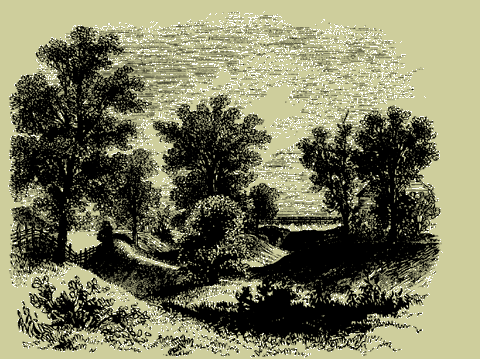
Fort Miami wasn't a fort at all, according to discoveries made this summer by members of the University of Cincinnati's Ohio Valley Archaeology Field School project, who spent weeks working at the site in Hamilton County's Shawnee Lookout park.

What they found actually offers great insight into the cultural priorities of the Shawnee – the human labor that went into building the earthworks were done for agricultural purposes, not military. The earthworks were not a fort, but a water management system of dams and canals built to counter the impact of long-term drought.

It is also much larger than previously believed – so large, in fact, that its berms stretch to almost six kilometers in length, making it twice as large as any other Native American earthworks in Ohio, and one of the largest in the nation.

Fort Miami.

