The Mousetrap MythBuild a better mousetrap and the world will beat a path to your door. The metaphor of a better mousetrap suggests that any really useful invention will be eagerly adopted. In this series of articles I trace a history of invention and discovery which shows that resistance is more likely than acceptance, even for proven life-saving inventions and facilities.
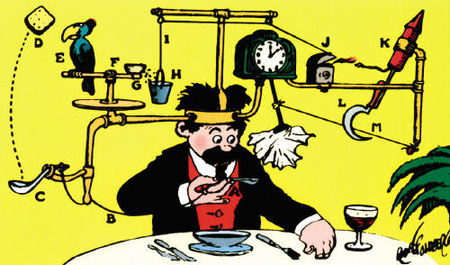
A better mousetrap ?
The Danish composer Per Nørgård uses an endless self similar (fractal like) strict sloth canon structure in some of his compositions such as his Symphony number 2. He first discovered his sequence in 1959.
Researchers behind a new paper say women's brains appear to be hard-wired to respond to the cries of a hungry infant.
They asked men and women to let their minds wander, then played a recording of white noise interspersed with the sounds of an infant crying. Brain scans showed that, in the women, patterns of brain activity abruptly switched to an attentive mode when they heard the infant cries, whereas the men's brains remained in the resting state.
Mouse studies have determined that a small molecule called natriuretic polypeptide b (Nppb) released in the spinal cord triggers a process that is later experienced in the brain as the sensation of itch.
Nppb streams ahead and selectively plugs into a specific nerve cell in the spinal cord, which sends the signal onward through the central nervous system. When Nppb or its nerve cell was removed, mice stopped scratching at a broad array of itch-inducing substances. The signal wasn’t going through.
Young entrepreneurs tackling hard problems and billion dollar markets took top prizes at the First Look West (FLoW) regional finals competition with technologies that recover waste energy from energy servers powered by fuel cells, mobile phone apps for tracking home energy use and devices for improving solar panel efficiencies. At an awards celebration held at the University of Southern California on May 7, Pyro-E, Chai Energy and Dragonfly shared $160,000 in prize money and start-up packages that include face time with top investors and legal support.
Increasingly one can't help but notice the tone of many of today's hot button science topics have decidedly left the realm of science and become firmly entrenched in advocacy. My choice of discussion is Genetically Modified Organisms (GMO) foods.
While I don't intent to pick on
Steve Savage, since he is clearly a very knowledgeable individual, I couldn't help but be struck by
his recent article which seemed to cross far over the line into advocacy. Moreover, I certainly don't intend to impugn anything about Steve as anything other than that we have a disagreement on this topic.
Gerald Warner Blows Wind
Gerald Warner is not a scientist: he is a polemicist. A very good polemicist, if that means someone who knows how to make good use of the diatribe dictionary. If there is a word or phrase which will get Gerald Warner a high ranking in a Google search, you can be sure to find it in his latest
anti-warmist diatribe.

I have four questions and a request for you, Gerald Warner.
Question #1Why do you feel the need to use the loaded language which I cite below ?
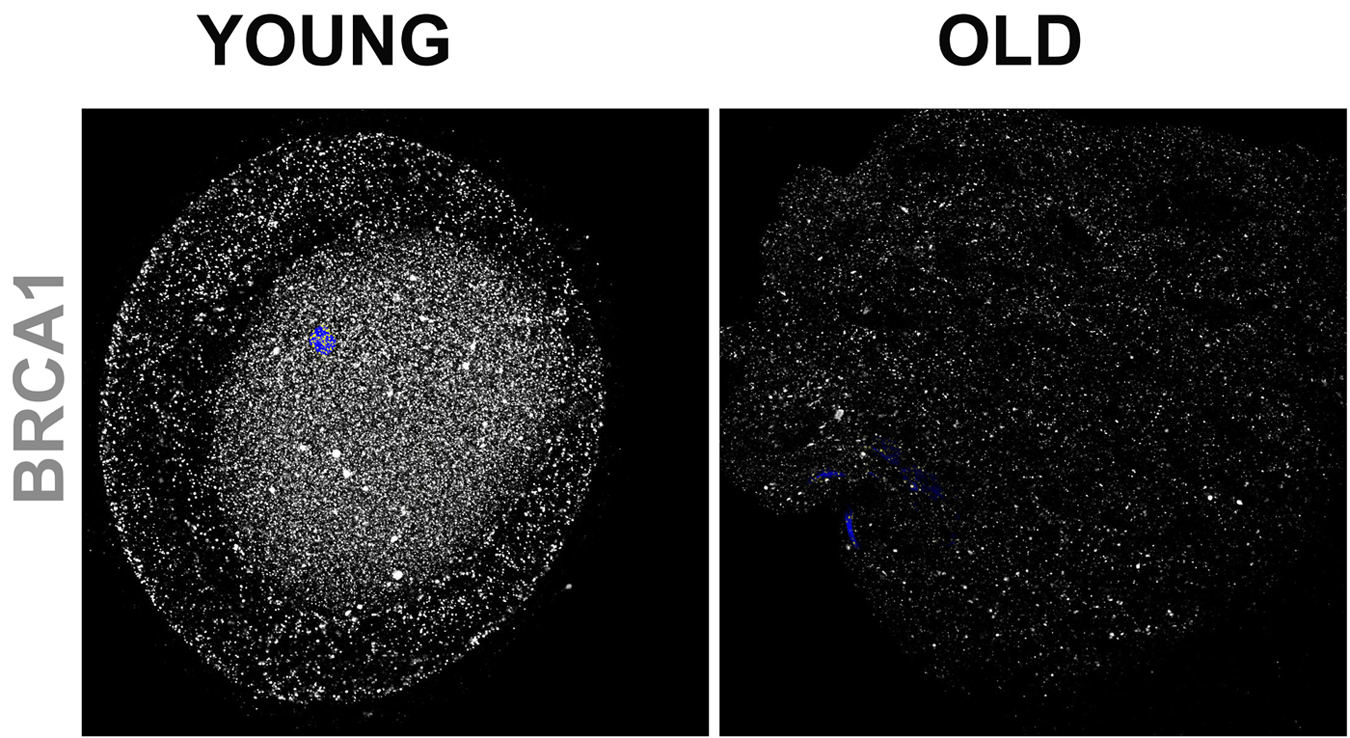
Scientists have a new theory as to why a woman’s fertility declines after her mid-30s: As women age, their egg cells become riddled with DNA damage and die off because their DNA repair systems wear out. Defects in one of the DNA repair genes, BRCA1, have long been linked with breast cancer and now also appear to cause early menopause.
Researchers have reversed behavioral and brain abnormalities in adult mice that resemble schizophrenia by restoring normal expression to a suspect gene, Neuregulin 1, that is over-expressed in humans with the illness. Targeting Neuregulin 1, which makes a protein important for brain development, may hold promise for treating at least some patients with the brain disorder, say the scientists.
Like patients with schizophrenia, adult mice biogenetically-engineered to have higher Neuregulin 1 levels showed reduced activity of the brain messenger chemicals glutamate and GABA. The mice also showed behaviors related to aspects of the human illness. For example, they interacted less with other animals and faltered on thinking tasks.
When a magnet is divided, a new magnet with north and south poles is always created. A monopole, i.e. a north pole without a south pole or a south pole without a north pole has not yet been discovered but in Science researchers describe the discovery of new type of artificial monopole in a solid, i.e. particles, which have similar characteristics to monopoles, but which only exist within materials.