Advanced sensors that monitor extreme pressure and temperature in underground caverns
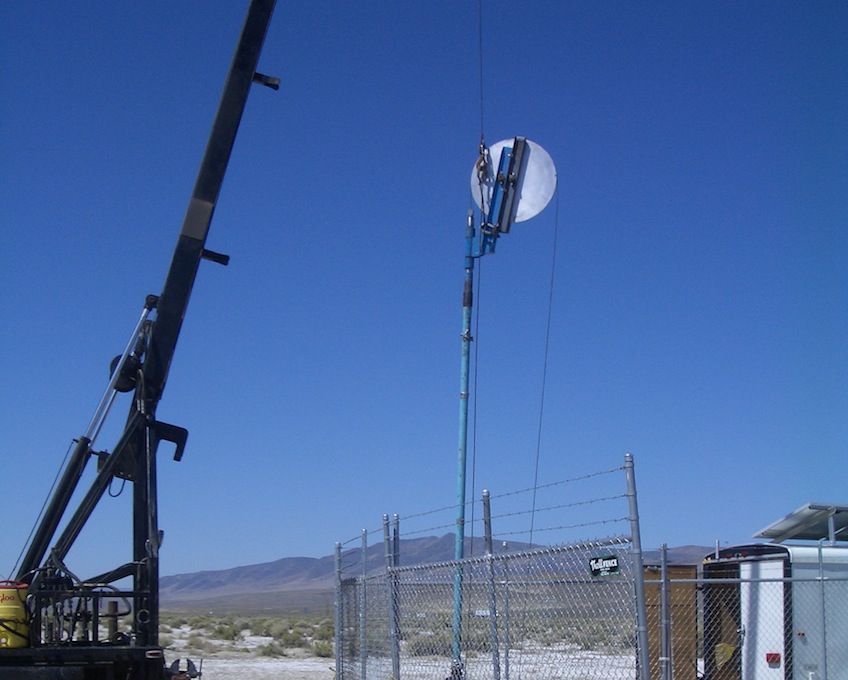
used to store carbon dioxide might be on their way.CO2 emitted from the combustion of fossil fuels has long been an environmental issue, it represents 84 percent of U.S. greenhouse gas emissions, according to a 2010 analysis by the Environmental Protection Agency. Officials see capturing CO2 emitted by industrial producers like power plants as one possible tool in the fight against climate change. The technique, called carbon capture and sequestration, pumps the captured greenhouse gas into cavities up to two kilometers below the Earth’s surface.
Last time we examined Robert Batterman’s idea that the concept of emergence can be made more precise by the fact that emergent phenomena such as phase transitions can be described by models that include mathematical singularities (such as infinities). According to Batterman, the type of qualitative step that characterizes emergence is handled nicely by way of mathematical singularities, so that there is no need to invoke metaphysically suspect “higher organizing principles.” Still, emergence would remain a genuine case of ontological (not just epistemic) non-reducibility, thus contradicting fundamental reductionism.
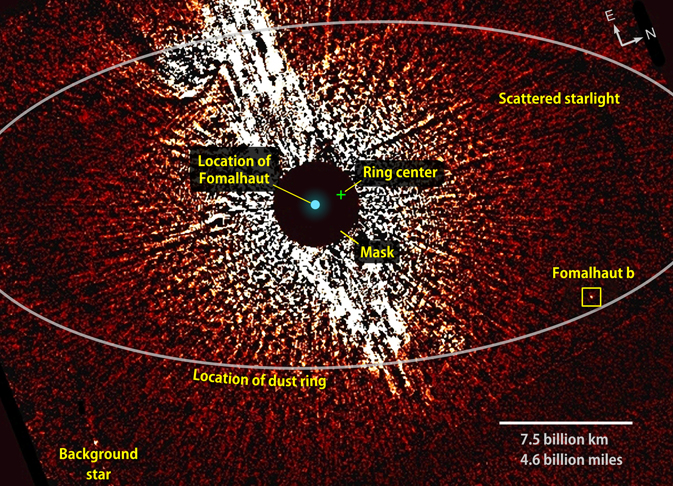
Does the nearby star Fomalhaut host a massive exoplanet? It depends on who you ask.
A new paper says that the planet, named Fomalhaut b, is a rare and possibly unique object that is completely shrouded by dust. Wasn't it already a planet?
Researchers have successfully created a human heart cell model of arrhythmogenic right ventricular cardiomyopathy (ARVC), an inherited heart muscle disorder that puts carriers at high risk of developing life-threatening arrhythmias and sudden cardiac death.
1.8 million years ago, giant German hippopotamuses wallowed on the banks of the Elbe.
Hippos were all over Europe then, along with other megafauna like woolly mammoths and giant cave bears. What went wrong? Palaeontologists blame global cooling during the Pleistocene Era, which may have forced Europe’s hippos to shrink to pygmy sizes before finally driving them to warmer climes.
Decades after the fall of the Berlin Wall and the reunification of East and West Germany, one third of political prisoners of the former German Democratic Republic (GDR) still suffer from sleeping disorders, nightmares and irrational fear, say professor Andreas Maercker and PD Matthias Schützwohl, who have examined the post-traumatic consequences in former political prisoners over a period of fifteen years.
In the African savannah can reach 149° Fahrenheit in the middle of the day, which leads to burning sand and an obvious problem for anything that lives there, including small insects that spend their lives on the surface of the sand. Some insects seek protection in the shade or climb up blades of grass to escape the worst of the heat.
But South African dung beetles have come up with a unique strategy to escape the heat of the sun; they climb on top of their rolled-up meal, which happens to be a ball of dung. These dung balls are a kind of air conditioning unit because the ball is made from the moist dung of a large(ish) mammal. When the moisture in the dung ball evaporates in the heat, the ball is cooled down.
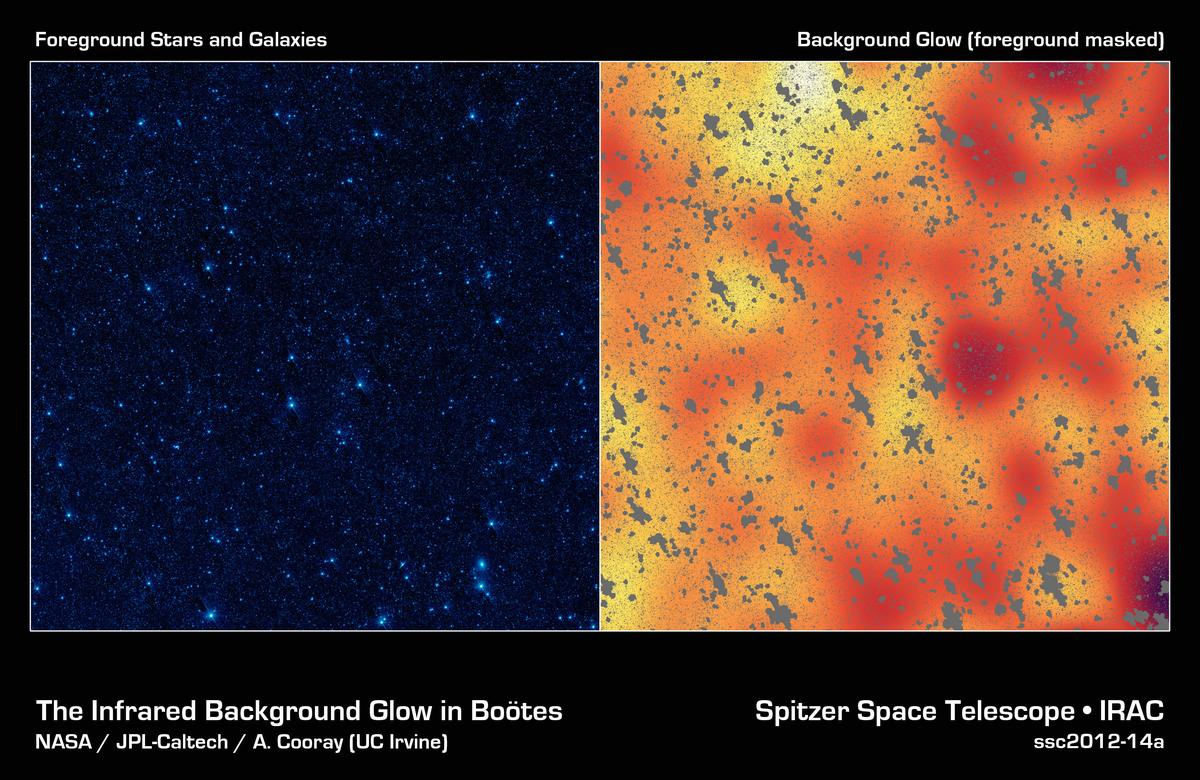
When is a theory not a theory? When no one can even agree on what the theory is and competing ones are disproved once a year. Astronomers disagree about why they see more light in the universe than should be seen; that is, why the infrared light they observe exceeds the amount of light emitted from known galaxies.
When looking at the cosmos, astronomers have seen what are neither stars nor galaxies nor a uniform dark sky but mysterious, sandpaper-like smatterings of light, what UCLA professor of physics and astronomy Edward L. (Ned) Wright refers to as "fluctuations".
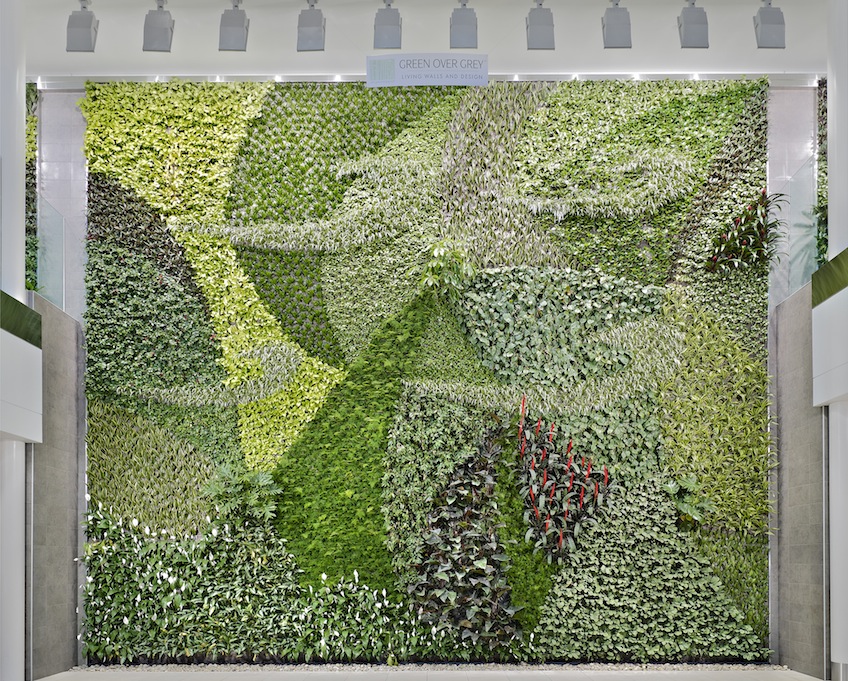
When visitors arrive at Edmonton International Airport in Alberta, Canada, they are greeted by a 1,440 square foot living wall; a “green wall” arranged like a modern art canvas with 8,000 plants encompassing 32 different species. “It is the largest living wall inside any building in the world,” says Patrick Poiraud, design consultant and principal with Green Over Grey, the designers behind the installation.
Which do you love more, organic food or green energy? Because you may have to choose.
Oregon is the site of a conflict between food and energy, though it is a state that claims it loves both - but the people who love each primarily do so because it makes them money. You really can't love both anyway, because environmental activists are in a never-ending war against the bulk of society and its bad habits, and also in a war with each other. They not only love Gaia more than you do, they love Gaia more than other environmentalists.