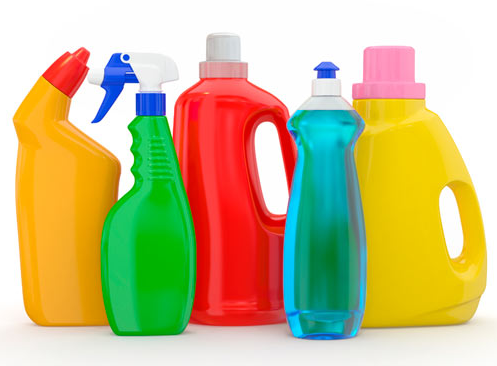



Though people selling alternatives to science will use labels like "chemical-free", that is not really the case. Our world is entirely chemical.

'Chemical' has simply been turned into a bad word in 'if I cannot pronounce it, it must be bad' modern environmentalism catered toward wealthy elites. Are green alternatives actually less toxic? No, it turns out, and even worse is that because they claim a 'natural' basis, they are exempt from the labeling requirements of traditional products, so green consumers don't know the extent of the risk they are undertaking.
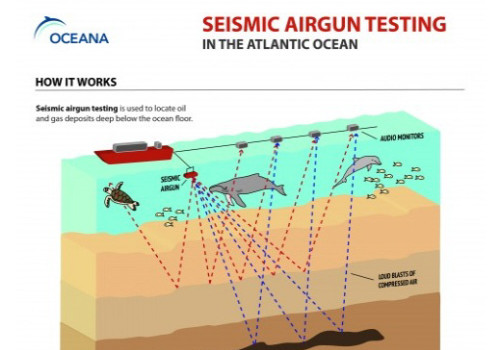
75 marine scientists have sent a letter to President Obama scolding the administration for its policies on seismic airgun blasting in the Atlantic Ocean,

New York City professes to be tolerant, diverse and outcome-oriented in many ways - education for elites is not among them. 6 percent of 8th graders will get to go to one of 8 specialized elite schools, based on test scores and all of the racial, social and income inequality that perpetuates.


Modern smartphones are wonderful devices - they let us check email we won't reply to until we get to a desktop, they take pictures and sometimes they even make a poor quality phone call.

But that convenience comes with a price: it is easy to avoid thinking for ourselves, was a caution. And it is warranted, finds a paper in Computers in Human Behavior, which suggests that smartphone users who are intuitive thinkers, more prone to relying on gut feelings and instincts when making decisions, frequently use their device's search engine rather than their own brainpower.

Every fertility specialist seeks to design the most effective treatment strategy possible for each couple seeking to become pregnant. Treatment is usually a complex process and fertility drugs are often part of the regimen. Along with the benefits of such drugs, however, come risks such as multiple gestation or pregnancy.

People with diabetes are more prone to anxiety and depression than those with other chronic diseases that require similar levels of management. The reasons for this aren't well understood, but Joslin Diabetes Center researchers have discovered one potential explanation.

Genetically modifying mice to make their brains resistant to insulin, the Joslin scientists first found that the animals exhibited behaviors that suggest anxiety and depression, and then pinpointed a mechanism that lowers levels of the key neurotransmitter dopamine in areas of the brain associated with those conditions.

Here's the rub with friction -- scientists don't really know how it works. Sure, humans have been harnessing the power of friction since rubbing two sticks together to build the first fire, but the physics of friction remains largely in the dark.

In a new paper in Nature Materials, Brandeis University professor Zvonomir Dogic and his lab explored friction at the microscopic level. They discovered that the force generating friction is much stronger than previously thought. The discovery is an important step toward understanding the physics of the cellular and molecular world and designing the next generation of microscopic and nanotechnologies.

The research was conducted as part of the Brandeis University Materials Research Science and Engineering Center.


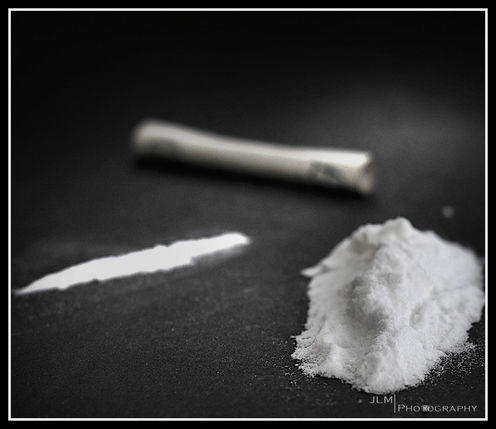
An Australian study found certain elite athletes were more at risk of taking drugs than others. Credit: Lee Morley, CC BY-NC-ND

There’s a widespread public perception that substance use is rife among Australian athletes. Whenever I tell people I research substance use among athletes, the most common response is: “They’re all on it.”


Northern gannets avoid buckling their necks by choosing the right diving speed. Credit: Jean-Jacques Boujot

By Ben Stein, Inside Science

(Inside Science Currents Blog) -- Animals perform many feats that are remarkable once you think about them. Here’s one that I never previously contemplated: seabirds dive into the water to capture fish at seemingly breakneck speeds — yet their necks are completely unharmed.

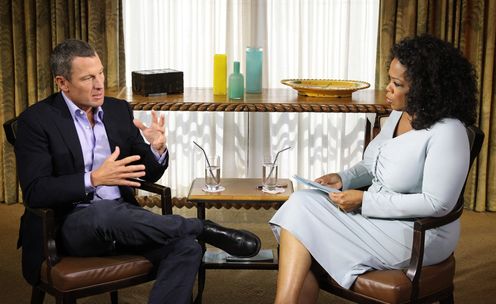
No doubt Lance Armstrong is still digesting the news that he has to repay $10 million (£6.4m) to previous sponsors following a ruling by an arbitration panel a few weeks ago.

This is on top of the lifetime ban from all sporting competitions that he was given several years back.


