


Researchers at the Montreal Heart Institute announced today results showing that patients with cardiovascular disease and the appropriate genetic background benefit greatly from the new medication dalcetrapib, with a reduction of 39% in combined clinical outcomes including heart attacks, strokes, unstable angina, coronary revascularizations and cardiovascular deaths. These patients also benefit from a reduction in the amount of atherosclerosis (thickened walls) in their vessels. The detailed results are published in the prestigious Journal Circulation Cardiovascular Genetics. This discovery may also pave the way for a new era in cardiovascular medicine, with personalized or precision drugs.


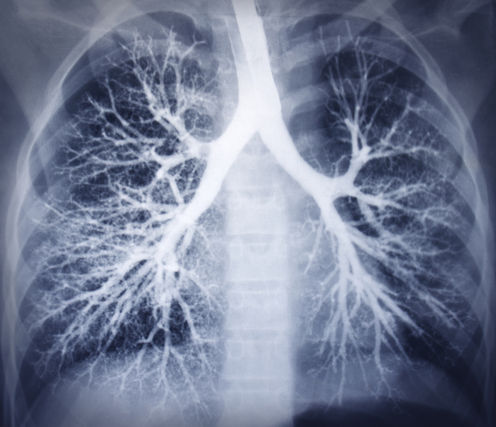
Leaky blood vessels in the lung can lead to acute respiratory distress. Shutterstock

By Jalees Rehman, University of Illinois at Chicago


They're suspected al-Shabaab militants – but probably not ivory traders. UN, CC BY-NC-SA

By Diogo Veríssimo, Georgia State University

It is often said that if something is repeated often enough, it becomes accepted as true. This has certainly been the case for the link between terrorism and the poaching of elephants for the ivory trade.

Sex or no sex?  If you want to be healthier as a species over time, sexual reproduction is the way to go, according to a new study. 

It's a long-debated topic among biologists - some argue that sexual reproduction is superior because species don't accumulate harmful mutations as easily as in asexual reproduction.

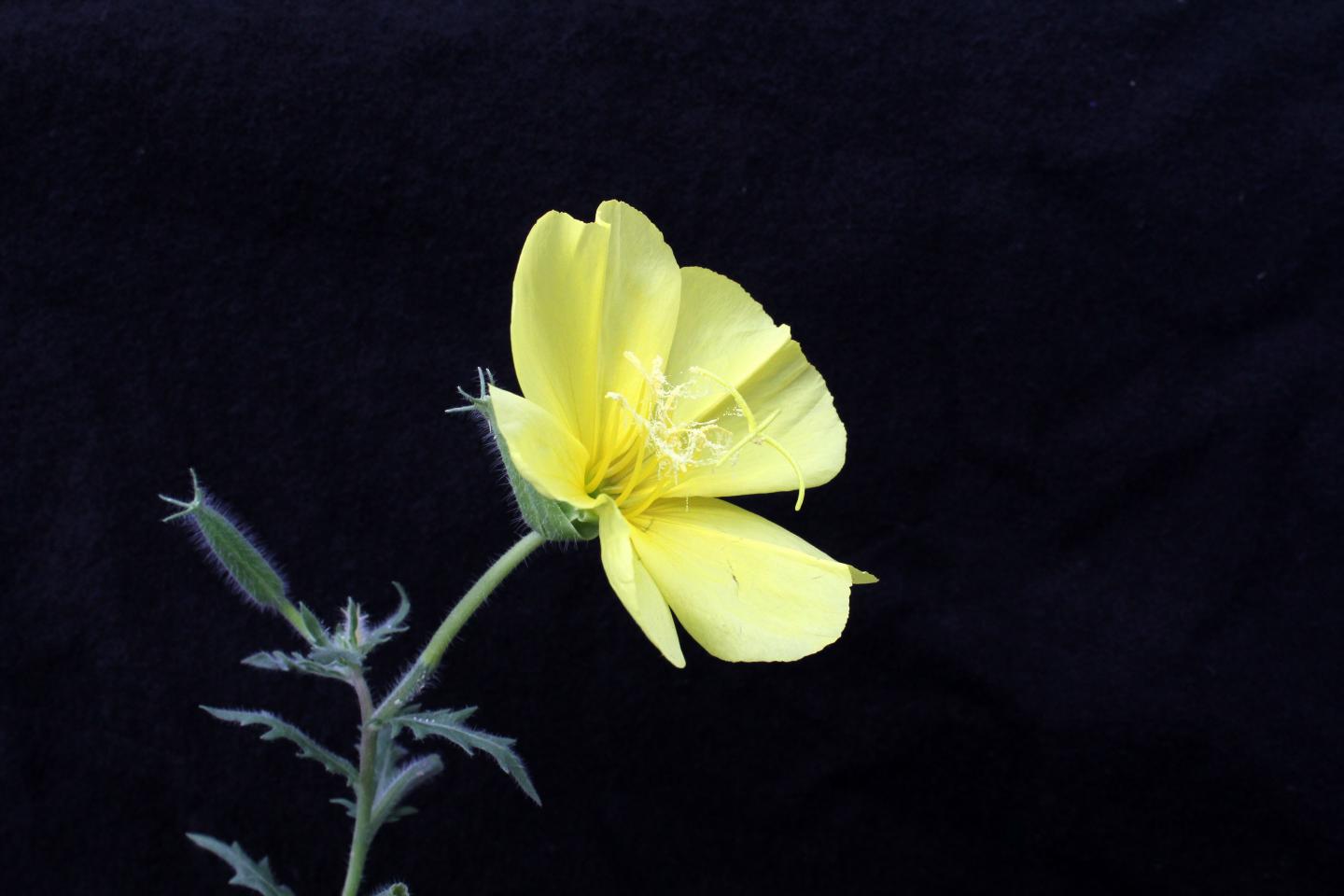
Using various species of the evening primrose (Oenothera) as his model, Dr. Jesse Hollister, assistant professor at Stony Brook University in New York, and colleagues demonstrated strong support for reproducing sexually. "These findings allow us to understand why an enormous diversity of species around the world go through the laborious process of sexual reproduction," says Hollister.

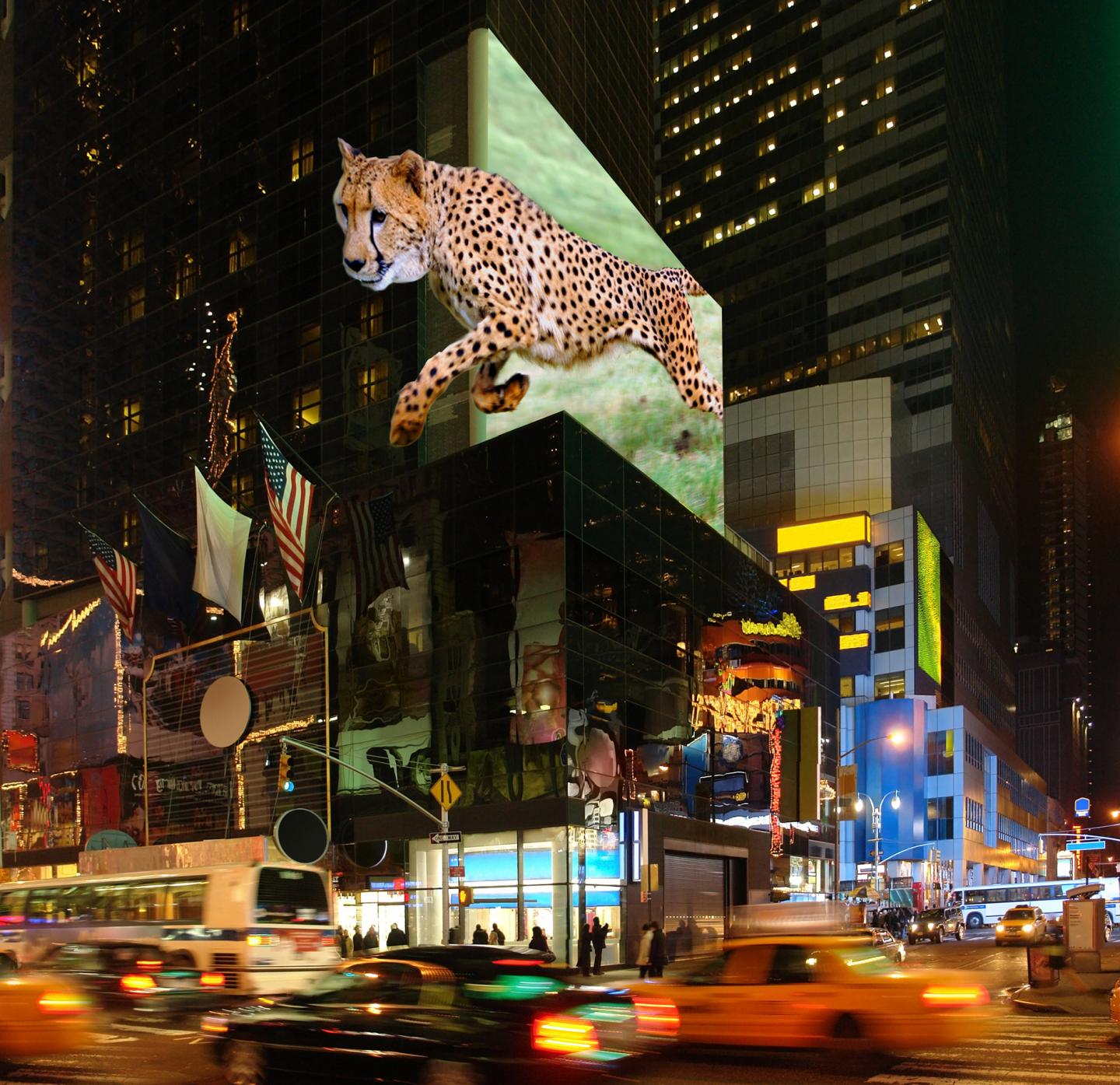
Engineers in Austria have given us a blessing and a curse - they have created a giant laser system that sends beams in different directions, which makes them visible from many different angles. 

The angular resolution is so fine that the left eye is presented a different picture than the right one, creating a 3D effect.

 On November 23rd, 2014, a new volcano eruption commenced on Fogo, one of the Cape Verde Islands, and it continues even now, making it the largest and most damaging eruption - and the biggest natural disaster no one in the western world was reading about it - on the archipelago for over 60 years. 

Most of the damage was caused by lava flows advancing into populated regions and numerous buildings, homes and roads were destroyed. In total, three villages have been abandoned and thousands of residents were evacuated.

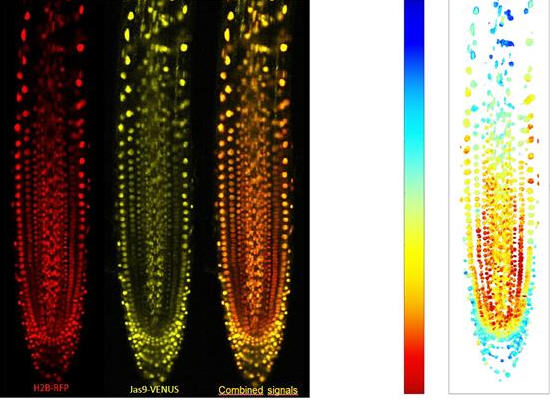
Scientists have developed a new biosensor that allows them to see, in real time, what happens when a plant’s defenxe system swings into action.

When plants come under attack internal alarms signal and their defense mechanisms swing into action. For the first time, plant scientists have imaged, in real time, what happens when plants beat off the bugs and respond to disease and damage.

Malcolm Bennett, Professor in Plant Science at The University of Nottingham and Director of the Centre for Plant Integrative Biology, said, “Understanding how plants respond to mechanical damage, such as insect attack, is important for developing crops which cope better under stress.”


Can the promise of free community college be delivered? President Obama at Pellissippi State College in Knoxville, TN Kevin Lamarque/Reuters

By Donald E. Heller, Michigan State University

Last week, President Barack Obama announced a proposal to guarantee that students could attend a community college for free for their first two years. The announcement was one in a series of previews of domestic policy proposals he is planning to include in his State of the Union speech later this month.

Land-based plants respond to hormones in order to survive and it was once assumed that such hormone signaling machinery only existed in these relatively complex plants but new research shows that some types of freshwater algae can also detect ethylene gas - the same stress hormone found in land plants - and might use these signals to adapt to changing environmental conditions.

Interbreeding of two malaria mosquito species in the West African country of Mali has resulted in a "super mosquito" hybrid that's resistant to insecticide-treated bed nets.

Anopheles gambiae, a major malaria vector, is interbreeding with isolated pockets of another malaria mosquito, A. coluzzii. Entomologists initially considered them as the "M and S forms" of Anopheles gambiae. They are now recognized as separate species. Interbreeding of two malaria mosquito species in the West African country of Mali has resulted in a "super mosquito" hybrid that's resistant to insecticide-treated bed nets.


