


Over 2,000 years ago, gold- and silversmiths developed a variety of techniques, including using mercury like a glue to apply thin films of metals to statues and other objects.

They developed thin-film coating technology that is unrivaled by today's process for producing DVDs, solar cells, electronic devices and other products and used it on jewels, statues, amulets and more common objects. Workmen over 2000 years ago managed to make precious metal coatings as thin and adherent as possible, which not only saved expensive metals but improved resistance to wear caused from continued use and circulation.

Understanding these sophisticated metal-plating techniques from ancient times could help preserve priceless artistic and other treasures from the past.

A new study by astronomers using the Atacama Large Millimeter/submillimeter Array (ALMA) telescope have discovered columns of cold, dense gas exiting the disk of nearby starburst galaxy NGC 253, also known as the Silver Dollar Galaxy.

NGC 253 is located 11.5 million light-years away in the constellation Sculptor. The galaxy, with its slightly askew orientation, offers astronomers an uncommonly clear view of several super star clusters near its center. These clusters denote areas where new stars are forming and they also mark the starting point for material being ejected from the galaxy.

The pharmaceutical treatment of disease has obviously improved a lot in 50 years but that doesn't mean kids like the taste of medicine.

Does that mean kids won't take it?

Perhaps they won't take it, if you are the worst parent ever, but a review in Clinical Therapeutics takes the issues out of folklore and highlights recent advances in the scientific understanding of bitter taste, with special attention to the sensory world of children. 

Today I received news of an interesting measurement of angular distributions of the decay products in the rare decay of the B meson to  a K* and a muon pair - one of the specialties of the LHCb collaboration, which has more horse-power in some of these low-energy measurements than ATLAS and CMS.

Scientists using tracking data from Garwood Valley in the McMurdo Dry Valleys region of Antarctica have documented an acceleration in the melt rate of permafrost - ground ice - in a section of Antarctica where the ice had been considered stable.

The melt rates are comparable with the Arctic, where accelerated melting of permafrost has become a regularly recurring phenomenon, and the change could offer a preview of melting permafrost in other parts of a warming Antarctic continent, says Joseph Levy, a research associate at The University of Texas at Austin's Institute for Geophysics.

The paper in Scientific Reports

For almost a century, science has been engaged in a quest to study brain waves and learn about mental health and the way we think.

It hasn't been easy. The way billions of interconnected neurons work together to produce brain waves remains unknown. Researchers from École Polytechnique Fédérale de Lausanne's Blue Brain Project in Switzerland and the Allen Institute for Brain Science in the United States say that their numerical model is providing a new tool to solve the mystery.

Regular marijuana use in adolescence may permanently impair brain function, cognition and increase the risk of developing serious psychiatric disorders such as schizophrenia, according to a recent study in Neuropsychopharmacology.

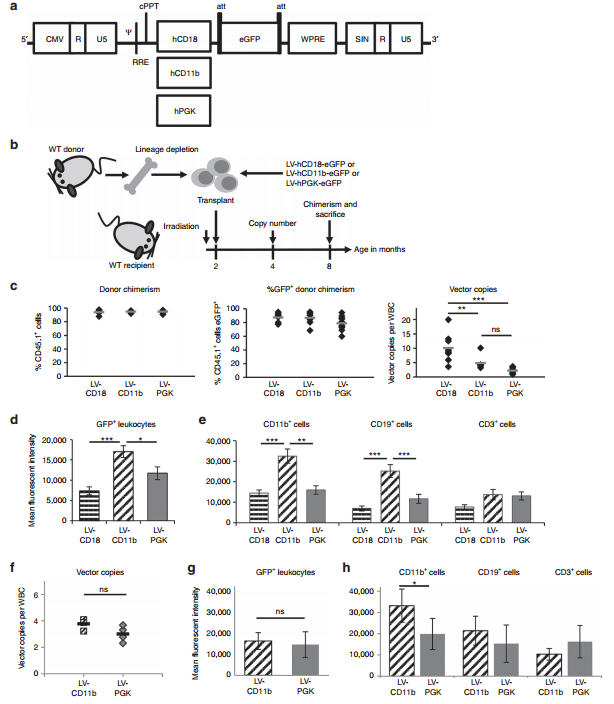
Stem cell gene therapy has been used to treat a fatal genetic brain disease - Sanfilippo, which in human children causes progressive dementia and death - in mice for the first time. 

The researchers are hoping to begin a clinical trial within two years.

Male guppies must not be very sexy, because they have evolved an extreme way to hold on to a female that interests them, even if that affection is unrequited: claws on their genitals to make it more difficult for unreceptive females to get away during mating.

Walking helps people in lots of ways but a paper in the Archives of Pediatrics & Adolescent Medicine (now JAMA Pediatrics) has a new benefit; adolescent girls who walk to school show a cognitive boost compared to girls who travel by bus or car.

But distance matters. Girls who walk more than 15 minutes showed more benefit than those who live closer and have a shorter walk to school.

The results come from findings of the nationwide AVENA (Food and Assessment of the Nutritional Status of Spanish Adolescents) study, which they say is the first international study that associates mode of commuting to school and cognitive performance.

