

Why do some organisms within a single species have many offspring, while others have relatively few? A new study led by University of Minnesota researcher Emilie Snell-Rood finds that access to some nutrients may be a star player in shaping traits related to fitness such as fecundity and eye size over the long term. Given drastic increases in the availability of many nutrients due to the widespread use of fertilizers and road salts, the finding has important implications for agriculture and ecology.

Whitehead Institute scientists have created a checklist that defines the "naive" state of cultured human embryonic stem cells (hESCs). Such cells can mature into almost any cell type and more closely resemble the unique molecular features of pluripotent cells in the early human embryo than adult stem cells. Since the late 1990s, scientists have been very interested in working with naive stem cells, but they have been more hope than promise; they don't even have a common definition of what makes a cell truly naive.

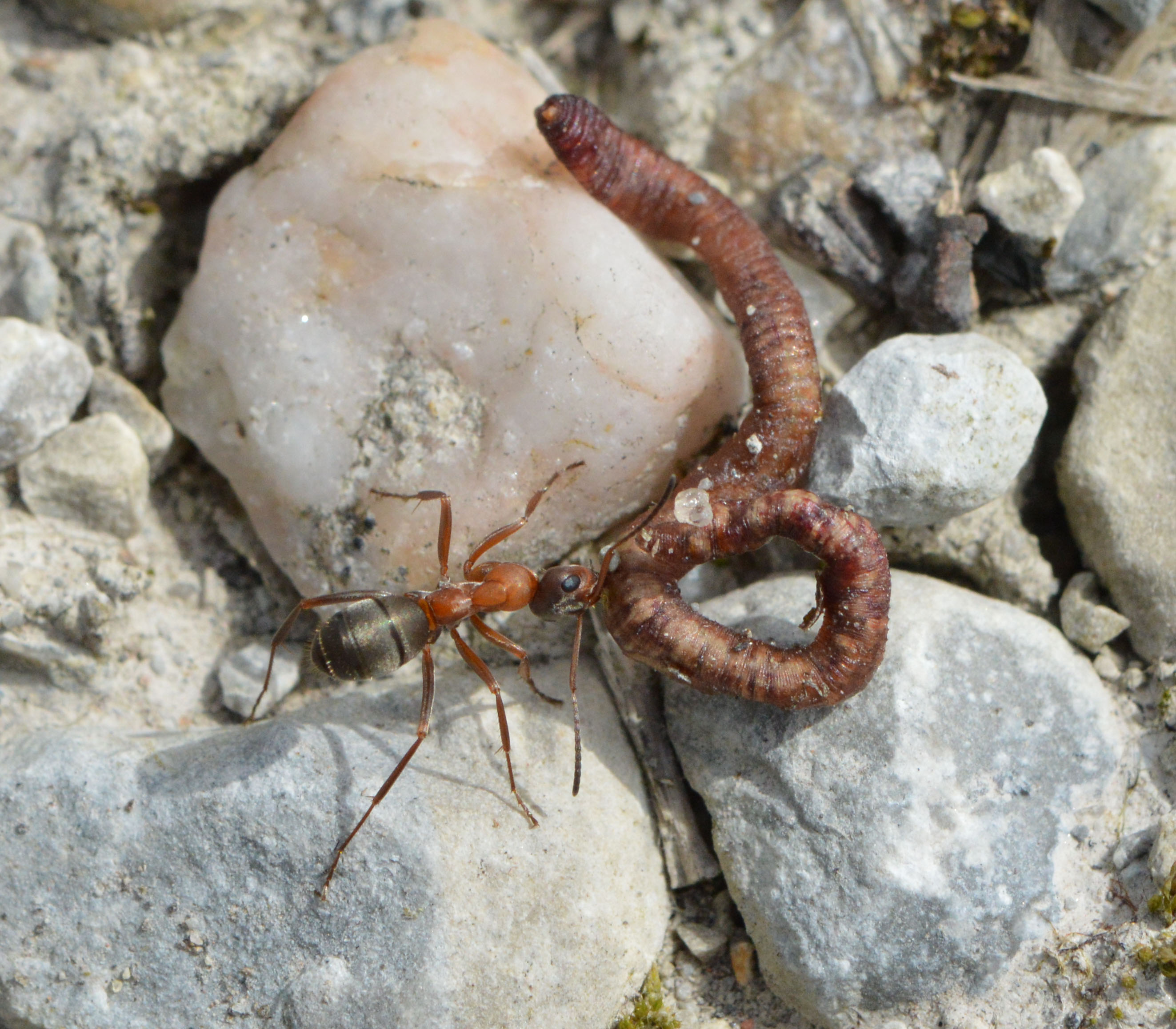
Life isn’t always easy, but some beetles simply behave reckless.Trying to get your eggs inside a colony of murderous all-consuming red woodants (Formica rufa, see the picturebelow) is simply asking for trouble, or is it?

The four spotted leaf beetle larvae build a house of excrement (poo) and earth to survive this hostile environment.

Meet the four spotted leaf beetle (Clytra quadripunctata, see the pictures.) These beetles look like ladybugs that have been stretched on the rack (a torture device from the middle ages). 

Scientists have discovered the switch to harness the power of cord blood and potentially increase the supply of stem cells for cancer patients needing transplantation therapy to fight their disease. 
Stem cells were first discovered in Toronto in 1961 at the
Princess Margaret Cancer Centre
 by Drs. James Till and Ernest McCulloch, a discovery that launched a new field of science and formed the basis of all stem cell research that continues to this day. 

Biophysics: As they age, more and more defects arise in most organisms. Researchers from the Niels Bohr Institute have discovered that microorganisms like bacteria can keep a colony young by practicing a common strategy for propagation. The same may be true for, for example, stem cells in humans. The results have been published in the scientific journal, Cell Systems.

Ala Trusina working in the laboratory, where she studies cell division in bacterial colonies and stem cells. (Photo: Ola Jakup Joensen)

Clear communication between a doctor and patient is essential, especially when patients with advanced cancer wish to participate in decision-making about their medical treatment options, and trade-offs between quality and quantity of life emerge. A new study in JAMA Oncology finds that most of these patients report far more optimistic expectations for survival prognosis than their oncologists, due to patients' misunderstanding of their oncologists' clinical judgment.

"Previous research shows that patients, families and clinicians tend to either avoid prognosis-related conversations altogether or discuss prognosis in unbalanced ways," says first author Robert Gramling, M.D., M.Sc., Holly and Bob Miller Chair in Palliative Medicine at the University of Vermont.

Dietary restriction, or limited food intake without malnutrition, has beneficial effects on longevity in some species, like rats, but they have to be weaned on it. 

Despite that, a paper in PLoS Genetics claims it works in humans, probably to get mainstream media attention but will almost surely show that open access is even worse about peer review than subscription journals. Except despite claiming it works on humans, they do their study in roundworms, which in this case has zero relevance to human longevity, which means peer reviewers can say they addressed the study, while the scientists themselves engaged in hype.

In this Policy Forum, Neil Ferguson et al. use results from a model of virus transmission to analyze the current Zika epidemic in Latin America, suggesting that it may have already peaked. Evidence increasingly suggests a causal link between Zika infection and microcephaly, as well as other serious congenital anomalies, prompting the World Health Organization to declare the Zika epidemic an international health concern in February 2016.

Here, using a model incorporating factors that determine the scale and speed of emerging viral infection in naïve populations, Ferguson and colleagues estimate that the current epidemic in Latin America will be over in three years; they base this estimate largely on the transmissibility of Zika and the time between cycles of infection.

The current Zika epidemic in Latin America is likely to burn itself out within three years, suggests new research.

The findings, from scientists at Imperial College London, also conclude that the epidemic cannot be contained with existing control measures. The team, who published their findings in the journal Science, predict the next large-scale epidemic is unlikely to emerge for at least another ten years - although there is a possibility of smaller outbreaks in this time.

Several hunter-gatherer populations independently adopted farming in the Fertile Crescent during the Neolithic period, then went on to sow the seeds of farming far and wide, a new analysis suggests. The results contribute to the debate about whether a single source population in farming's cradle spread the culture and genes associated with the hunter-gatherer to farmer transition, or whether multiple different farmer groups, potentially with multiple, localized domestications, played a role in spreading the technology. Today, despite continued insights from ancient DNA studies, the origins of farming populations in the Fertile Crescent, where farming first began, remain elusive.


