With the help of a small stool, Mercy Carrion clambers onto an examination table. The obese 50-year-old woman stands just 115.6 cm (3’9.5’’) tall. Despite being overweight, Mercy shows no sign of developing diabetes and has remarkably low blood pressure at 100/70. “That’s why they don’t care much about their weight,” says her doctor, Jaime Guevara-Aguirre.


Mercy, who has a rare genetic disorder, is one of his long-term patients. She and her peers know they are in some way protected from diabetes, cancer and a number of other diseases that threaten the rest of us as we age. As such, they have a happy-go-lucky attitude towards health and fitness.

Methane, the abundant and inexpensive natural gas, is often burnt off around the world at oil fields and refineries but it's a great energy source and base material for the chemical industry, if only there was a viable way to put it in liquid form, which is easier to transport and more reactive.

A 20 percent tax on sugar-sweetened drinks would result in widespread, long-lasting public health benefits and significant health cost savings, an estimated $400 million a year and reduce annual health expenditure by up to $29 million, according to a computer model.

A phase I study of the drug LOXO-101 appears to significantly reduce tumors in patients with varied types of genetically defined cancer, according to a study led by The University of Texas MD Anderson Cancer Center.

The results of the study, which followed patients with unique proteins called tropomyosin receptor kinase fusions (TRKs), were presented at the American Association for Cancer Research's annual meeting held April 16-20 in New Orleans.

"We saw efficacy with significant tumor regression in all six TRK fusion patients enrolled in the study," said David Hong, M.D., associate professor of Investigational Cancer Therapeutics. "We were surprised by the fact that the study demonstrated efficacy in every one of the TRK fusion-positive patients."

Encountering information suggesting that it may be tough to find a romantic partner shifts people's decision making toward riskier options, according to new findings from a series of studies published in Psychological Science, a journal of the Association for Psychological Science.

"Environmental cues indicating that one will have a relatively difficult time finding a mate can drive people to concentrate their investment choices into a few high-risk, high-return options," says psychological scientist Joshua Ackerman of the University of Michigan, lead author on the research. "This is true even when the decisions people are making are not explicitly relevant to romantic outcomes."

Researchers have characterized the prevalence and risk factors of fatty liver disease in patients who undergo liver transplantation. The findings, which are published in Liver Transplantation, a journal of the American Association for the Study of Liver Diseases, could have important implications for safeguarding transplant recipients' health.

A computer can probably beat you at chess and no one goes anywhere without a GPS. Transhumanist prophet Ray Kurzweil says we will ascend into being computers in a few years (though he also claims solar power will out-produce fossil fuels in a decade, so use caution when he is selling books) but some think it's the other way around, and that humans will instead be the ultimate supercomputers.

When people take the psychedelic drug LSD, they sometimes feel as though the boundary that separates them from the rest of the world has dissolved. Now, the first functional magnetic resonance images (fMRI) of people's brains while on LSD help to explain this phenomenon known as "ego dissolution."

As researchers report in the Cell Press journal Current Biology on April 13, these images suggest that ego dissolution occurs as regions of the brain involved in higher cognition become heavily over-connected. The findings suggest that studies of LSD and other psychedelic drugs can produce important insights into the brain. They can also provide intriguing biological insight into philosophical questions about the very nature of reality, the researchers say.

An analysis comparing the individual differences between over 40 strains of Zika virus (30 isolated from humans, 10 from mosquitoes, and 1 from monkeys) has identified significant changes in both amino acid and nucleotide sequences during the past half-century. The data, published April 15 in Cell Host & Microbe, support a strong divergence between the Asian and African lineages as well as human and mosquito isolates of the virus, and will likely be helpful as researchers flush out how a relatively unknown pathogen led to the current outbreak.

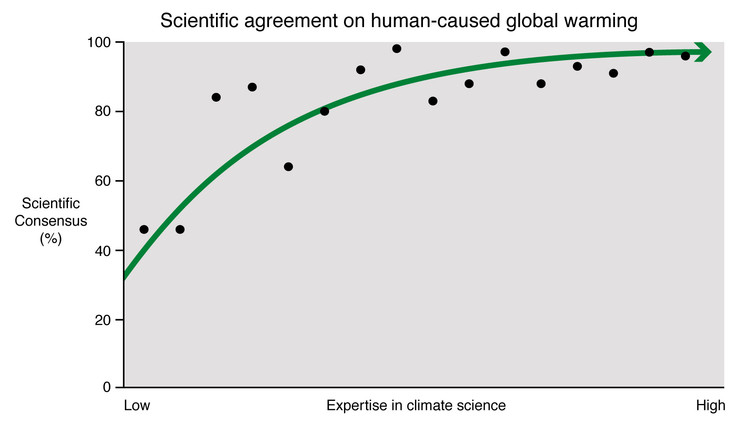
When we published a paper in 2013 finding 97% scientific consensus on human-caused global warming, what surprised me was how surprised everyone was.

Ours wasn’t the first study to find such a scientific consensus. Nor was it the second. Nor were we the last.