In an experiment, 221 college students in an online chat room watched a fellow student get "bullied" right before their eyes but only 10 percent did something about it, either by helping the victim or confronting the bully.
Even in the safe online world, modern young people are less inclined than ever to get involved. Using the online equivalent of taking a picture of a victim rather than helping, 70 percent of participants who noticed the bullying gave the bully or the chat room a bad review. For the experiment, the undergraduate students were led to believe they would be testing an online chat support feature that was part of a server used for online research surveys and studies.

You often see demonstrations of titration using an expensive glass burette, but you can build titration lab ware using a disposable serological pipette, a solder sucker bulb, and a ring stand or support stand. For this build I’m using the
tripod stand from the Thames and Kosmos Chem C3000 chemistry set.
Titration is the process of determining the unknown concentration of a solution by adding a known amount of a solution with a known concentration.
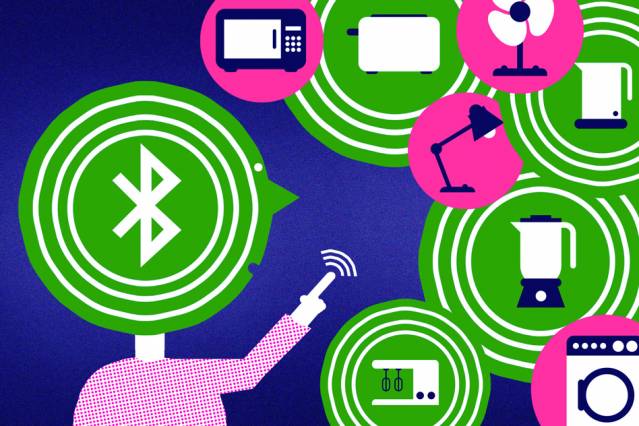
The Internet of Things is Web 2.0 of 2004 or Big Data of 2013 - a great buzzword that marketing groups are trying to exploit by rebranding what already exists. But the promise, the idea that everything in the human environment, from kitchen appliances to industrial equipment, could be equipped with sensors and processors that can exchange data, helping with maintenance and the coordination of tasks, is real.
Yet there is a huge barrier, in a world that would like to reduce greenhouse gases without actually embracing energy that produces no greenhouse gases, like nuclear science - the energy drain of the off-state power, the leakage power, of all those transmitters that are just idling much of the time.
Tumors require blood to emerge and spread. That is why scientists at The University of Texas MD Anderson Cancer Center believe that targeting blood vessel cells known as pericytes may offer a potential new therapeutic approach when combined with vascular growth factors responsible for cell death.
A study lead by Valerie LeBleu, Ph.D., assistant professor, Department of Cancer Biology at MD Anderson, looked at how cellular signaling by vascular growth factors called angiopoietin-2 (ANG2), when combined with depletion of pericytes, may decrease breast cancer tumor growth that spreads to the lungs. Targeting pericytes and ANG2 signaling may also offer new potential therapy options for treatment of some breast cancers.

Do you care where the food you buy comes from?
amy,
CC BY-NCThe public reaction to the Hepatitis A scare linked to contaminated frozen berries imported from China continues.
The discovery, development and approval of new drug treatments has been stymied. Bureaucracy, coupled with a short patent window and attorneys waiting to pounce, has led to increased interest in vaccines, which require a separate litigation process than just filing a lawsuit and collecting a settlement, or obscure diseases guaranteed to have high payouts - the home run strategy.
And the when the public is not reading about how an FDA-approved drug hurt someone, or reading how drug companies are paying off doctors to get prescriptions, they want every new drug to be generic the moment it is developed. Small wonder small molecules are disappearing.
New evidence finds that the majority of infants at high-risk of developing an allergy to peanuts are protected from peanut allergy at age 5 years if they eat peanut frequently starting within the first 11 months of life.
A survey asking if people took a flu vaccine revealed some interesting statistics - if their physician specifically recommended it, they were far more likely to have gotten one and vaccination rates among African-Americans was a low 62 percent.
90 percent of patients received vaccination if their physician advocated for it compared to 58 percent of patients whose physician did not, the results showed. Vaccination rates in European-Americans were 93 percent and in Asian-Americans 84 percent. Vaccination rates were 4X higher among patients who believed vaccination protected them than those who thought otherwise.
Just about everyone
in the developed world
has taken an antibiotic to treat a bacterial infection and the instructions are well-known; don't stop after you start to feel better, even though you know they are killing machines.
Yet the picture may be more complex, according to a new paper, and it might change our understanding of why bacteria produce antibiotics in the first place.
"For a long time we've thought that bacteria make antibiotics for the same reasons that we love them - because they kill other bacteria," said Elizabeth Shank, an assistant professor of biology at University of North Carolina at Chapel Hill. "However, we've also known that antibiotics can sometimes have pesky side-effects, like stimulating biofilm formation."