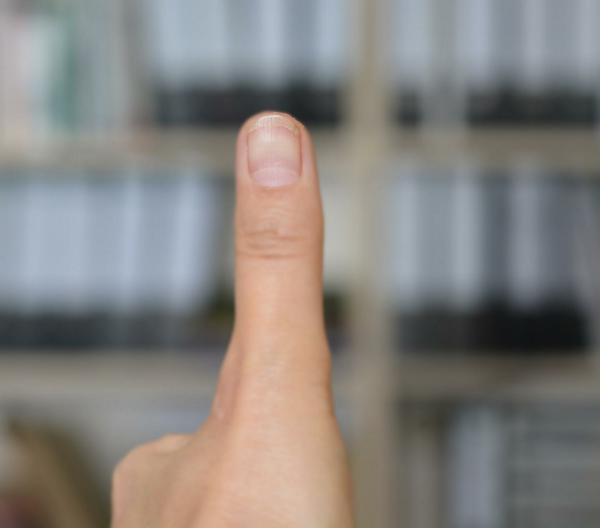






We assume that we can see the world around us in sharp detail but our eyes only process a fraction of our surroundings precisely.

In a series of experiments, psychologists at Bielefeld University investigated how the brain fools us into believing that we see in sharp detail. They find that our nervous system uses past visual experiences to predict how blurred objects would look in sharp detail.

Its central finding is that our nervous system uses past visual experiences to predict how blurred objects would look in sharp detail.


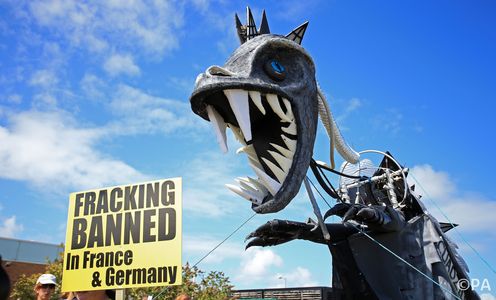
Better get our heads out of the sand and run. Credit: Peter Byrne/PA

By Erik Bichard, University of Salford

The consistent message from those who would seek to exploit shale gas is that it has three distinct advantages over existing forms of fossil fuel energy: it is cheap, it has a lower influence on global warming, and it reduces the reliance in foreign imports.

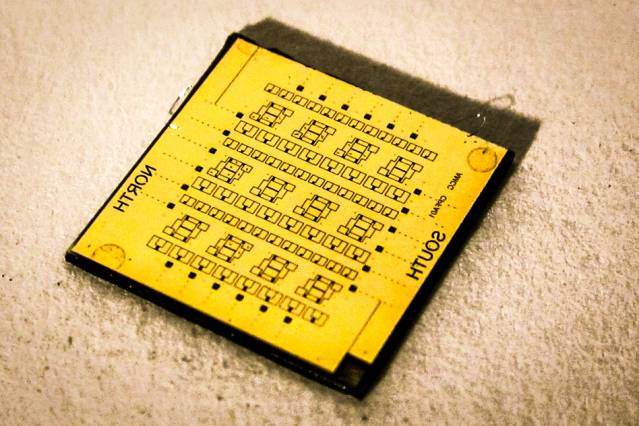
Computer chips with superconducting circuits would be 50 to 100 times as energy-efficient as today's chips due to a lack of electrical resistance.

That means less heat, less deformation and less energy cost.

Superconducting chips also promise greater processing power. Superconducting circuits that use so-called Josephson junctions have been clocked at 770 gigahertz, or 500 times the speed of the chip in the iPhone 6.


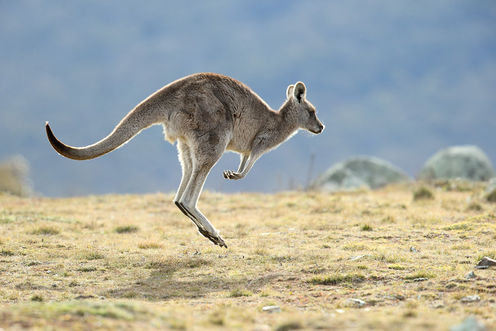
Modern day kangaroos exhibit a hopping form of locomotion. Credit: Leo/Flickr, CC BY-SA

By Christine Janis, Brown University

Extinct giant kangaroos may have been built more for walking, rather than hopping like today’s kangaroos, especially when moving slowly.

DNA analysis has become increasingly cost-effective since the human genome was first fully sequenced in the year 2001.

Sequencing a complete genome, however, still costs around $1,000 each so sequencing the genetic code of 100s of individuals would be expensive. For non-human studies, researchers very quickly hit the limit of financial feasibility.  

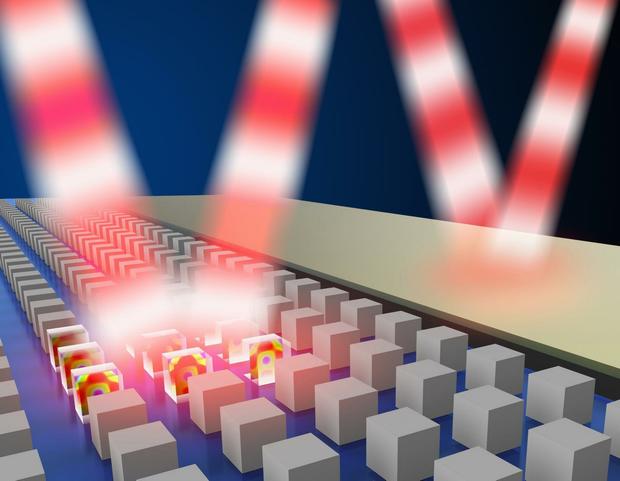
In Lewis Carroll's Through the Looking-Glass, and What Alice Found There, the 1871 sequel to Alice's Adventures in Wonderland, the title character finds a mirror that behaves in a surprising and unexpected way.
 
Now bizarre mirrors have become a reality.

In an Optica report, scientists have demonstrated, for the first time, a new class of mirror that works like no other
- it forgoes a familiar shiny metallic surface and instead reflects infrared light by using an unusual magnetic property of a non-metallic metamaterial.  


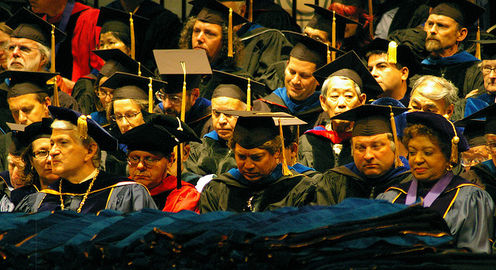
If you've ever felt as though professors treat you with less than respect, you're probably not alone. Credit: Flickr, CC BY-SA

By Brian Martin, University of Wollongong and Majken Jul Sørensen, University of Wollongong

A female engineering student walked into her first lab class. One of the male students said, “The cookery class is in another room.”

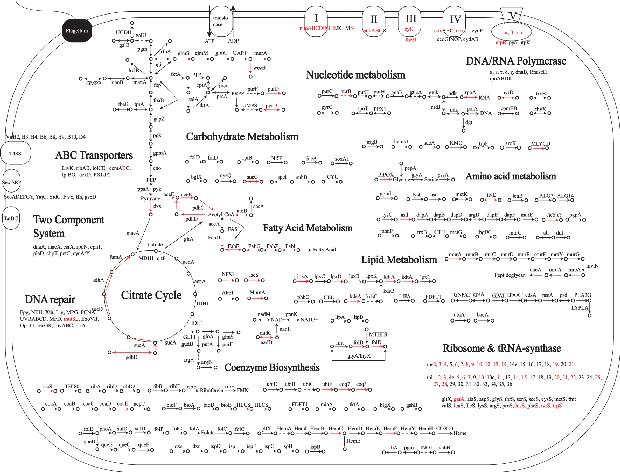
Parasitic bacteria were the first cousins of mitochondria, the energy factories in our cells – and first acted as energy parasites in those cells before becoming beneficial, according to a University of Virginia study that used next-generation DNA sequencing technologies to decode the genomes of 18 bacteria that are close relatives of mitochondria.


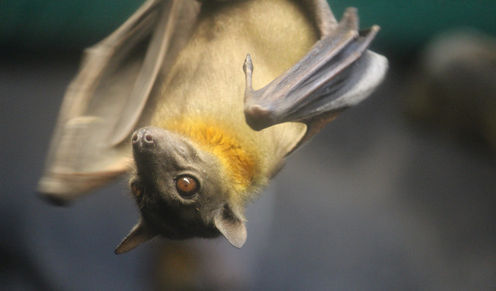
Credit: Diana Ranslam, CC BY-NC

By Alexandra Kamins, Colorado Hospital Association; Marcus Rowcliffe, Zoological Society of London, and Olivier Restif, University of Cambridge

Soda consumption has been linked to obesity but a new study
in the American Journal of Public Health links it to disease independent from its role in fat.

The paper finds that telomeres, the protective units of DNA that cap the ends of chromosomes in cells, were shorter in the white blood cells of survey participants who reported drinking more soda. The length of telomeres within white blood cells — where it can most easily be measured — has previously been associated with human lifespan. Short telomeres also have been associated with the development of chronic diseases of aging, including heart disease, diabetes, and some types of cancer so the link is still circumstantial.

