



Myths about the brain are common among teachers worldwide and are hampering teaching, according to new research which presented teachers in the UK, Holland, Turkey, Greece and China with seven 'neuromyths' and then asked whether they believe them to be true.

Over 25% of teachers in the UK and Turkey believe a student's brain would shrink if they drank less than six to eight glasses of water a day, while 50% of those surveyed believe we only use  10% of our brains and that children are less attentive after sugary drinks and snacks.

Over 70% of teachers in all countries wrongly believe a student is either left-brained or right-brained, peaking at 91% in the UK.

There's just no substitute for a dead body.

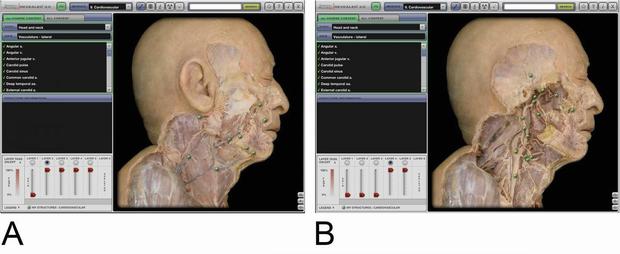
Computer teaching is all the rage and simulation can do many things, but when it comes to anatomy, students learn much better through the traditional use of human cadavers.

Cary Roseth, psychologist at Michigan State University, said the paper suggests cadaver-based instruction should continue in undergraduate human anatomy, a gateway course to medical school, nursing and other health and medical fields.

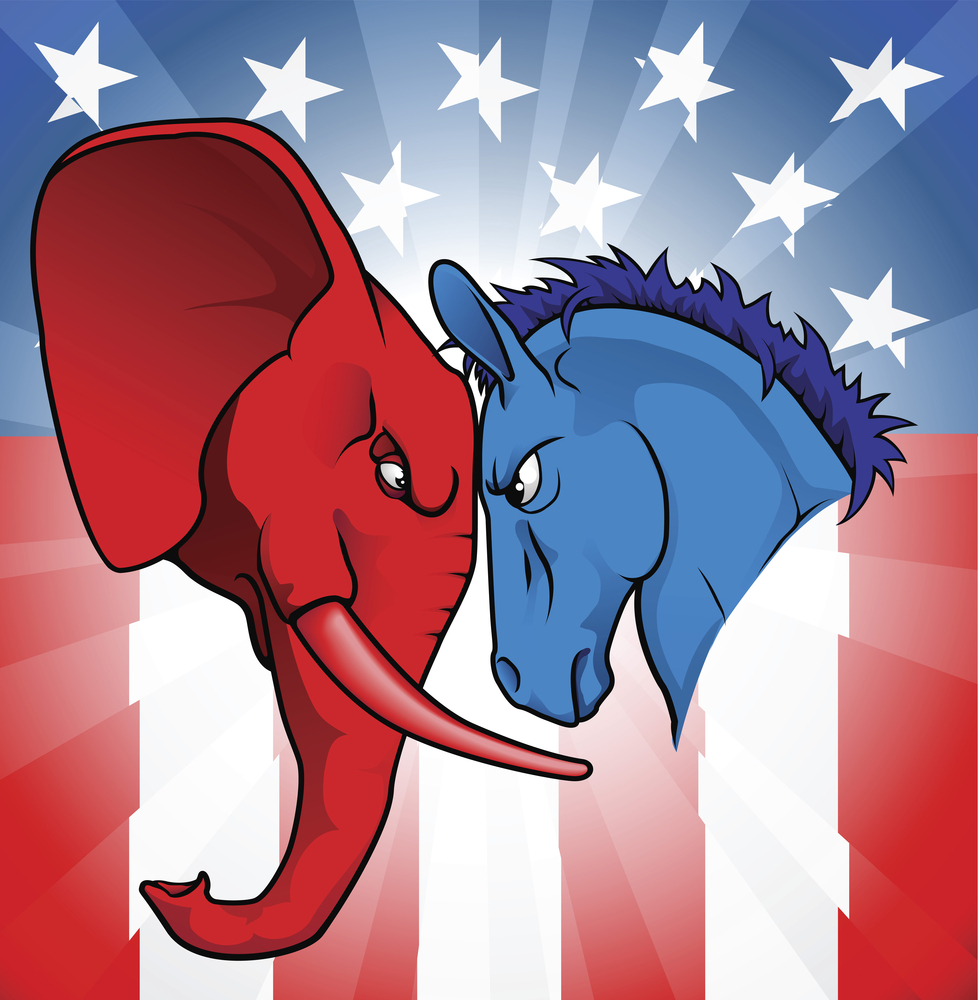
Science Left Behind, a book I co-authored in 2012 with Dr. Alex Berezow, covered the ways that anti-science beliefs had become mainstream among political progressives in the United States. 

It addressed dozens of topics but the three biggest ones denied by progressives (along with a few fellow liberals and Democrats) were the findings that anti-vaccine, anti-biology and anti-energy science positions were overwhelmingly left.

Intuitive processes may underlie decisions of those who help others while risking their own lives. Credit: AAresTT/Shutterstock

By Penny Orbell, The Conversation

If you noticed a person in grave danger would you act first and think later in order to save them? New research suggests people who put their own lives in danger to help others make the decision to do so without a second thought.

Human bathroom walls contain messages that are wonderfully informative about our modern condition - they can tell you who to call if you have an evolutionary mandate to procreate or even notify you that someone else once peed in the same spot.

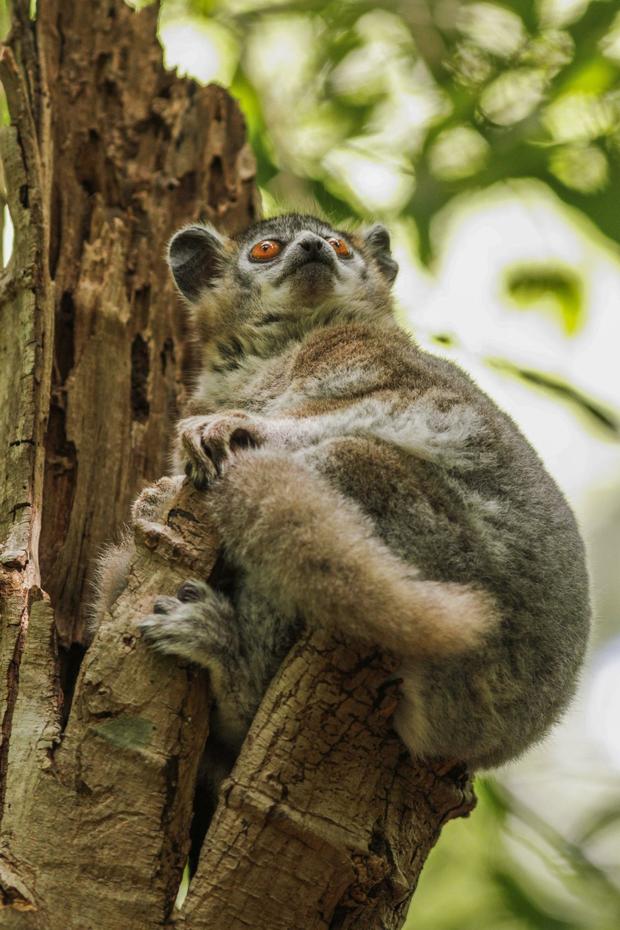
White-footed sportive lemurs learn a lot about each other due to bathrooms also. Only instead of writing on the walls, they use scent-marks to communicate with their own kind. A study published online in Behavioral Ecology and Sociobiology by Iris Dröscher and Peter Kappeler from the German Primate Center (DPZ) found that the urine left on latrine trees serves as a method to maintain contact with family members. It also serves as a means to inform an intruder that there is a male that will defend his partner.

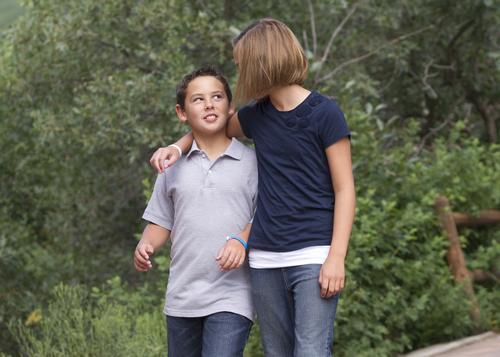
In modern culture, boys are often slighted; girls get billions devoted to their welfare while boys are the default excuse for whatever is wrong. Almost every television show that has a tough woman has her disclaiming, 'I grew up in a house full of boys', which is insulting to both girls and boys.

And that public relations has worked. Boys in surveys increasingly feel like peer relationships are less valuable. But new surveys show that may be not so; while sisters claim to benefit from having boys as siblings, boys also seem to benefit from being siblings. That means even if boys are positive socially, someone else gets the credit.

In America, the cost of health care is not high just because the medicine is the best in the world, it is also because of lawsuits.

Due to judgments in court cases that have earned tens of millions of dollars for lawyers - one aggressive lawyer demonized hospitals for not doing enough caesarian-sections and earned enough money to become a Senator and then a Vice-Presidential contender in 2004 - hospitals and offices have instituted a 'defense medicine' policy; even if there is no doubt, there is a protocol in place that says a number of tests must be run so that all of the boxes can be checked in case something goes wrong and attorneys swoop in. Coupled with malpractice costs, the costs of unnecessary testing can be quite high.

The Hubble Space Telescope has uncovered three Kuiper Belt objects that the New Horizons spacecraft could potentially visit after doing a fly-by of Pluto in July 2015.

The Kuiper Belt is a vast rim of primordial debris encircling our solar system. KBOs belong to a unique class of solar system objects that has never been visited by spacecraft and which contain clues to the origin of our solar system.

The Kuiper Belt objects are each about 10 times larger than typical comets, 1 to 2 percent of the size of Pluto. Unlike asteroids, Kuiper Belt objects have not been heated by the sun and are thought to represent a pristine, well preserved deep-freeze sample of what the outer solar system was like following its birth 4.6 billion years ago. 

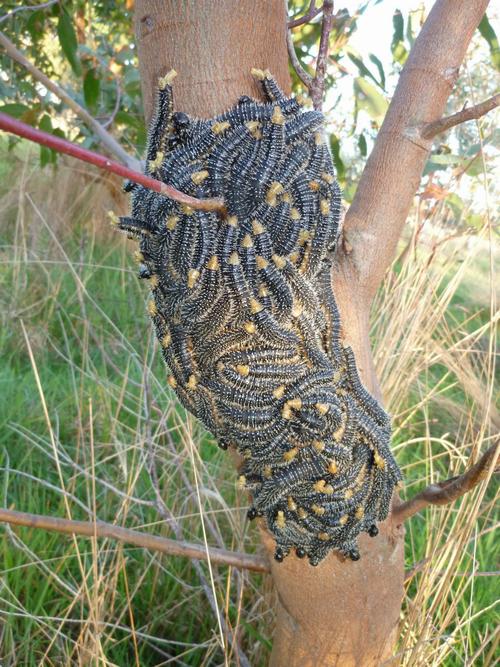
Not every human can be a great leader but not everyone is made to follow either. This has been shown to apply to elsewhere in the animal kingdom as well: insect larvae follow a leader to forage for food, both leaders and followers benefit, growing much faster than if they are in a group of only leaders or only followers, according to a new study.

The research looked at larvae of the iconic Australian steel-blue sawfly Perga affinis often known as 'spitfires'. Sawfly larvae can grow to 7 centimeters long and forage nocturnally in Australian Eucalyptus trees, forming large groups that can strip all of the leaves from a tree in a few days.

