



If good things come in small packages, then nanoparticles are going to make engineers very happy.

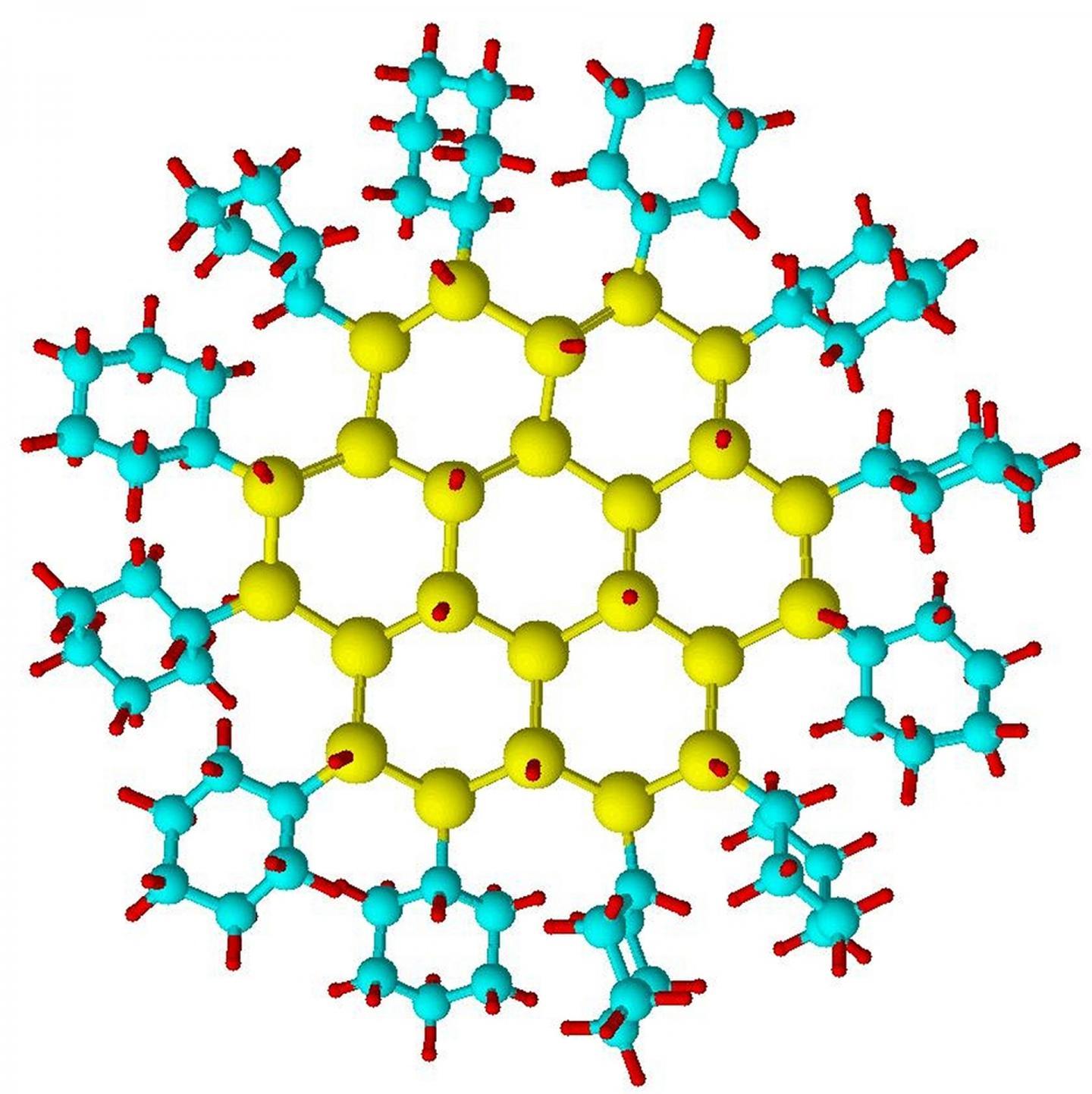
The National Institute of Standards and Technology (NIST) recently issued Reference Material (RM) 8027, the smallest known reference material ever created for validating measurements of these man-made, ultra-fine particles between 1 and 100 nanometers (billionths of a meter) in size.


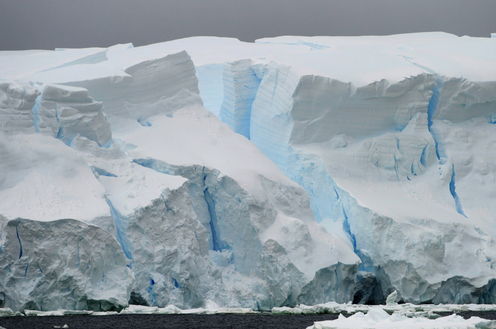
It may already be too late to stop Antarctic ice sliding into the ocean. Credit: EPA

By Eelco Rohling, University of Southampton

Ice sheets respond slowly to changes in climate, because they are so massive that they themselves dominate the climate conditions over and around them. But once they start flowing faster towards the shore and melting into the ocean the process takes centuries to reverse. Ice sheets are nature’s freight trains: tough to start moving, even harder to stop.

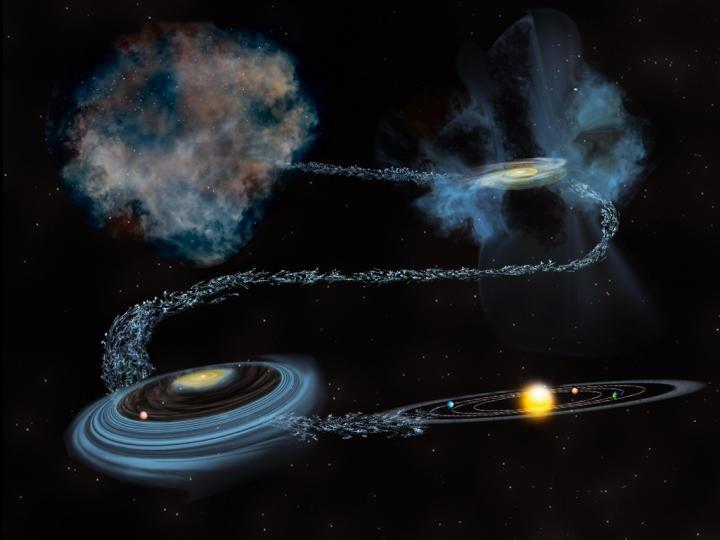
It's no surprise that water was crucial to the formation of life on Earth. What may surprise you is that water on earth is older than the sun itself.

Identifying the original source of Earth's water is key to understanding how life-fostering environments came into being and how likely they are to be found elsewhere. A new paper in Science says that much of our Solar System's water likely originated as ices that formed in interstellar space. Water is found throughout the Solar System, not just on Earth; on icy comets and moons, and in the shadowed basins of Mercury and in mineral samples from meteorites, the Moon, and Mars. 

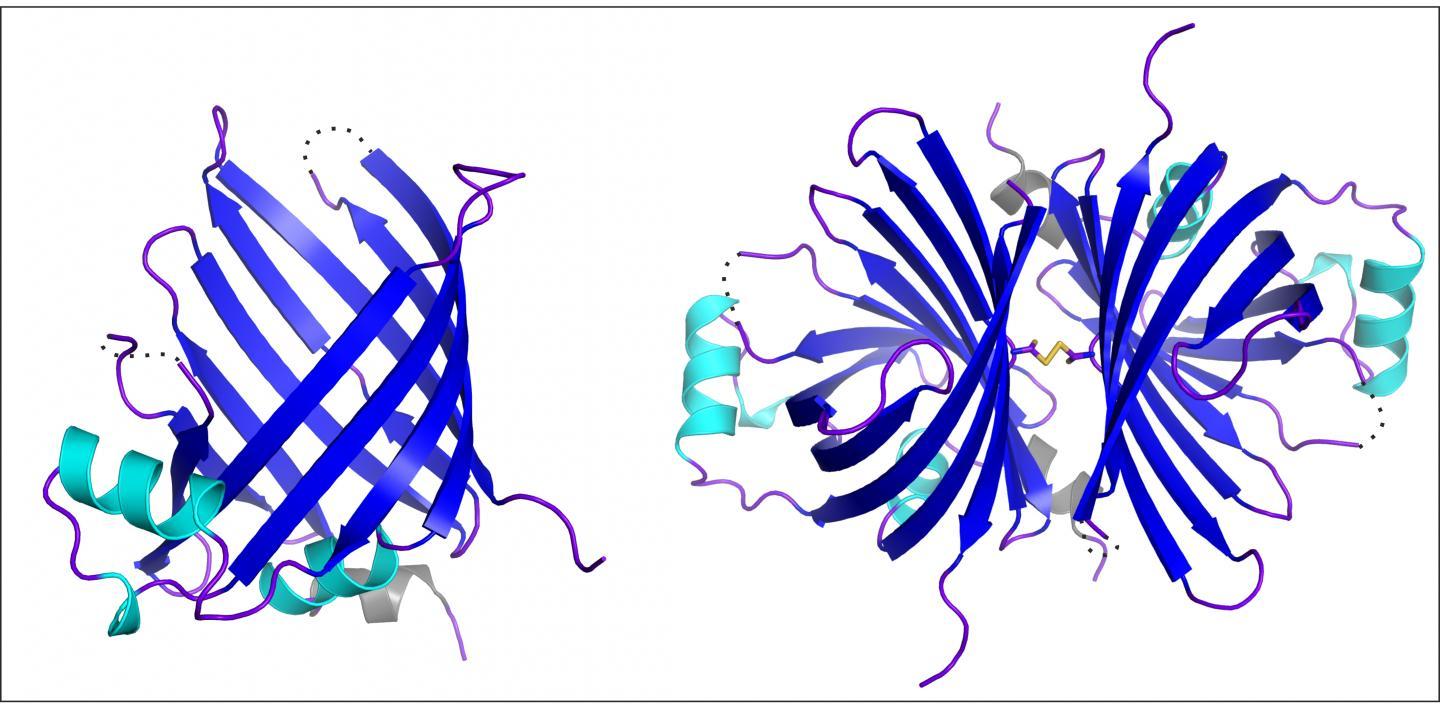
A team of researchers headed by Prof Dr. Nicole Frankenberg-Dinkel at Ruhr-University Bochum have revealed similarities and differences in the assembly of the light-harvesting machinery of the cryptophyte Guillardia theta compared to cyanobacteria and red algae.

Cryptophytes: Matryoshka dolls of the waters

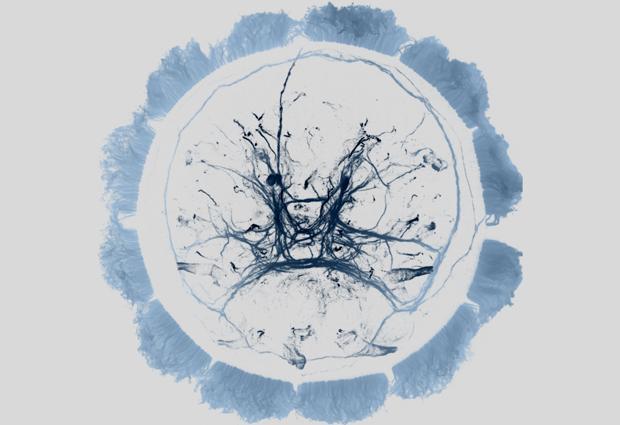
Melatonin, a hormone that governs sleep and jet lag in humans, may also drive the mass migration of plankton in the ocean, according to a report by scientists at the European Molecular Biology Laboratory (EMBL) in Heidelberg. 

Melatonin, is essential to maintain our daily rhythm, and the scientists have now discovered that it governs the nightly migration of a plankton species from the surface to deeper waters. The findings, published online today in Cell, indicate that melatonin's role in controlling daily rhythms probably evolved early in the history of animals, and hold hints to how our sleep patterns may have evolved.

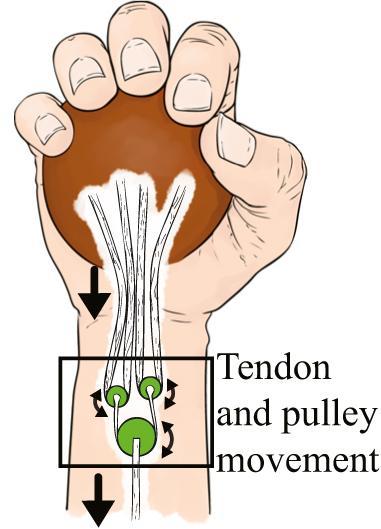
Engineers have developed and successfully demonstrated the value of a simple pulley mechanism to improve hand function after surgery. The device, tested in cadaver hands, is one of the first instruments ever created that could improve the transmission of mechanical forces and movement while implanted inside the body.

After continued research, technology such as this may offer new options to people who have lost the use of their hands due to nerve trauma, and ultimately be expanded to improve function of a wide range of damaged joints in the human body.

Neurons programmed to fire at specific faces, such as the famously reported "Jennifer Aniston neuron", may be more in line with the conscious recognition of faces than the actual images seen.

In an experiment, subjects presented with a blended face, such as an amalgamation of Bill Clinton and George W. Bush, had significantly more firing of such face-specific neurons when they recognized the blended or morphed face as one person or the other. 

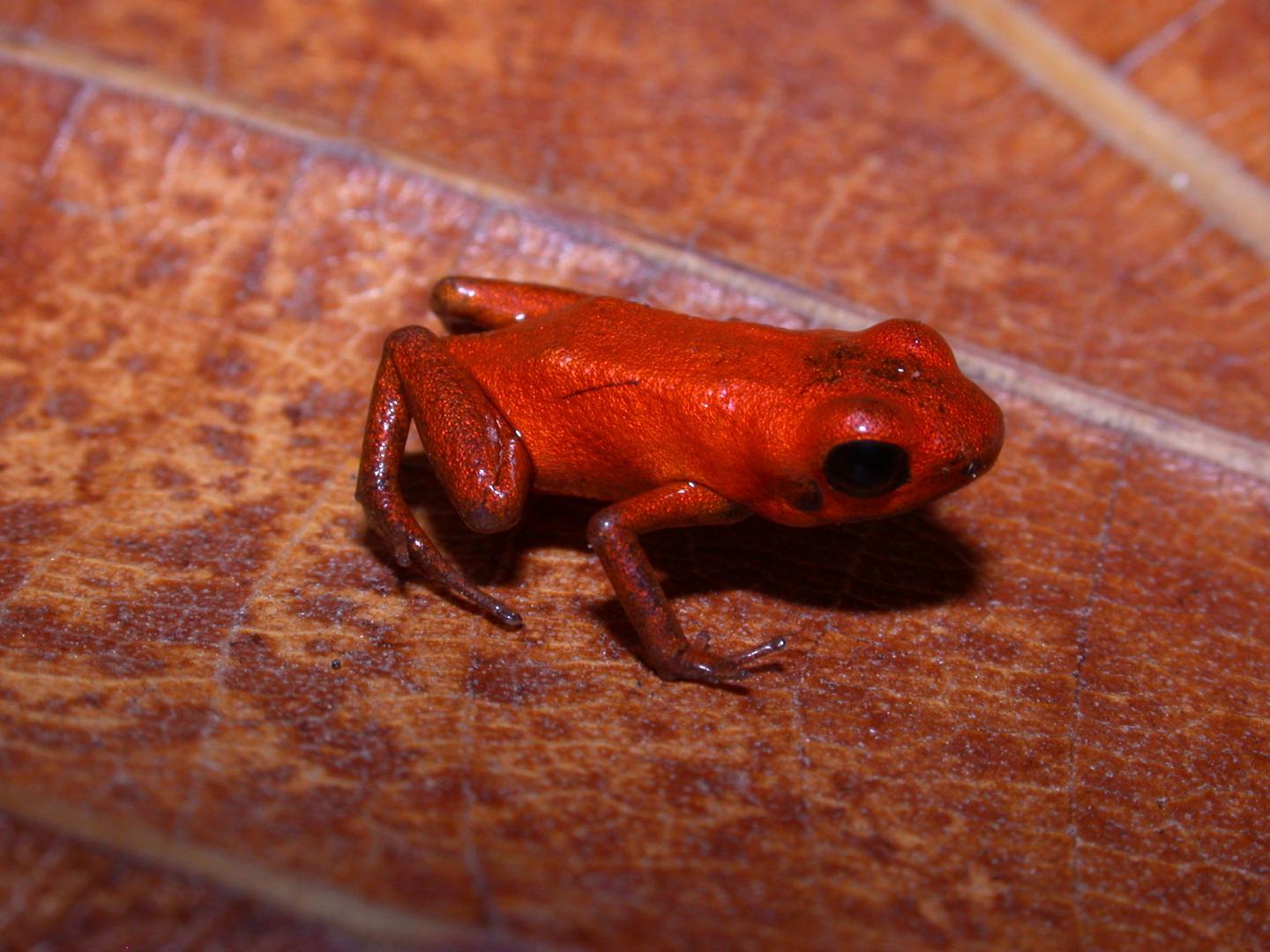
A bright orange poison dart frog with a unique call was discovered in Donoso, Panama, and described by researchers from the Smithsonian Tropical Research Institute and the Universidad Autónoma de Chiriquí in Panama, and the Universidad de los Andes in Colombia.

Andinobates geminisae is named for Geminis Vargas, "the beloved wife of [coauthor] Marcos Ponce, for her unconditional support of his studies of Panamanian herpetology." 

Astronomers have discovered an unusual carbon-based molecule – one with a branched structure – contained within a giant gas cloud in interstellar space -  27,000 light years away. Like finding a molecular needle in a cosmic haystack, astronomers have detected radio waves emitted by isopropyl cyanide. The discovery suggests that the complex molecules needed for life may have their origins in interstellar space.

Using the Atacama Large Millimeter/submillimeter Array (ALMA), researchers studied the gaseous star-forming region Sagittarius B2.

A review in the Journal of Animal Science has found that feeding livestock diets containing genetically engineered crops has no impact on the health or productivity of those animals.

The article documents 30 years worth of livestock-feeding studies, representing more than 100 billion animals, finding that the performance and health of food-producing animals fed GE crops are comparable with those of animals fed non-GE crops. 

Since their introduction in 1996, GE feed crops have become an increasing component of livestock diets. Today, more than 95 percent of U.S. food-producing animals consume feed containing GE crops. Studies that involve feeding GE crops to livestock are used to evaluate the safety of these crops.

