
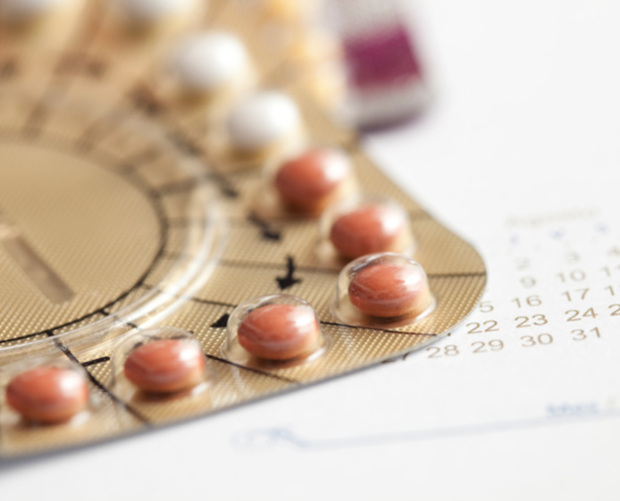
 It has been 13 years since the publication of the Women’s Health Initiative (WHI) studies that examined the role of menopausal hormone replacement therapy (HRT) in prevention of cardiovascular disease. It can be argued that never before or since has a medical study generated such controversy by the media and scientific community.
 Most of us would choose to experience pleasure – however we may define it – as often as possible. The public health and criminal justice systems are set up by the government partly to shape how, when and where we find pleasure, so that we balance our enjoyment with working and paying taxes.





 For children with autism, early intervention is critical. Therapies and education – especially in the first two years of life – can facilitate a child’s social development, reduce familial stress and ultimately improve quality of life.
Know Science And Want To Write?
Apply for a column: writing@science20.com
Donate or Buy SWAG
Please donate so science experts can write
for the public.
At Science 2.0, scientists are the journalists,
with no political bias or editorial control. We
can't do it alone so please make a difference.
We are a nonprofit science journalism
group operating under Section 501(c)(3)
of the Internal Revenue Code that's
educated over 300 million people.
You can help with a tax-deductible
donation today and 100 percent of your
gift will go toward our programs,
no salaries or offices.

Interesting insights from outside Science 2.0


