








This past weekend, 2 billion Christians celebrated Easter, when Jesus was a martyr for the sins of man. The weekend before that, environmentalists celebrated ignorance, poverty, and backwardness under the name Earth Hour, and they wondered why more people did not help them crash the grid to save the world.

There is one big reason.

Religion has no small amount of fear and blame and, if you are Catholic, some guilt. Environmentalism has those also yet they don't have 5 billion members the way religion does because they lack the one important thing: Religion offers salvation along with the guilt.
The Anzac landings at Gallipoli in April 1915 marked the beginning of another instance of conflict in the war-rich region's history.

There are few geographical areas that have seen as much military action as the Gallipoli region, the site of the Australian and New Zealand Army Corp (ANZAC) landings in 1915. 

The conflicts in the region include some of the most renowned wars from Greek antiquity.

Patients with chronic kidney disease may be treated with a class of medications called Renin Angiotensin Aldosterone System inhibitors (RAASI's) but though they protect the heart and kidney, a significant percentage of patients develop a dangerous side effect; high potassium levels in the blood, a condition known as hyperkalemia. 

Elevated potassium puts patients at risk of death from cardiac arrhythmias. Lacking a drug to treat the problem, doctors either stop these beneficial drugs or may use kidney dialysis to quickly lower the potassium.

A short burst of intensive exercise before eating a high-fat meal is better for blood vessel function than the currently recommended moderate-intensity exercise, at least in young people.

Cardiovascular diseases including heart attacks and stroke are a leading cause of death and the process underlying these diseases start in youth. An impairment in the function of blood vessels is thought to be the earliest event in this process, and this is known to occur in the hours after consuming a high fat meal. 

With each new amyloid-targeting treatment for Alzheimer's disease that has been developed, there has been a corresponding concern about antibodies targeting amyloid-β peptide (Aβ) producing inflammation in the brain in some patients.

Gamma secretase inhibitors tend to produce adverse effects by interacting with Notch, an important pathway for cellular signaling. 

Jonas the lemur defied his small size by living to the age of 29. David Haring, Duke Lemur Center

When Jonas the fat-tailed dwarf lemur died recently in captivity at the ripe age of 29 years, he was the oldest known of his species. But Jonas not only outlasted members of closely related lemur species held in captivity; he also lived much longer than science would predict based on his small size.

A new study has examined why beavers don't get tooth decay even though they don't brush their teeth or drink fluoridated water.
Thousands of years ago, Aristotle knew that some mushrooms glowed, so it is no surprise the great thinker wondered why.

Science may finally have an answer for his question. 

A new study posits that the light emitted from those fungi attracts the attention of insects, including beetles, flies, wasps, and ants. Those insect visitors are apparently good for the fungi because they spread the fungal spores around. The new study also shows that the mushrooms' bioluminescence is under the control of the circadian clock. In fact, it was that discovery that led the researchers to suspect that the mushrooms' light must serve some useful purpose.

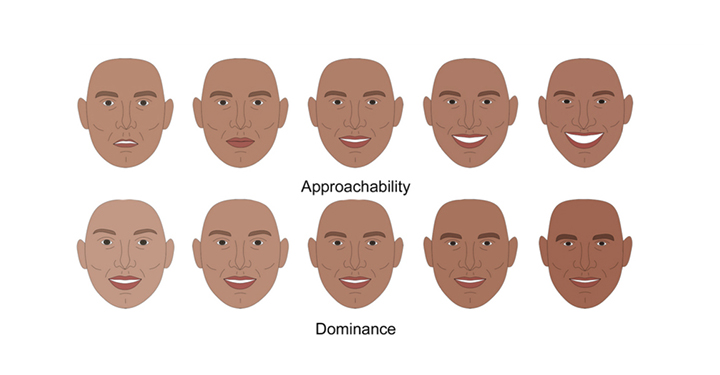
A  recent paper discusses shows how rapidly formed first impressions that influence our subsequent behavior towards that person can be accurately predicted based on the physical features found in everyday images of faces, such as those found on social media.

The impressions we create through such images are important in a world where we increasingly get to know one another online rather than in the flesh. 

Middle East Respiratory Syndrome (MERS), which emerged in humans last year in the Saudi Arabian peninsula, causes severe respiratory disease, with a mortality rate of 35 percent. No specific therapy is currently available. 

Passive immunization, a procedure where you inject a former patient's antibodies into a new patient to fight the disease, has been used in the past, including last year in a small number of cases of Ebola, but in the case of MERS, few former patients are available to donate antibodies. Additionally, their antibody titers are often too low, and many former patients are not healthy enough to donate.

