What do diamonds and chocolate have in common? Well, urban legend says girls love them both. Maybe we can add volcanoes if we are using correlational woo.
A previously unrecognized volcanic process similar to one used in chocolate manufacturing is important in the dynamics of volcanic eruptions. 'Fluidised spray granulation' is a type of gas injection and spraying process used to form smooth coatings on confectionaries but it can also occur during kimberlite eruptions to produce well-rounded particles containing fragments from the Earth's mantle - most notably diamonds.
End-of-year academic stress getting you down? Here’s a spirit-lifting tip: Open your browser and Google “Heartland billboard.”
You’ll quickly find The Heartland Institute’s latest propaganda piece: a mugshot of Ted Kaczynski next to the words, “I still believe in Global Warming. Do you?” Heartland’s not-so-subtle subtext: If you think the climate is changing, you’re no better than terrorists like the Unabomber.
The billboard, which appeared alongside a Chicago highway, was the first in a series that, Heartland said, would have included other standout characters like Osama bin Laden and Charles Manson.
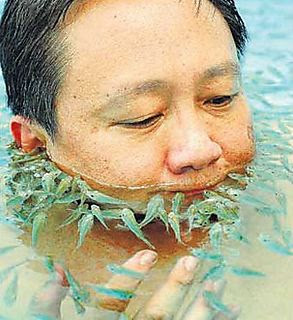
Garra rufa - "doctor fish' - are now trendy in some fish pedicure places. The pedicuree dips their feet (see? I don't specify a gender or make any judgments, I am not Manny Pacquiao) into water containing the fish and the little critters exfoliate you by basically eating the dead skin from your toes.
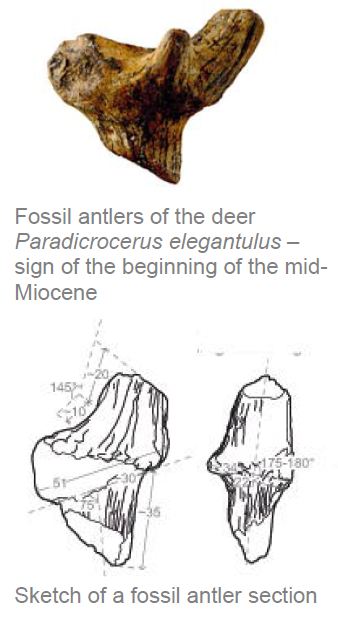
Based on new fossil evidence, the age of the Rhine river is five million years older than previously believed.
The famous Rhine of song and legend flows through Switzerland, Austria, Germany and the Netherlands on its way to the North Sea. The catchment area of the Rhine, around 1,200 kilometers of it, draws from Luxembourg, Belgium, France, Lichtenstein and Italy. As widely known as the river is, its original age has remained a science puzzle.
Men are generally more reluctant to try vegetarian products and a new study in the Journal of Consumer Research says that is influenced by a strong association of meat with masculinity.
"We examined whether people in Western cultures have a metaphoric link between meat and men" write the authors. And they concluded there was a strong cultural connection to meat - especially muscle meat, like steak.
Evolutionary psychologists would likely disagree, as do unbiased dietary scientists.
Perhaps it was the title:
‘Acquired preferences for piquant foods by chimpanzees.’ but whatever the reason,
Paul Rozin, Professor of Psychology at the University of Pennsylvania, found it very difficult to get his research paper published.
The work had been inspired by observations the professor had made whilst in Mexico, when he noticed that -
“…virtually everyone in a Mexican village over 5 or 6 years of age liked the burn of chili pepper, but that none of the animals in the village showed a preference for it, even though they ate the pepper daily as they consumed the leftovers of the day in the garbage”
Around election season, in whatever country you are in (assuming you have elections) you can tell True Believers in their earnest politics truly wish the other side could be labeled as having defective brains and genetics and therefore be cured - or at least sterilized.
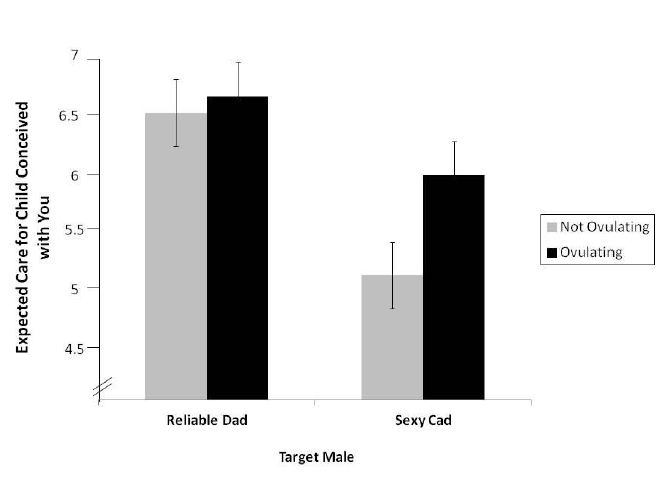
Females like the bad boys when they are young, we all know that colloquially - and even more so when they are ovulating, say a group of social and evolutionary psychologists.
A group of studies says that salmon raised in man-made hatcheries can harm wild salmon through competition for food and habitat. Salmon, which survived millions of years of evolution, are in danger from...salmon.
The studies provide new evidence that fast-growing hatchery fish compete with wild fish for food and habitat in the ocean as well as in the rivers where they return to spawn and even raises questions about whether the ocean can supply enough food to support future increases in hatchery fish while still sustaining wild salmon.
My very first mentor in cephalopod research was Eric Hochberg at the Santa Barbara Museum of Natural History. I think I was seventeen when he welcomed me into the museum's secret catacombs (at least, that's how I thought of them) of preserved specimens. Awe washed over me as I stared at shelves upon shelves of jarred octopuses.
Eric introduced me to the California pygmy octopus, Octopus micropyrsus, which would proceed to fascinate me for the rest of my undergraduate career. I saw more of them in jars than I ever did alive, though I kept doggedly digging through kelp holdfasts trying to find them. Reclusive little beasts.