
Enrollment of the first patients into STEADFAST (Single Trial Evaluating Alzheimer's Disease Following Addition to Symptomatic Therapy), vTv's Phase 3 placebo controlled trial of azeliragon, an oral antagonist of the Receptor for Advanced Glycation Endproducts (RAGE) for treatment of mild Alzheimer's disease has begun. Phase 3 begins following a Phase 2 trial that demonstrated positive results in slowing cognitive decline with 5 mg/day of azeliragon in patients with mild to moderate Alzheimer's Disease.

Phase 2b clinical trial results that demonstrated statistically significant and clinically meaningful improvement in IBS-C symptoms for tenapanor-treated patients compared to patients receiving placebo.

As previously reported, at the 50 mg dose of tenapanor, the study met its primary efficacy endpoint of an increase in the complete spontaneous bowel movement (CSBM) responder rate. Most secondary endpoints, including abdominal pain and other abdominal and IBS-C symptoms, demonstrated clinically meaningful improvements.

Tenapanor was well-tolerated, and the safety results were consistent with those observed in previous tenapanor trials.

Early Christian writers were fond of putting words into other people’s mouths.

When the apostle Paul (the theologian formerly known as Saul of Tarsus) wrote to the church in Corinth about a particularly significant religious experience, he informed them that his journey to the “third heaven” or “Paradise” resulted in his hearing “things that are not able to be told, that no mortal is permitted to speak”.

Children born since the 1980s are two to three times more likely than older generations to be overweight or obese by the age of 10, according to new research published in PLOS Medicine. The study, conducted by researchers from CLOSER, a consortium of UK longitudinal studies, characterized population shifts in body mass index (BMI) using data from more than 56,000 people born in Britain from 1946 to 2001.

Antibiotic-resistant bacteria are on the rise and they pose a global threat to public health. Common antibiotics are often ineffective in treating infectious diseases because pathogens acquire resistance genes. These antimicrobial resistance genes are obtained in different ways.

There are different explanations for how resistances are transferred and a now study found phages -
viruses that exclusively infect bacteria
- in chicken meat that are able to transfer antimicrobial resistance to bacteria.  Phages do not directly pose a risk to humans because they can only infect bacteria. No other cells or organisms can be infected.

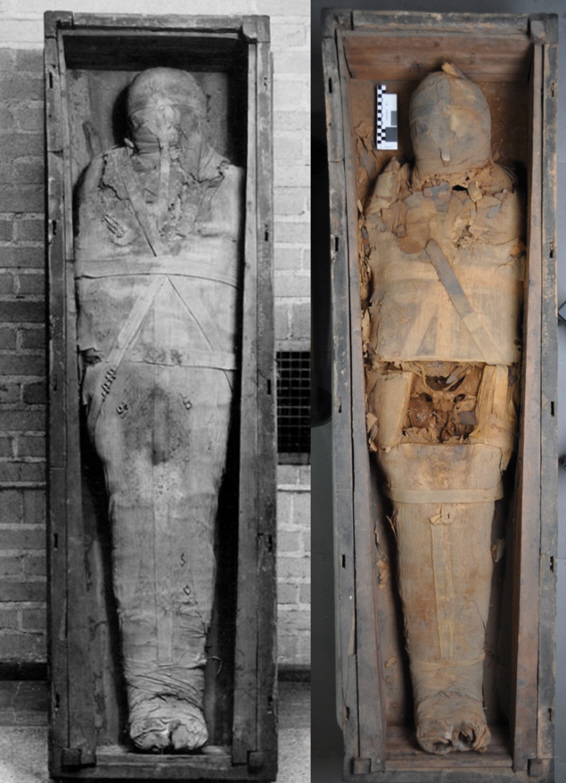
If you like mummies (and who doesn't like mummies?) you are in luck: The Anatomical Record has a special issue with 26 articles devoted to them, all open access. You may not leave the house this weekend.
A new survey finds that 87 percent of Americans look at the Nutrition Facts panel on packaged foods and beverages and 56 percent actively seek out nutritional information and guidelines.

67 percent favor groceries with fewer and simpler ingredients, while roughly the same percentage take nutritional content statements, ingredient-free statements, and statements about health benefits into consideration when buying packaged foods and beverages.

As is well known, food consumers who are buying for those reasons are vocal on social media, focus groups, consumer surveys, and even petitions. They say they want more transparency from the food and beverage industry and shunning artificial ingredients.
Many of us have a tipple on special occasions but including these drinks in official data has been found to increase England’s alcohol consumption by 12 million bottles of wine per week.

According to a new study published in BMC Medicine, alcohol consumption figures account for only 60% of alcohol sold in England, due to a discrepancy between self-reported consumption data and retail figures.

The new research has discovered where the missing alcohol can be found.

The U.S. Food and Drug Administration has approved Neupogen,  the first approved drug to treat the deleterious effects of radiation exposure following a nuclear incident. 
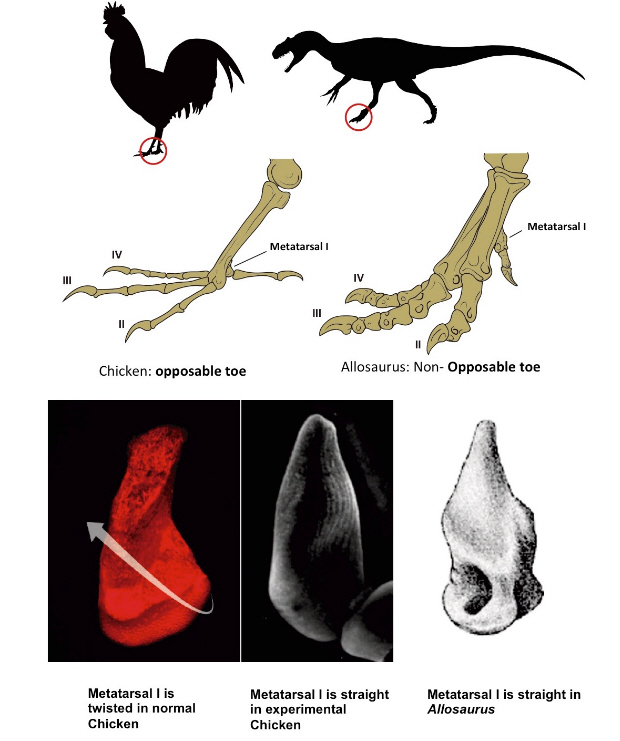
A unique adaptation in the foot of birds is the presence of a thumb-like opposable toe, which allows them to grasp and perch.

In their dinosaur ancestors, this toe was small and non- opposable, and did not even touch the ground, resembling the dewclaws of dogs and cats.

The embryonic development of birds provides a parallel of this evolutionary history: The toe starts out like their dinosaur ancestors, but then its base (the metatarsal) becomes twisted, making it opposable. Brazilian researcher Joâo Botelho, working at the lab of Alexander Vargas at the University of Chile, decided to study the underlying mechanisms. Botelho observed that the twisting occurred shortly after the embryonic musculature of this toe was in place.