





When it comes to sprint interval training, men have won the battle of the sexes, according to new research in The FASEB Journal.

A new study found that men create more new proteins as a result of sprint interval training than women do - but there is good news for both genders: men and women experienced similar increases in aerobic capacity.

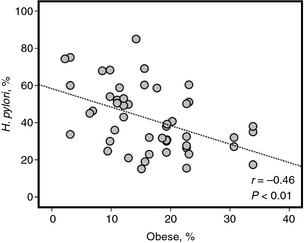
The germ Helicobacter pylori is the cause of most stomach ulcers, but a new review of the literature published in Alimentary Pharmacology&Therapeutics suggests that treating the bacteria is linked to weight gain.

A 21-year study of over 2,300 rivers in Britain measured the presence of clean-river invertebrates - a yardstick for river health –   and found they are the cleanest they've been in over two decades. During the days of heavy industry and poor sewage treatment,
clean-river invertebrates
had declined considerably, but now appear to be making a comeback, say scholars
from Cardiff University 

Dr. Ian Vaughan and Professor Steve Ormerod from the University's School of Biosciences analyzed changes in the occurrence and spread of insects, snails and other mini-beasts from major rivers between 1991 and 2011. The researchers then asked whether water quality, temperature or river flow best explained the biological changes they observed.

New research in the journal Sleep
and being presented Wednesday, June 4th in Minneapolis at SLEEP 2014 suggests that marijuana use is associated with impaired sleep quality.

Kim Stanley Robinson in his famous Trilogy Red, Green and Blue Mars describes a science fiction future with Mars changing colour to green and then to blue. But what also about snowball white after a failed terraforming attempt? Or, what about purple, or black (or darker in colour)? Perhaps you can think of other colours it could turn as well?

I thought this would be a great way to explore some of the complexities of planetary transformation, to imagine the possible future colours of Mars - depending on human actions, deliberate or accidental.

A new study in mice has shown that a previously developed male hormonal (testosterone) oral contraceptive method is unable to stop the production and / or the release of sperm.  

A group of researchers have erased memories in rats, profoundly altering the animals' reaction to past events. Then they put them back.

The study is the first to show the ability to selectively remove a memory and predictably reactivate it by stimulating nerves in the brain at frequencies that are known to weaken and strengthen the connections between nerve cells - synapses.

The scientists optically stimulated a group of nerves in a rat's brain that had been genetically modified to make them sensitive to light, and simultaneously delivered an electrical shock to the animal's foot. The rats soon learned to associate the optical nerve stimulation with pain and displayed fear behaviors when these nerves were stimulated.

New research reveals that bilingualism has a positive effect on cognition later in life. Findings published in Annals of Neurology, a journal of the American Neurological Association and Child Neurology Society, show that individuals who speak two or more languages, even those who acquired the second language in adulthood, may slow down cognitive decline from aging.

Like blonde hair? You can thank the Kit ligand gene.

A single-letter change in the genetic code is enough to generate blond hair in humans, according to a new analysis by Howard Hughes Medical Institute scientists which has pinpointed that change, common in the genomes of Northern Europeans.

A handful of genes likely determine hair color in humans and the precise molecular basis of the trait remains poorly understood, and discovery of the genetic hair-color switch didn't begin with a deep curiosity about golden locks. It began with fish.

Twenty years after the hormone leptin was found to regulate metabolism, appetite, and weight through brain cells called neurons, a new study in Nature Neuroscience says that the hormone also acts on other types of cells to control appetite.

Leptin, a naturally occurring hormone, is known for its hunger-blocking effect on the hypothalamus, a region in the brain. Food intake is influenced by signals that travel from the body to the brain. Leptin is one of the molecules that signal the brain to modulate food intake. It is produced in fat cells and informs the brain of the metabolic state. If animals are missing leptin, or the leptin receptor, they eat too much and become severely obese.

