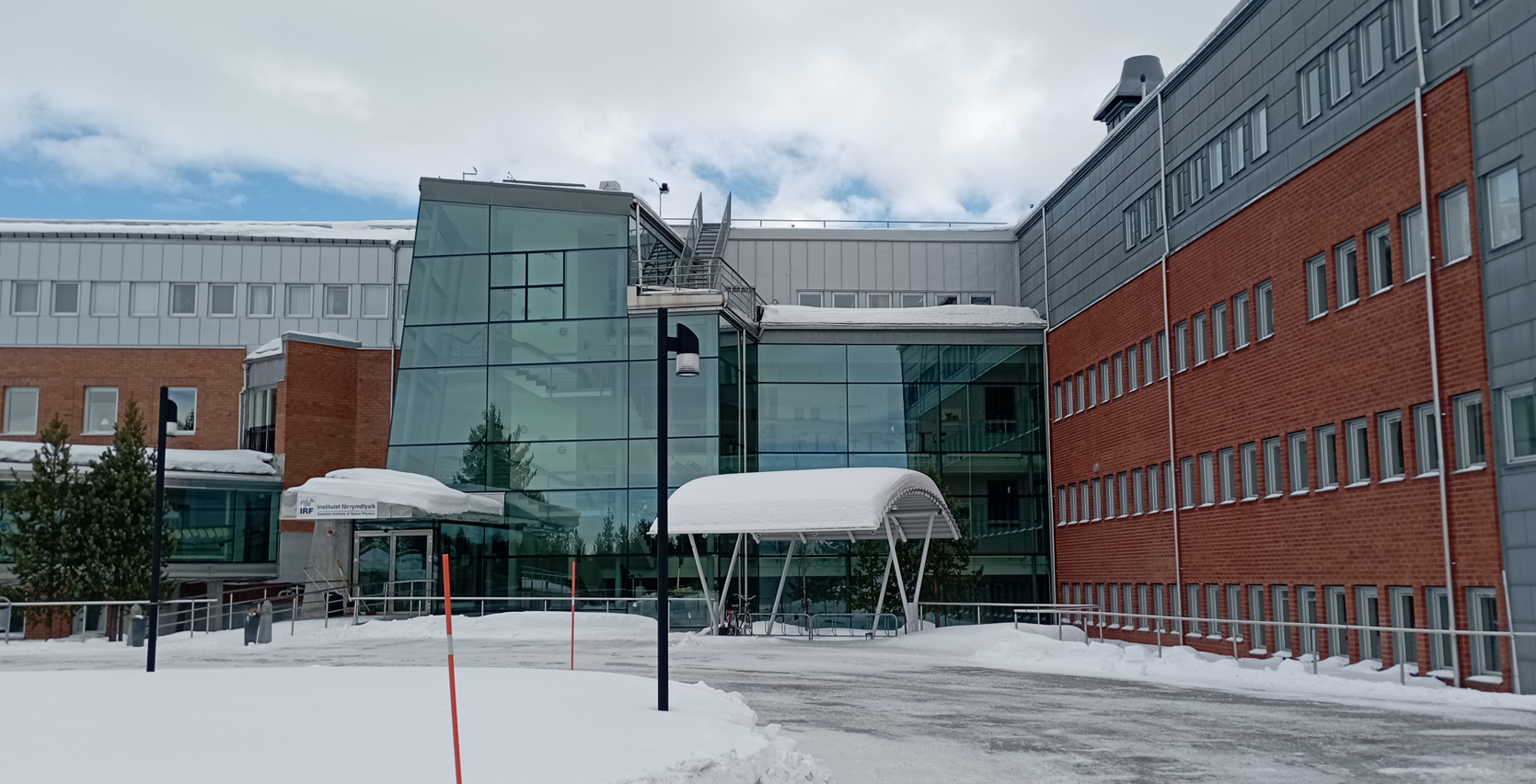





The Swedish Institute for Space Physics (IRF) is located in Kiruna, a minerary town close to the northern tip of Sweden, above the arctic polar circle. The Space Campus of Kiruna is one of three different centres - the IRF space lab, the EISCAT center, and the Lulea University of Technology department of Space Technology and Atmospheric Science. Close to the complex is the Esrange space center, a multipurpose launching base benefiting from a large unpopulated impact and recovery area.


Above: the IRF from the visitor parking
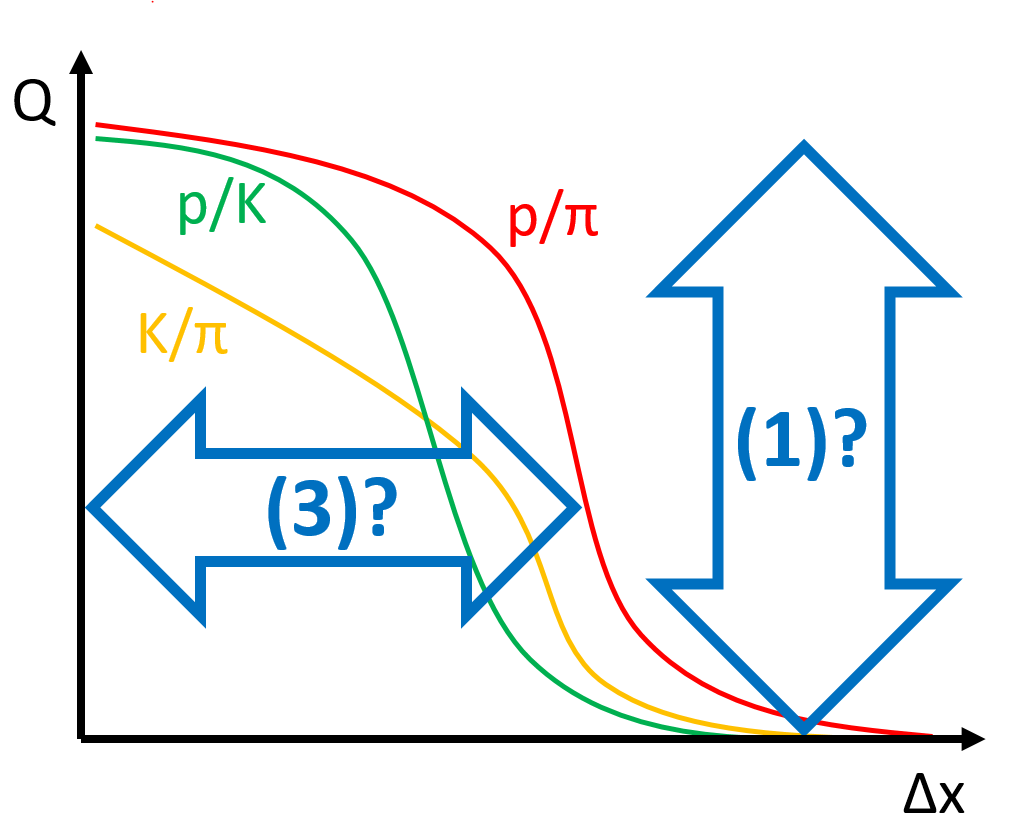
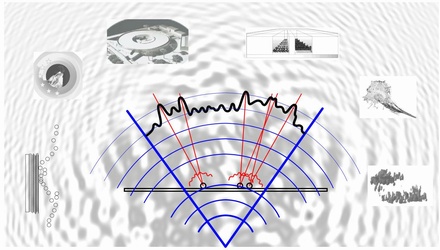
In the last couple of days I have been busy writing a project to explore the potential of artificial intelligence to extract more information from particle detectors. In fact, while the development of these instruments in the course of the past 80 years has closely followed, and sometimes been a driver, of technological developments, I can see the issue of a progressive mis-alignment of detector design with the ultimate potential and final goals of large experiments. That mis-alignment is due to the rapid evolution of deep learning tools. They have now become the real elephant in the room in this area of studies: an entity that is present, but that risks being ignored despite its enormous impact. 

For eight years I have studied digital nomadism, the millennial trend for working remotely from anywhere around the world. I am often asked if it is driving gentrification.

Before COVID upended the way we work, I would usually tell journalists that the numbers were too small for a definitive answer. Most digital nomads were traveling and working illegally on tourist visas. It was a niche phenomenon.

Three years into the pandemic, however, I am no longer sure. The most recent estimates put the number of digital nomads from the US alone, at 16.9 million, a staggering increase of 131% from the pre-pandemic year of 2019.

Scholars at Tel Aviv University have recorded and analyzed click-like sounds distinctly emitted by plants.

The sounds are similar to the popping of popcorn and emitted at a volume similar to human speech, but frequencies human ears don't detect. The researchers believe plants usually emit sounds when they are under stress, and that each plant and each type of stress is associated with a specific identifiable sound.

Though the frequency is too high for human ears, it is in the range detectable by bats, mice, and insects.

What would you do to get more likes or shares on your favorite social media platform this April Fool’s Day?

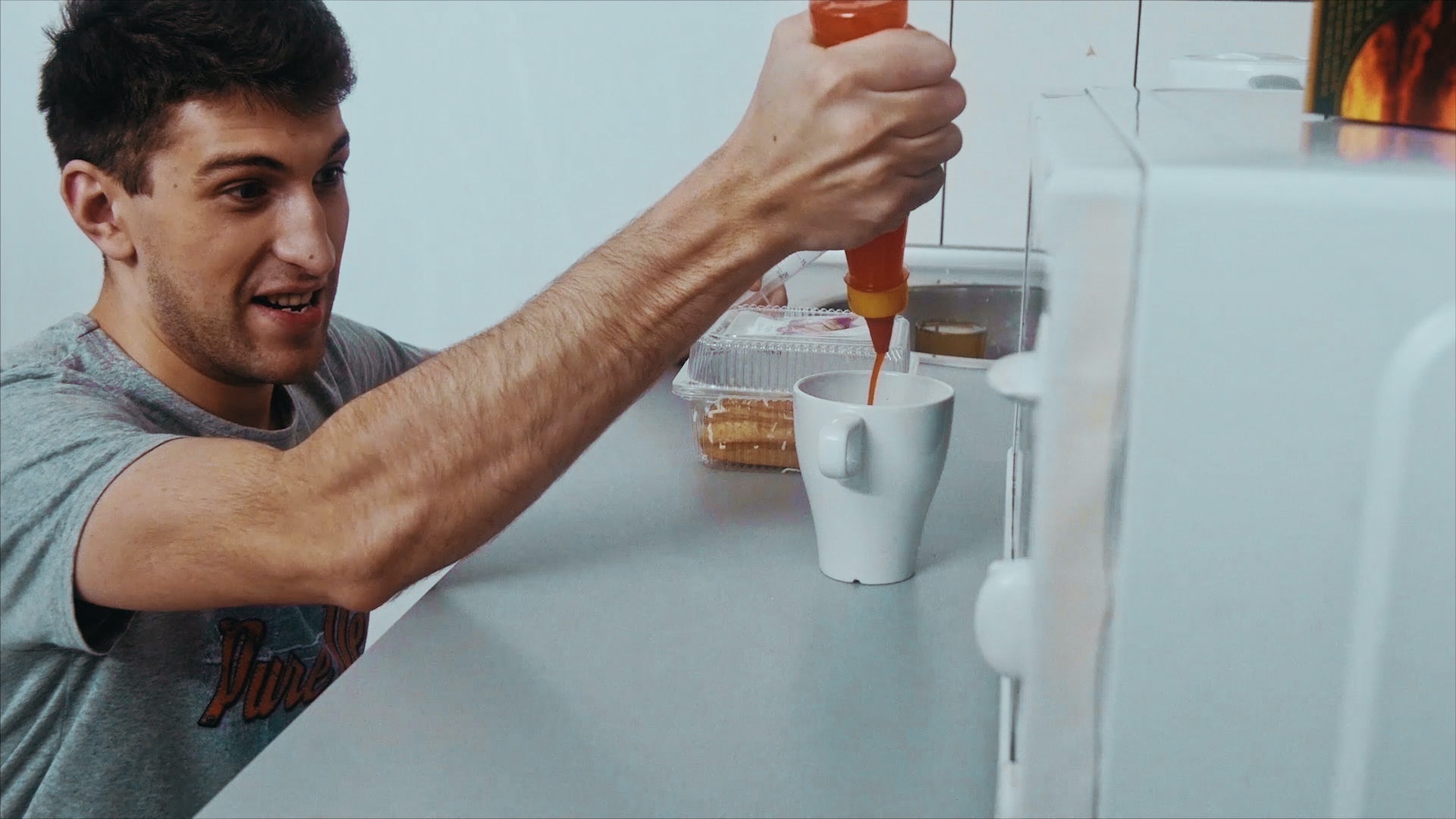
Would you blast an airhorn in your partner’s ear while they’re sleeping, record and upload their reaction online? Would you put hot chilli in their food, then film and share their distress?

Online prank videos are nothing new, and while many are lighthearted, a concerning sub-genre called “clout-lighting” has been emerging across the internet.

But in case you might be planning to clout-light your partner this April Fool’s Day, research shows it’s a surefire way to get dumped.

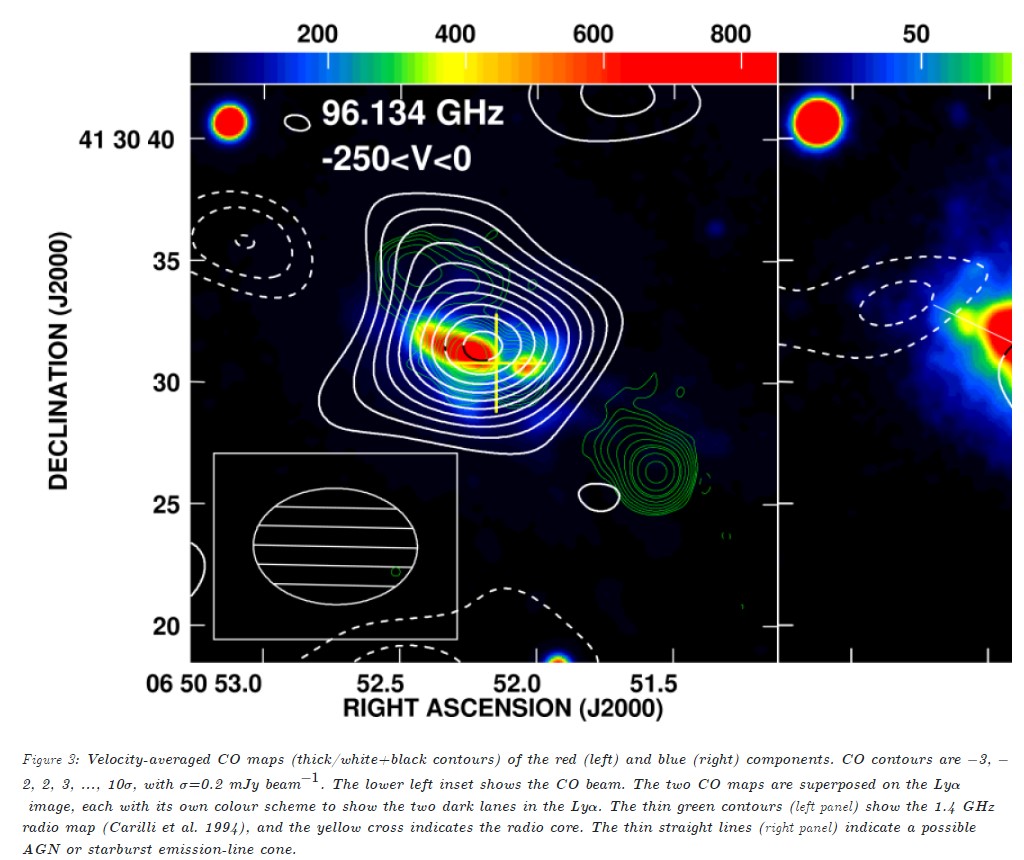
Radio telescope observations using the Atacama Large Millimeter/submillimeter Array (ALMA) have revealed a cold stream of intergalactic atomic carbon gas feeding star formation in a massive radio galaxy in the young Universe.

The findings of galaxy 4C 41.17 provide observational evidence supporting hypothetical cosmological models and offer new insights into the origins of the cosmic materials that enable galaxy and star formation.
A new paper notes that they can detect per- and polyfluoroalkyl substances - deemed by environmental activists as "forever" chemicals because they persist from to eight years - in 42 samples of food packaging. Like food bowls that are compostable and sustainable and better for the environment than plastic.

Ironically, this new detection, and resulting scare, happened because consumers demanded alternatives to plastic after environmental public relations campaigns saying all the fish were dying. Most foods will not be safe in paper(1) unless you eat them right away. And yet the alternative is now claimed to be worse than the thing they wanted replaced.
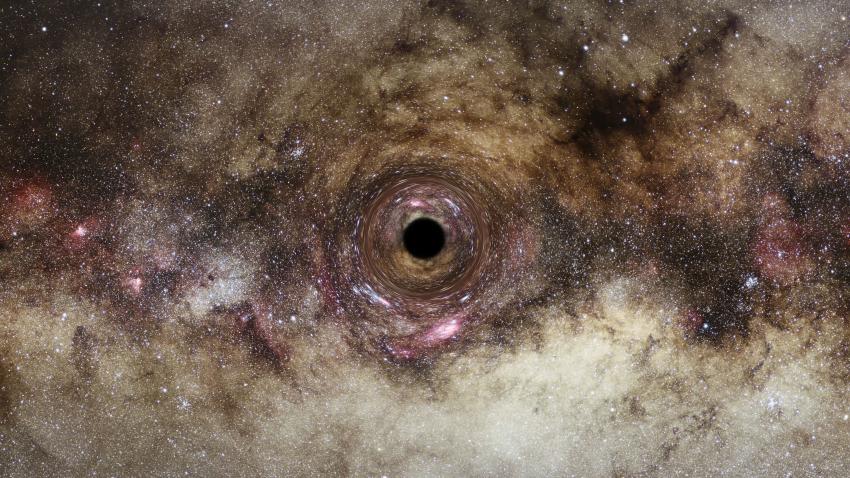
An object over 30 billion times the mass of our Sun has been detected thanks to gravitational lensing - where a foreground galaxy bends the light from a more distant object and magnifies it.

When news about the climate is published, like the Intergovernmental Panel on Climate Change’s latest report, frightening headlines like “final warning” or “now or never” are often the norm. Some activists call this approach “climate doomism”, and are quick to criticize media publications and other influencers for it.

When smog was prevalent, it was easy to see. Particulate matter 10 microns in size hover in the air, the famous London Fog was not natural moisture, it was PM10 pollution. In one event, nature combined with smog in London to kill 12,000 people.

After that, wealthier nations engaged in pollution control, and then PM10 and its health issues began to dissipate. In the 1990s and with much cleaner air, pollution activists and allied epidemiologists began to 'define pollution down.' PM2.5 was suddenly the new goalpost, they said, and showed air quality maps with red and orange to prove it.

