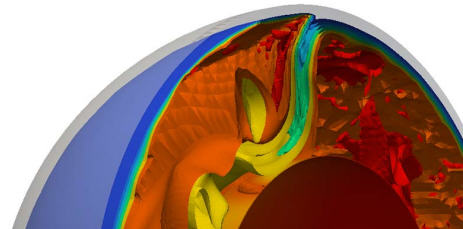





From the beginning of time, uranium has been part of the Earth and, thanks to its long-lived radioactivity, it has proven ideal to date geological processes and figuring out Earth’s evolution. 

Natural uranium consists of two long-lived isotopes uranium-238 and the lighter uranium-235 and  uranium isotopes leave a distinct ‘fingerprint’ in the sources of volcanic rocks, making it possible to gauge their age and origin.   

Researchers have identified hyaluronon (HA) as a critical substance made by the body that protects against premature births caused by infection. Pre-term birth from infection is the leading cause of infant mortality in many countries according to the World Health Organization.

The findings of the study, recently published in the Journal of Clinical Investigation, are the first to identify the specific role that HA plays in the reproductive tract.

Wine, medicine and movies are two great examples of how the naturalistic fallacy - the old ways are better - retain a vice-like grip on aspects of culture.  The naturalistic fallacy issues of wine tasting and medicine have been well-documented on Science 2.0 and, as anyone who got stuck watching "Crash" or "American Beauty" can tell you, awards and and critical acclaim in films also needs to be replaced with 21st century technology.

Beet juice is a fad in sports optimization because it is
rich in nitrates, but does it work? 

It has some value, though it does not enhance muscle blood flow or vascular dilation during exercise, as commonly claimed. It does "de-stiffen" blood vessels under resting conditions, potentially easing the workload of the heart. 

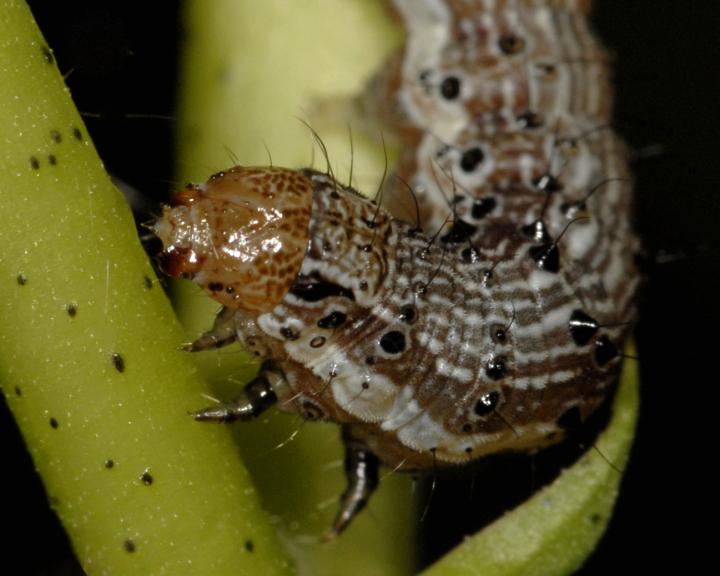
Crops genetically engineered to produce proteins from the bacterium Bacillus thuringiensis (Bt) to control insect pests have been planted on a cumulative total of more than a billion acres worldwide since 1996 and they have been very successful.

But pests evolve just like everything else and to avoid that, companies recommend a variety of strategies to avoid 'herd immunity'. Biotech companies have also introduced Bt crops called "pyramids" that produce two or more Bt toxins active against the same pest. They have been adopted in many countries since 2003, including the United States, India and Australia.

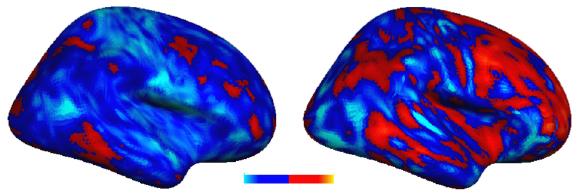
Autism Spectrum Disorder, a broad range of behavioral and cognitive issues that usually impair learning ability, has been studied for many years but there remain far more questions than answers. Some research into the brain functions of individuals with autism spectrum have found a lack of synchronization ('connectivity') between different parts of the brain that normally work in tandem, while other studies have found the opposite: over-synchronization. 


One of the biggest struggles in toxicology is creating the correct parameters so you are modeling the real world as closely as possible. It's an enormous task to model the environment with its millions of factors, so controlled studies are done using animals.

Scientists design experiments that give an animal a lot of something at once and that can tell them 'this is the threshold where more analysis is a waste of time' and perhaps also find an effect that may be worth studying in more detail. It's a time-honored technique but it's also a technique that can be exploited.


Look lively! Stokkete/Shutterstock

By Clive Brown, University of Leeds

After a very drawn out and fraught construction, the Philharmonie de Paris is finally open. The 2,400 seat concert hall was conceived with ambitious plans to democratize classical music, and is situated, in line with these aims, on the boundary between the city’s affluent center and its banlieues. Whether it will succeed in these ambitions remains to be seen.

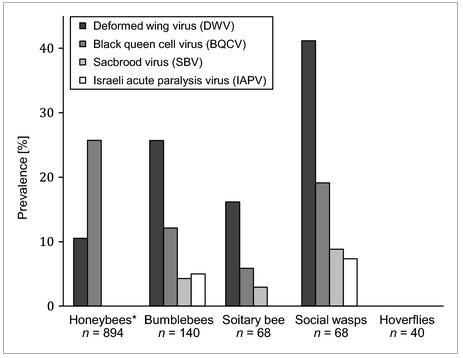
A new review of other studies concludes that viruses carried by commercial bees can jump to wild pollinator populations with potentially devastating effects. Pollinators in some regions have suffered declines and various hypotheses have been offered as to why.

A stem cell capable of regenerating both bone and cartilage has been identified in bone marrow of mice. The discovery by researchers at Columbia University Medical Center (CUMC) is reported today in the online issue of the journal Cell.

The cells, called osteochondroreticular (OCR) stem cells, were discovered by tracking a protein expressed by the cells. Using this marker, the researchers found that OCR cells self-renew and generate key bone and cartilage cells, including osteoblasts and chondrocytes. Researchers also showed that OCR stem cells, when transplanted to a fracture site, contribute to bone repair.


