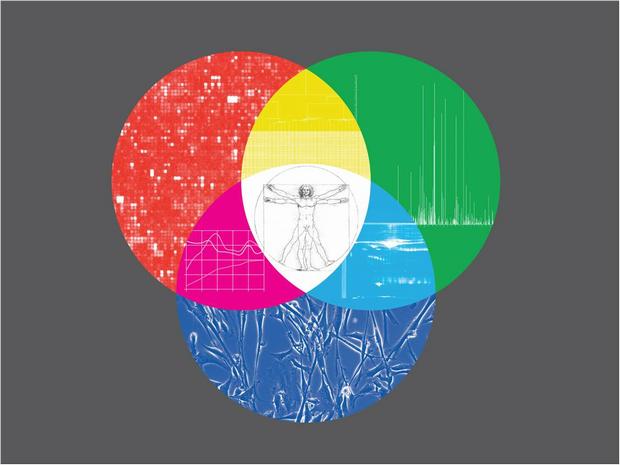





For decades, doctors have developed methods to diagnose how different types of cells and systems in the body are functioning. Now scientists have adapted biomedical techniques to study the vast body of the ocean.

In a Science paper, scientists demonstrate that they can identify and measure proteins in the ocean, revealing how single-celled marine organisms and ocean ecosystems operate.


Or abandon hope? Credit: chrisdorney

By Tim Crook, Goldsmiths, University of London

The Old Bailey’s Central Criminal Court is an Edwardian building that bears the inscription “Defend the children of the poor and Punish the wrongdoer.”

An Italian visitor more than 100 years ago suggested it should be replaced with an aphorism from Dante’s Inferno: “Abandon All Hope Ye Who Enter here.”

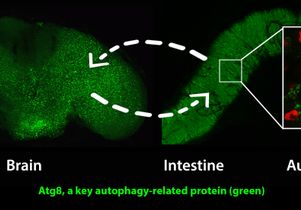
Biologists have found that increasing the amount of the gene
AMPK
that can slow the aging process throughout the entire body when activated remotely in key organ systems.

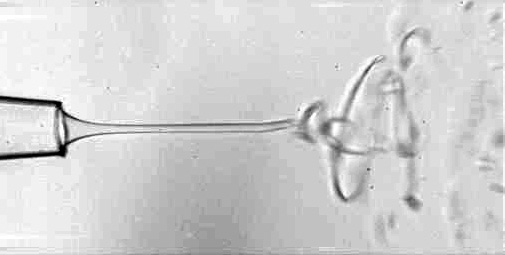
When researchers created a whipped jet in polydimethylsiloxane oil, a viscous dielectric material, they were surprised to see the chaotic motion switch over to a steady-state helical structure.

So they got a high-speed, microscope-based video camera operating at 50,000 frames per second to study the waveforms emerging from the experimental jets, which were less than five microns in diameter. The resulting video allowed precise examination of the waveforms produced when the liquid flowed out of the glass needle and into the second liquid flowing around it.

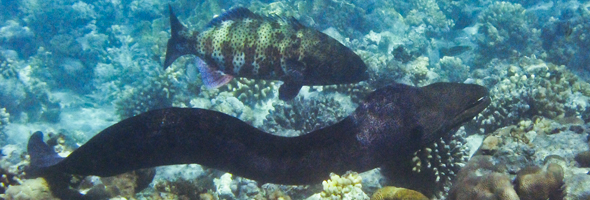
Coral trout are fast when chasing prey above the reefs of their habitat, but can't pursue their quarry if it buries itself into a hard-to-reach reef crevice - so they instead team up with a snake-like moray eel to flush out the unfortunate fish, which is a remarkable piece of interspecies collaboration: either the eel takes the prey in the reef, or scares it back into the open so the trout can pounce.

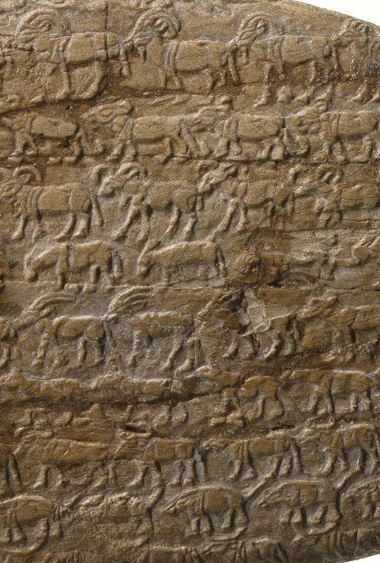
If depictions of animals in ancient Egyptian artifacts are an accurate climate record, they have helped scholars assemble a detailed record of the large mammals that lived in the Nile Valley over the past 6,000 years.

They then determined that species extinctions, probably caused by a drying climate and growing human population, made the ecosystem progressively less stable. 

An ortho-oncology team at Dartmouth-Hitchcock Norris Cotton Cancer Center successfully adapted a shoulder surgical aid, the Spider Limb Positioner, to conduct a left hip disarticulation on a melanoma patient. 

If you are fat, you might look for excuses that go beyond eating too much and not exercising - and nutritionists and people selling miracle products and fad diets are happy to jump on the latest trend, like that fat, sugar or wheat is doing it to you.

But though some people can become addicted to eating for its own sake, there remains no evidence that specific foods such as those high in sugar or fat are addictive. There remains no addiction for substances in certain foods because the brain does not respond to nutrients in the same way as it does to addictive drugs such as heroin or cocaine. Anyone who claims it does is not interested in evidence, they are interested in selling you a book or a food.

Mystery virus EV-D68 exploding among vaccinated children; U.S. medical system clueless without a vaccine warns blogger Mike Adams, who calls himself a "Health Ranger" and seems to exist to undermine medicine.

Image credit:  FeeBeeDee via flickr http://bit.ly/1tyHJdD. Rights information: http://bit.ly/cGotEb. By: Laurel Hamers, Inside Science

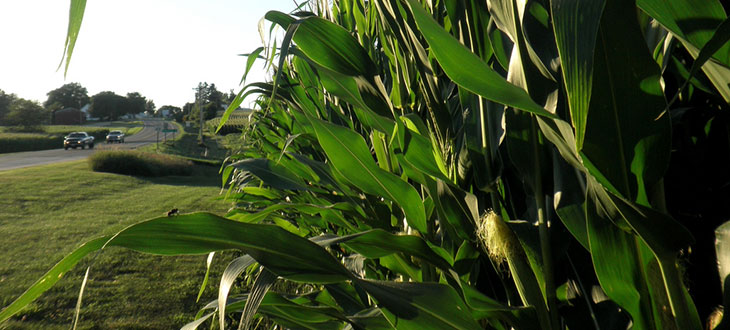
(Inside Science) -- Today, ethanol is routinely made from the kernels of corn. Eventually, though, it may be made from the husks.

Starches like corn provide quick energy because they readily break down into simple sugars such as glucose. This structure also makes them easy to convert into bioethanol, an alternative to fossil fuels.

