








Tiny single-cell organisms living underground could help with the problem of nuclear waste disposal, according to a paper in the ISME (Multidisciplinary Journal of Microbial Ecology) Journal.
  This is good news for Americans, since the Obama administration has lost the Yucca Mountain nuclear waste repository application even more often than the U.S. Internal Revenue Service has lost the emails showing they targeted political opponents.

Bacteria with waste-eating properties have been discovered before, but in relatively pristine soils. This is the first time finding microbes that can survive in the very harsh conditions expected in radioactive waste disposal sites.

Reducing hyperactivity in kids may be as simple as getting them out to play.

Kids are full of energy so having them trapped in a classroom all day from a young age isn't easy. For some, it is bordering on impossible and many of those have been saddled with the  Attention Deficit Hyperactivity Disorder (ADHD) label. Rather than putting kids on expensive - and in the case of Ritalin, dangerous - medications, the solution may be as simple as some play time before school starts.

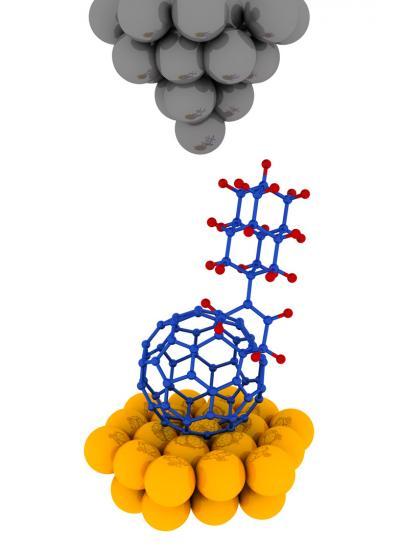
By pairing two unconventional forms of carbon – one shaped like a soccer ball, the other a tiny diamond – scientists have created a molecule that acts as a rectifier - it conducts electricity in only one direction, which means it could be possible to cheaply shrink computer chip components down to the size of molecules.

Positive results from its final preclinical toxicology study of SYN-004 have led Synthetic Biologics to get ready for clinical trials of the anti-infective, second-generation product candidate for Clostridium difficile (C. difficile).

Synthetic Biologics is in the final stages of preparing its SYN-004 IND application for submission to the FDA, with the expectation of initiating Phase Ia and Ib clinical trials in the fourth quarter of 2014, and a Phase II efficacy study in the first half of 2015.


Dora grows up. Credit: Lisa West Photography, CC BY-NC-ND

By Bruce Fuller, University of California, Berkeley


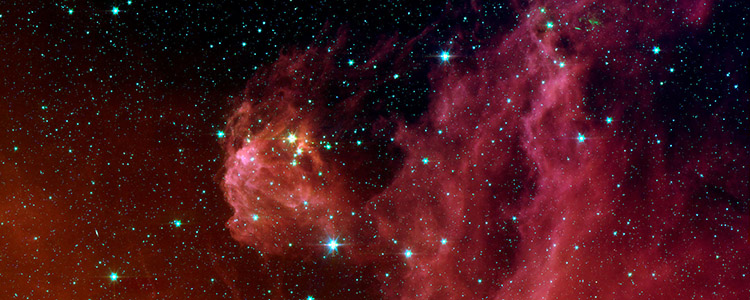
The Orion Nebula. Image credit: NASA http://bit.ly/1rTTyeC

By: Marcus Woo, Inside Science

(Inside Science) -- Interstellar space can be a dusty place, filled with tiny flecks no bigger than a bacterial cell.

But now astronomers have detected particles as big as pebbles, possibly a previously unknown type of dust that may kick-start the production of planets. The presence of these big particles may also suggest that star formation is more efficient than previously thought.


Ideally lollipops, cookies, sugar-sweetened drinks, potato chips and processed meats will never appear in your shopping cart.  

Want to stack the nutrition odds in your favor? The key is good food so here are five things to never let into your shopping trolley: candies, cookies, sugar-sweetened drinks, potato chips and processed meats.

Known as discretionary foods, all five are high in either added sugars, saturated fat or salt. Discretionary foods provide calories but not many nutrients.

By Karin Heineman, Inside Science 

(Inside Science TV) – From powering homes, to cars to phones, people across the world use vast amounts of energy. And that consumption is only growing.

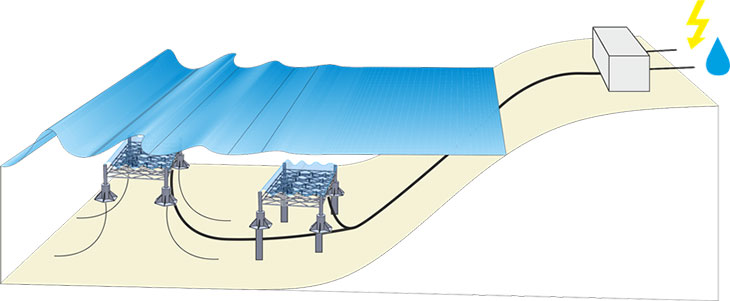
As energy needs increase, scientists are constantly on the hunt for new ways to meet the demand. A group of mechanical engineers may have found a new source: the ocean.

“Wave energy has the potential in the U.S. to power 50 million homes," said Marcus Lehmann, a mechanical engineer at the University of California, Berkeley.

So, Lehmann and his team at UC Berkeley have created a device that can capture the power of ocean waves.


Critical mass of editors could help solve the puzzle.Credit: bastique, CC BY-SA

By Mark Graham, University of Oxford

