







The critical links between water, sanitation, and our global consumption of energy – the “energy-water nexus” are more obvious than ever before. But how many of us will take direct action at the most basic level of all?

It turns out that the way we use the toilet has a profound impact not only on our water resources, but is implicated in global energy security and perhaps the future of industrial agriculture as we know it. Flushing a standard WC accounts for around 30% of daily domestic water consumption in developed countries. This water must then be decontaminated before it is released back to the environment – an increasingly vital process of recycling as water stress grows globally.

Blood may look like blood but it doesn't always behave like blood. 

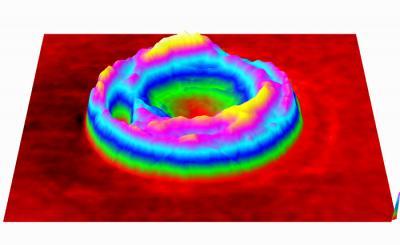
The longer blood is stored, the less it can carry oxygen into the tiny microcapillaries of the body, says a new study that used optical techniques to measure the stiffness of the membrane surrounding red blood cells over time. They found that, even though the cells retain their shape and hemoglobin content, the membranes get stiffer, which steadily decreases the cells' functionality.

If you enjoy a sweet, fleshy peach today, give some thanks to scientifically minded, free-market farmers in China 7,500 years ago.

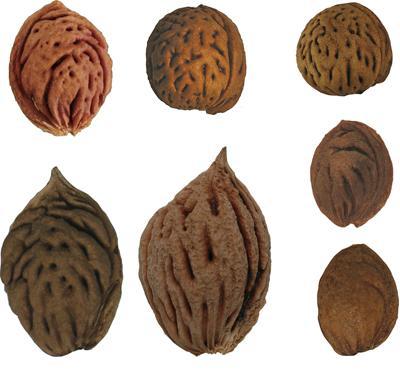
A new analysis has found that the domestic peaches popular worldwide today can trace their ancestry back to the lower Yangtze River Valley in Southern China at least that long ago.  Radiocarbon dating of ancient peach stones (pits) discovered in the Lower Yangtze River Valley indicates that the peach seems to have been diverged from its wild ancestors as early as 7,500 years ago. 

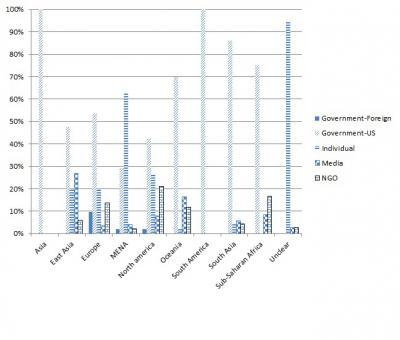
The Obama administration opened up a new front in the culture wars by creating a stunning social media campaign to get out the vote, and they have leveraged new media since; only one internal photographer gets to take pictures, for example, and those pictures go right to social media.

And they don't involve media organizations in reaching places like the Middle East and North Africa, they go right to Twitter.

A new blood test could allow doctors to predict which ovarian cancer patients will respond to particular types of treatment. The test could be developed and used in hospitals within the next few years.  

It would mean medics could see which patients could benefit from blood vessel-targeting drugs - such as bevacizumab - in addition to conventional therapy. Meanwhile, others who are not going to benefit would be spared the time and side effects associated with having the drug.  

The test would also help to reduce the cost to the NHS. Ovarian cancer has seen little increase in survival rates over the last few decades and scientists are seeking new treatment strategies to improve the standard approach of surgery and chemotherapy.

A gene patent means only the patent-holder has the right to undertake research and development involving that gene.Credit: Shutterstock

By Rodney Scott, University of Newcastle

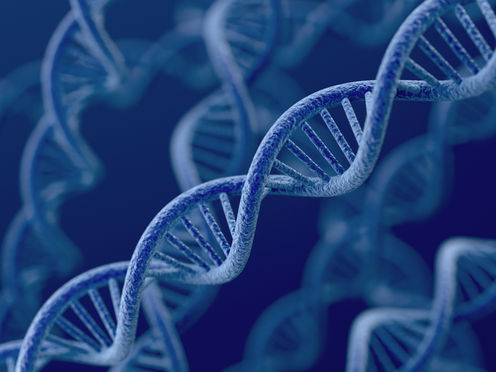
The Federal Court’s decision that gene patenting is permitted in Australia will have ramifications for all gene patents, even though the case involved only one gene associated with breast cancer.

A gene patent means only the patent-holder has the right to undertake research and development involving that gene. These patents generally last for 20 years.

The NSA is not allowed to gather intel on US citizens (at least not without a FISA court order), but there is an obscure Reagan era loophole--Executive Order 12333, or Twelve Triple Three--that allows NSA to scoop up data on millions of Americans and store these data (about 350 billion searchable records—that’s “billion” with a “B”) for up to five years.


Finland is the country to beat. Kimmo Brandt/EPA

By Daniel Muijs, University of Southampton

There has been a recent explosion of interest in the effectiveness of education systems around the world, largely driven by international studies that compare the performance of large samples of students from a wide range of countries.

If Americans adopted the recommendations the USDA's "Dietary Guidelines for Americans, 2010," diet-related greenhouse gas emissions would increase 12 percent, according to scholars, and if Americans reduced their daily caloric intake to the recommended level of about 2,000 calories while shifting to a healthier diet, greenhouse gas emissions would decrease by only 1 percent.

What must happen is that Americans must switch to no animal products, say Martin Heller and Gregory Keoleian of the University of Michigan's Center for Sustainable Systems, who looked at the greenhouse gas emissions associated with the production of about 100 foods, as well as the potential effects of shifting Americans to a diet recommended by the U.S. Department of Agriculture.

