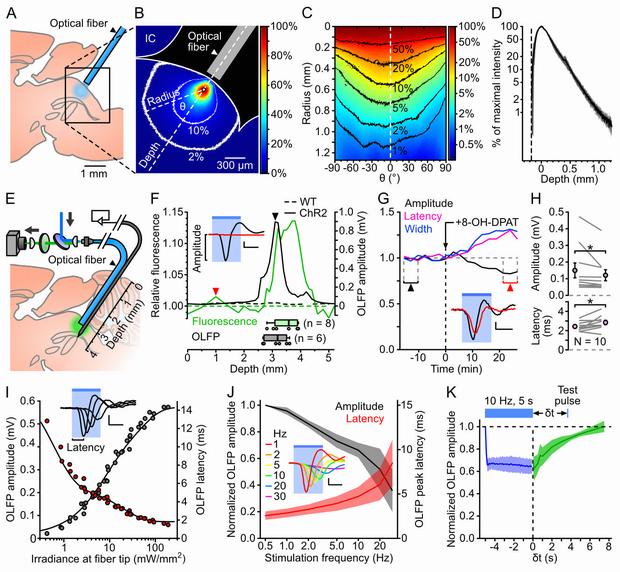



Using a combination of genetic and optical techniques, researchers at the Champalimaud Neuroscience Programme have established the effect of serotonin on sensitivity to pain.

"Serotonin is a small molecule known to be implicated in a wide range of brain functions, from the control of sleep and appetite, to the regulation of complex emotional behaviours, This neurotransmitter is also popularly thought to contribute to feelings of well being and happiness, as some anti-depression medications work through increasing serotonin in the brain," says Zachary Mainen, CNP director and principal investigator of the Systems Neuroscience Lab.

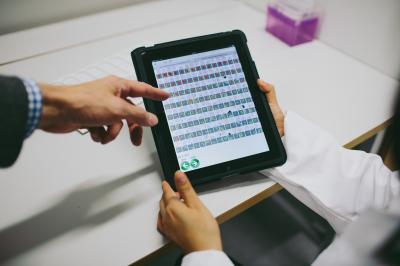
A method based on computer vision algorithms similar to those used in facial recognition systems combined with visualization of only the diagnostically most relevant areas can mean a big breakthrough in malaria diagnostics, according to a new paper. Tablet computers can be utilized in viewing the images.

In this new method, a thin layer of blood smeared on a microscope slide is first digitized. The algorithm analyzes more than 50,000 red blood cells per sample and ranks them according to the probability of infection. Then the program creates a panel containing images of more than a hundred most likely infected cells and presents that panel to the user. The final diagnosis is done by a health-care professional based on the visualized images. 

A ubiquitous skin fungus linked to dandruff, eczema and other itchy, flaky maladies in humans has now been tracked to even further global reaches—including Hawaiian coral reefs and the extreme environments of arctic soils and deep sea vents.

A review in the scientific journal PLOS Pathogens considers the diversity, ecology, and distribution of the fungi of the genus Malassezia in light of new insights gained from screening environmental sequencing datasets from around the world.

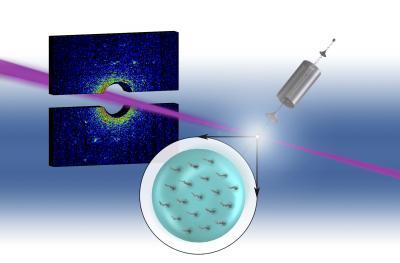
Scientists have mapped quantum tornadoes that swirl within tiny droplets of liquid helium, which confirms that helium nanodroplets are in fact the smallest possible superfluidic objects and opens new avenues to study quantum rotation.

Superfluid helium has long captured scientist's imagination since its discovery in the 1930s. Unlike normal fluids, superfluids have no viscosity, a feature that leads to strange and sometimes unexpected properties such as crawling up the walls of containers or dripping through barriers that contained the liquid before it transitioned to a superfluid.


Nottingham Trent University, CC BY-NC-ND

By Alister Scott, Birmingham City University

By Peter Gwynne, Inside Science

Why don't we suffocate whenever we try to take a breath? An international team of scientists has used quantum mechanics – the science that usually deals with events at the level of the ultra-small – to solve this human-sized mystery.

Quantum mechanics has long proved its value in understanding such phenomena as the behavior of electrons and in classifying subatomic particles. But in recent years theorists have increasingly shown how it applies to all facets of life, large and small.


Shall I compare thee to a novel? No. Tim McFarlane/Flickr, CC BY-NC-SA

By David Sweeney, Glasgow School of Art

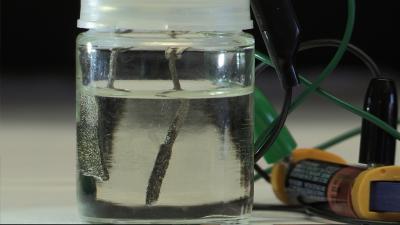
Next year, American consumers will finally be able to purchase fuel cell cars and they are zero-emissions vehicles but, like current electric cars, not really, since the cars will run on hydrogen made from natural gas.

If you capture a hummingbird on high-speed video and slow it down, their wings thrum like helicopter blades as they hover near food. Their hearts beat 20 times a second and their tongues dart 17 times a second to slurp from a feeding station.

Researchers at
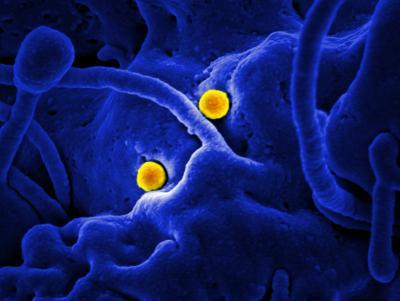
the NIH National Institute of Allergy and Infectious Diseases scientists have found that Middle East respiratory syndrome coronavirus (MERS-CoV) infection in marmosets closely mimics the severe pneumonia experienced by people infected with MERS-CoV, giving researchers the best animal model yet for testing potential treatments. 

They used marmosets after predicting in computer models that the animals could be infected with MERS-CoV based on the binding properties of the virus.

