






Unusually high levels of physical exertion do cause oxidative stress, but this does not result in any long-term damage to DNA, say the results of a new research project.

As part of the project, 42 male athletes took part both in a triathlon and an extensive biomedical study, which examined numerous physiological values parameters during the period from two days before to 19 days after the triathlon.

The range of personal views on the benefits - or otherwise - of physical activity covers everything from "sport is good for you" to "sport is a killer" - not very scientific.

There is no doubt that regular sporting activity has physiological benefits but there is no evidence that there are benefits of extreme endurance sports.

Dr Zane Andrews, a neuroendocrinologist with Monash University's Department of Physiology, says he has discovered key appetite control cells in the human brain degenerate over time, causing increased hunger and potentially weight-gain as we grow older.

Dr Andrews found that appetite-suppressing cells are attacked by free radicals after eating and said the degeneration is more significant following meals rich in carbohydrates and sugars.

"The more carbs and sugars you eat, the more your appetite-control cells are damaged, and potentially you consume more," Dr Andrews said.

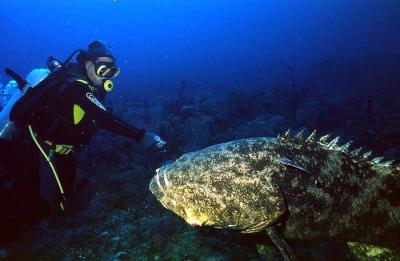
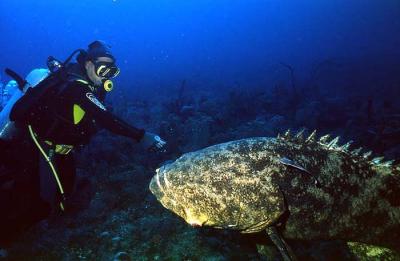
Researchers from the University of Hawaii, the Wildlife Conservation Society, Smithsonian Tropical Research Institute, National Marine Fisheries Service and Projecto Meros do Brazil discovered a new species of fish; a grouper that reaches more than six feet in length and can weigh nearly 1,000 pounds. This newly discovered species can be found roaming the tropical reefs of the Eastern Pacific Ocean.

Was the massive fish hiding among the corals and sea grass to evade marine biologists? No, it was just a case of mistaken identity, as explained in a recent genetic study in the journal Endangered Species Research.

It turns out that goliath in the Atlantic which inhabit the tropical waters of the Americas and western Africa are not the same groupers that swim in Pacific waters, even though they look identical.

In a perfect zoo there is Zoo Doo.

Some zoos in the U.S. offer an exotic way to fertilize their gardens through a unique method of recycling waste from zoo animals.

At the Louisville Zoo in Kentucky where the mix is called Zoo Poopy Doo, the product consists of hoof stock manure from animals including elephants, rhinos, camels and giraffes. This is blended with hay, straw and wood shavings.

The product was first introduced at the Louisville Zoo by Assistant Director Mark Zoeller. Experts at the zoo say it gets its appeal by improving the aeration of the soil and increasing root penetration and water retention, which together reduces crusting of the soil surface.

Last April the Zoo celebrated its novel recycling technique in the form of Zoo Poopy Doo by holding festival sale Saturdays honoring the exotic fertilizer. The sale Saturdays that extended into May were held in the parking lot of the zoo where interested persons could support the zoo and recycling for $30 a scoop.

For an athlete, it seems to good to be true. A "sports supplement" that increases alertness, concentration, reaction time and focus while decreasing muscle fatigue or at least the perception of fatigue. It can even shorten recovery time after a game. HGH? EPO? Steroids? Nope, just a grande cup of Juan Valdez's Best, Liquid Lightning, Morning Mud, Wakey Juice, Mojo, Java, aka coffee.

Actually, the key ingredient is caffeine which has been studied repeatedly for its ergogenic (performance-enhancing) benefits in sports, both mentally and physically. Time after time, caffeine proves itself as a relatively safe, legal and inexpensive boost to an athlete.  Or does it?

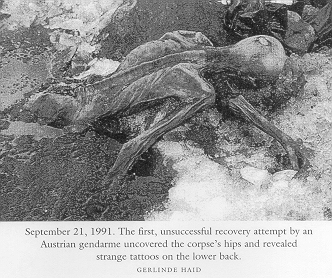
A famous Neolithic Iceman is dressed in clothes made from sheep and cattle hair, a new study shows. The researchers say their findings support the idea that the Iceman was a herdsman.

The social and cultural background of the Iceman, dubbed Oetzi, has been the subject of much debate since his mummified remains were discovered in an Alpine glacier in 1991. Although his clothes were known to be made of animal skins, their exact origin was uncertain. This new study focuses on hair samples taken from Oetzi's coat, leggings and moccasin shoes.

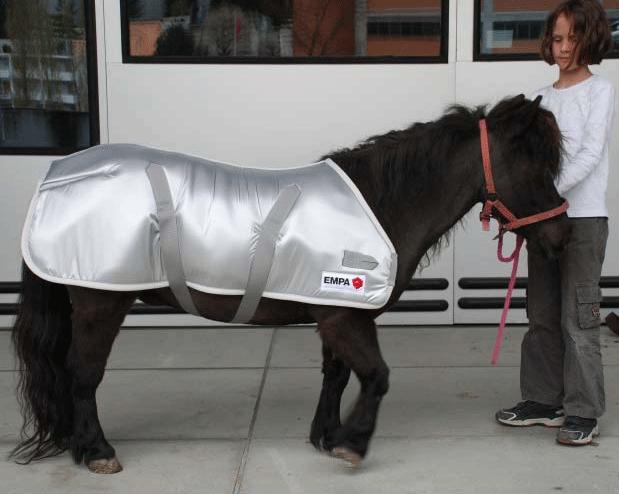
It's no secret that the heat and humidity throughout Olympic venues can be sweltering but the Swiss Equestrian Federation tournament horses have an advantage - special cooling blankets to ward off the Hong Kong heat.

And after the their event is over, “sweat blankets” will help them to dry off as quickly as possible – one to cover them as they return to the stables, and another to wear in their air conditioned quarters.

These special garments have been designed to support these sensitive (and valuable) champion horses in their own bodily efforts to regulate their temperature and prevent the dangerous 'post exercise chill effect', the unpleasant and unhealthy uncontrolled cooling which leads to the animals becoming chilled after exercise.

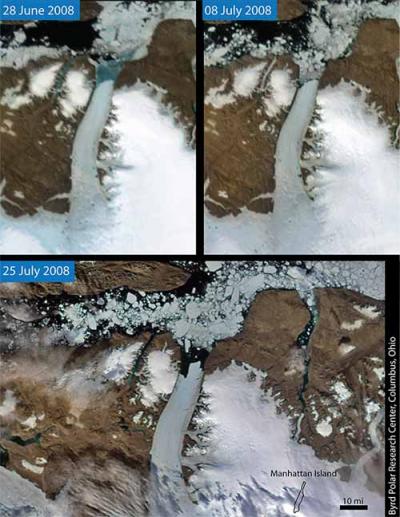
Researchers monitoring daily satellite images of Greenland's glaciers have discovered break-ups at two of the largest glaciers in the last month. They expect that part of the Northern hemisphere's longest floating glacier will continue to disintegrate within the next year.

A massive 11-square-mile (29-square-kilometer) piece of the Petermann Glacier in northern Greenland broke away between July 10th and by July 24th. The loss to that glacier is equal to half the size of Manhattan Island. The last major ice loss to Petermann occurred when the glacier lost 33 square miles (86 square kilometers) of floating ice between 2000 and 2001.

Petermann has a floating section of ice 10 miles (16 kilometers) wide and 50 miles (80.4 kilometers) long which covers 500 square miles (1,295 square kilometers).

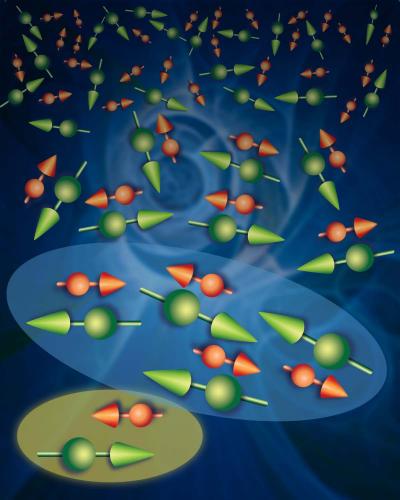
The semiconductor silicon and the ferromagnet iron are the basis for much of mankind's technology, used in everything from computers to electric motors.

Writing in Nature, an international group of scientists from the UK, USA and Lesotho report that they have combined these elements with a small amount of another common metal, manganese, to create a new material which is neither a magnet nor an ordinary semiconductor.

They then show how a small magnetic field can be used to switch ordinary semiconducting behavior (such as that seen in the electronic-grade silicon which is used to make transistors) back on.

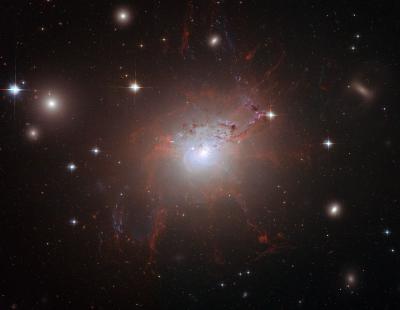
NGC 1275 is one of the closest giant elliptical galaxies and lies at the centre of the Perseus Cluster of galaxies. It is an active galaxy, hosting a supermassive black hole at its core, which blows bubbles of radio-wave emitting material into the surrounding cluster gas. Its most spectacular feature is the lacy filigree of gaseous filaments reaching out beyond the galaxy into the multi-million degree X-ray emitting gas that fills the cluster.

These filaments are the only visible-light manifestation of the intricate relationship between the central black hole and the surrounding cluster gas. They provide important clues about how giant black holes affect their surrounding environment.

