Scientific Hedging
A favourite theme in disaster movies is the political figure who tries to keep the local population from being alerted to some impending catastrophe. Usually, the political figure tries to impede the publication of findings by one or more scientists. In real life, it is more commonly the scientists themselves who create a barrier that stands between them and non-scientists. That barrier, the 'hedge' is a linguistic device.
It makes sense that ecological changes caused by humans affect natural biodiversity and, in some cases, can even cause permanent displacement of a species.
Unless science revives it.
Researchers from Eawag and from two German universities (Frankfurt and Konstanz), analyzed genetic material from Daphnia eggs up to 100 years old and say the eutrophication of Greifensee and Lake Constance in the 1970s and 1980s led to genetic changes in a species of water flea which was ultimately displaced. Despite the fact that water quality has since been significantly improved, this species has not been re-established. Naturally, anyway.
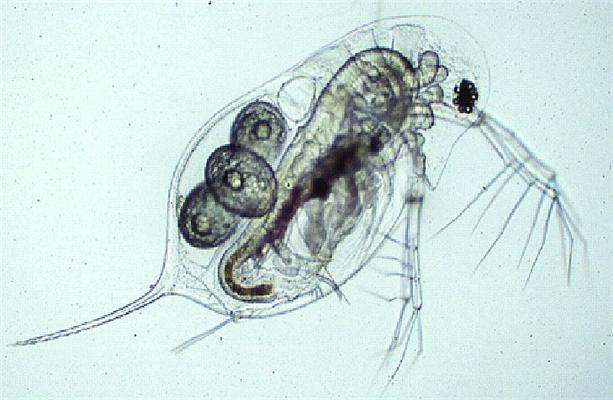 Daphnia Galeata. Photo: Eaweg University
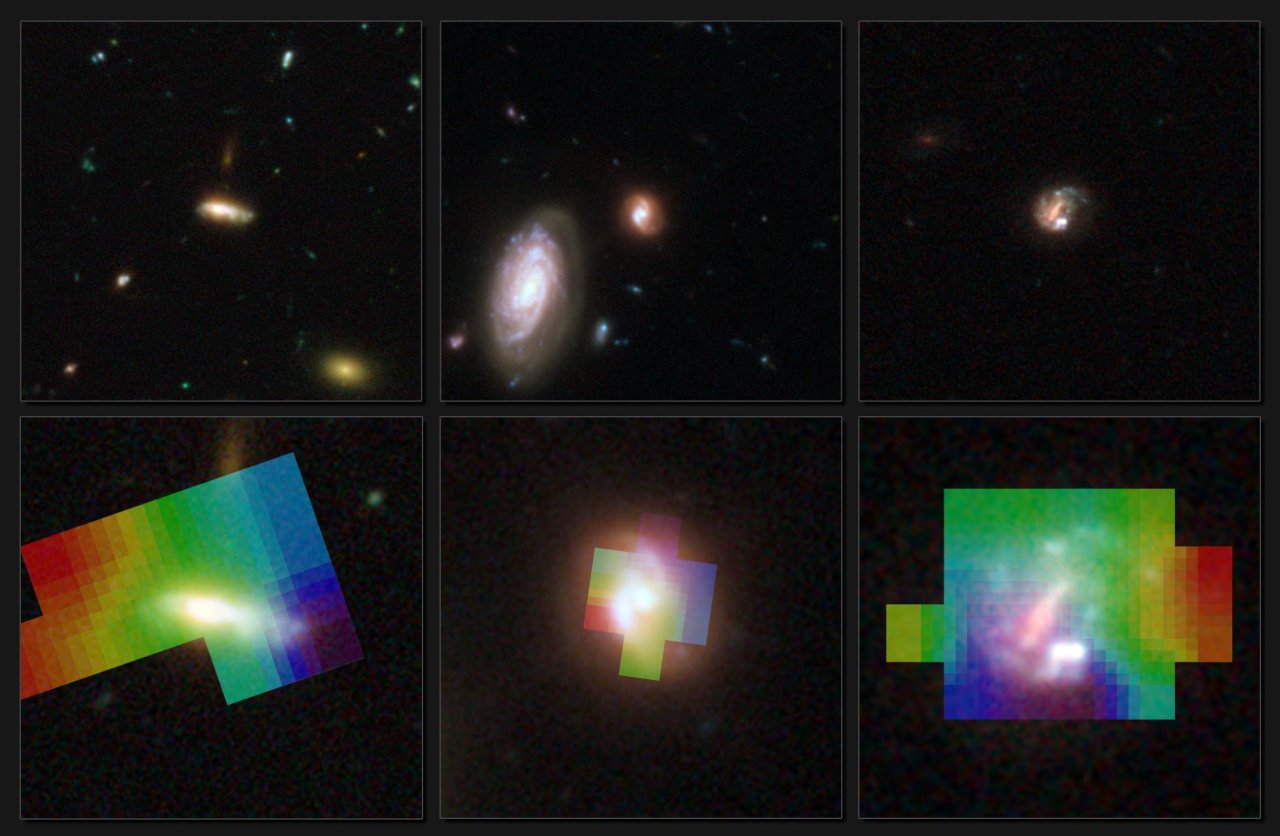
Astronomers have obtained exceptional 3D views of distant galaxies, seen when the Universe was half its current age, by combining the the Hubble Space Telescope’s acute eye and the ESO’s Very Large Telescope to probe the motions of gas in tiny objects. By looking at this unique “history book” of our Universe, at an epoch when the Sun and the Earth did not yet exist, scientists hope to solve the puzzle of how galaxies formed in the remote past.
Herd mentality. Angry mob. Mass hysteria. As these phrases suggest, we are not always confident that a large group of people will come up with the smartest decisions.
But numerous studies have shown that a crowd of people usually gives more accurate responses to questions compared to an individual and averaging the responses provided from a group increases accuracy by canceling out a number of errors made across the board, like over- and under-estimating the answer.
MIAMI, March 10 /PRNewswire/ --
Ashwin Kamlani, CEO of AboutAnywhere.com, operator of the world's only free online distribution network for the hotel industry, has been selected to participate in PhoCusWright's prestigious Travel Innovation Summit in Orlando, FL on November 17, 2009. The Summit is the second of its kind by PhoCusWright, showcasing innovators from around the world whose businesses focus on travel planning, purchasing and trending.
(Logo: http://www.newscom.com/cgi-bin/prnh/20090108/CLTH010LOGO )
A new study from North Carolina State University shows that painted road markings, such as the lines separating traffic lanes, are significantly better at reflecting headlights in the direction that the paint was applied. This finding will help determine how states comply with new federal safety regulations and save money on painting their roadways.
What's in a name? Perhaps more (or less) money. Before employers have a chance to judge job applicants on their merits, they may have already judged them on the sound of their names, says a study published in the latest issue of the Journal of Labor Economics.
Who hasn't tried to bleach their hair with hydrogen peroxide in college? I can't tell you how many young scientists we know who tried to go for that young Reed Richards look.
It turns out that hydrogen peroxide may be responsbile for bleached hair in aging also, though not intentionally.
Researchers of the Johannes Gutenberg University Mainz in Germany nd the University of Bradford say they have now unlocked the secret of hair turning white or gray in old age. According to them, free oxygen radicals are significantly involved in the loss of hair color.

Sulfuryl fluoride, a gas used for fumigation, has the potential to contribute significantly to future greenhouse warming, but because its production has not yet reached high levels there is still time to nip this potential contributor in the bud, according to an international team of researchers.
Their study of sulfuryl fluoride this month in the Journal of Geophysical Research, measured the levels of the gas in the atmosphere and determined its emissions and lifetime to help gauge its potential future effects on climate.
If you want to perform at your peak, you should carefully consider how you discuss your past actions. In a new study in Psychological Science, psychologists William Hart of the University of Florida and Dolores AlbarracÃn from the University of Illinois at Urbana-Champaign reveal that the way a statement is phrased (and specifically, how the verbs are used), affects our memory of an event being described and may also influence our behavior.