



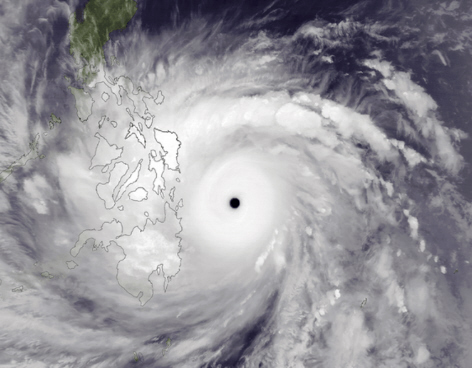

The recent floods in Texas have caused some of the worst flooding since Hurricane Ike in 2008, causing the rainiest month in the state's history.

What lessons have been learned from Ike's devastation of the Galveston and Houston area, and how have they helped in the prediction of future such storms?

Researchers at the Institute for Computational Engineering and Sciences at the University of Texas at Austin have been studying computational models and simulations of hurricanes like Ike in order to predict the consequences of such natural disasters and better prepare the Texas Gulf Coast for their effects.

The buzz in the press and on social media about TV costume dramas Poldark and Outlander has been formidable.

Adapted from hugely popular novels, they have drawn fans of the books (and, in the case of Poldark, of the original TV series) as well as newcomers. The shows aired within months of each other. Both are set within the 18th century and both occupy peripheral, Celtic territories – Cornwall in Poldark and the Scottish highlands in Outlander.

Bacteria and viruses have an obvious role in causing infectious diseases, but microbes have also been identified as the surprising cause of other illnesses, including cervical cancer (Human papilloma virus) and stomach ulcers (H. pylori bacteria).

A new study by University of Iowa microbiologists now suggests that bacteria may even be a cause of one of the most prevalent diseases of our time - Type 2 diabetes.

The research team led by Patrick Schlievert, PhD, professor and DEO of microbiology at the UI Carver College of Medicine, found that prolonged exposure to a toxin produced by Staphylococcus aureus (staph) bacteria causes rabbits to develop the hallmark symptoms of Type 2 diabetes, including insulin resistance, glucose intolerance, and systemic inflammation.

A long noncoding RNA (lncRNA), which might give an impact on tyrosine kinase-targeted leukemia therapy, was found to be expressed in a leukemia cell line.

The function of the lncRNA CCDC26 is not fully understood; however, researchers found the mechanisms by which CCDC26 controls the receptor tyrosine kinase KIT expression. Recent transcriptomic studies have revealed the existence of numerous RNAs that are relatively long but not translated into proteins. Some of such lncRNAs are suggested to regulate the expression of other genes. Mutations or imbalances in the noncoding RNA repertoire within the body can therefore cause a variety of diseases such as cancer. However, the molecular functions of lncRNAs remain to be fully elucidated.

Many people worry about the possibility of the end of all life on our planet. However, the Earth is by far the most habitable planet in our solar system and there's no reason to expect that to change for hundreds of millions of years.

The Earth may become uninhabitable between 500 million and a billion years from now. That may seem a short time, when you compare it with the billions of years the Earth has evolved for. But compared with the length of time there have been humans on the Earth it's a very long time.

To get an idea of who may need to deal with this issue, the idea is, to look at the last billion years. And then think about where we or our evolutionary cousins might be after another billion years after that. First some background though.

Corn infected by the fungus Aspergillus which can produce aflatoxin (Iowa State IPM)
If you lived on one of Pluto's moons, you might have a hard time determining when, or from which direction, the sun will rise each day. Two of Pluto's moons, Nix and Hydra, wobble unpredictably, according to a new data analysis.

Beginning readers who focus on letter-sound relationships, or phonics, instead of trying to learn whole words, increase activity in the area of their brains best wired for reading, according to new Stanford research investigating how the brain responds to different types of reading instruction.

In other words, to develop reading skills, teaching students to sound out "C-A-T" sparks more optimal brain circuitry than instructing them to memorize the word "cat." And, the study found, these teaching-induced differences show up even on future encounters with the word.

A team of biologists and a mathematician have identified and characterized a network composed of 94 proteins that work together to regulate fat storage in yeast.

"Removal of any one of the proteins results in an increase in cellular fat content, which is analogous to obesity," says study coauthor Bader Al-Anzi, a research scientist at Caltech. The findings, detailed in the May issue of the journal PLOS Computational Biology, suggest that yeast could serve as a valuable test organism for studying human obesity.

Soil erosion that occurs in rainy seasons leads to a significant amount of carbon being released into the atmosphere, a new study shows.

Investigators who analyzed 240 runoff plots from different regions of the world found that organic carbon losses from soils corresponds to about one-sixth of annual fossil fuel-induced carbon emissions with highest rates for semi-arid soils followed by tropical soils and temperate soils.

"The organic carbon lost from soils is more likely to reach the atmosphere under semi-arid sandy soils of weak structure compared to clayey tropical or temperate soils where organic matter is more protected," said Dr. Vincent Chaplot, co-author of the study published in Earth Surface Processes and Landforms.

DOI: 10.1002/esp.3758


