Fake Banner
Theory Of Mind Is Wrong About Autistic People

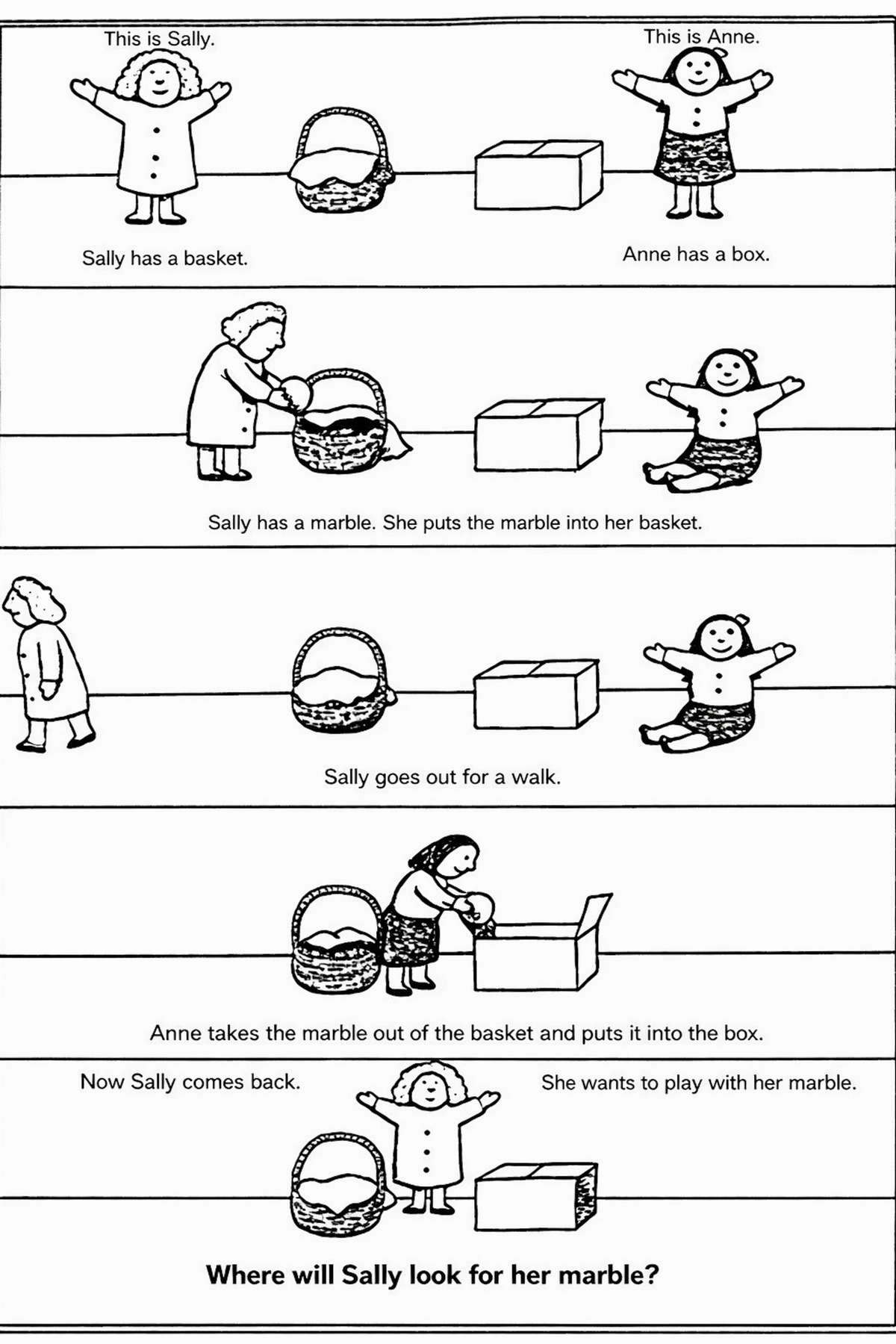
For four decades, a controversial idea has shaped how autism is understood by researchers, healthcare...

Bacteroides Fragilis May Be A Fifth Columnist Helping Colon Cancer In Your Body

The gut bacterium Bacteroides fragilis has long presented researchers with a paradox. It has been...

Losing Weight Improves The Heartbreak Of Psoriasis For Some

For many people living with psoriasis, the red, scaly skin patches are only part of the story....

Healthcare In Space - The First Medical Evacuation From The ISS

For the first time in 25 years of continuous crewed operations, an astronaut has been medically...

User picture.
The ConversationRSS Feed of this column.

The Conversation is an independent source of news and views, funded by the academic and research community and delivered direct to the public. The Conversation launched in Australia in March 2011.... Read More »

Blogroll

If we want to maximize creativity, tying cash to creative output is a bad idea. tanakawho/Flickr

By Dan Hunter, Swinburne University of Technology

Imagine you were asked to write a law that encouraged creativity.

What would it look like? Whatever your answer, it’s pretty clear that it wouldn’t look like copyright.

Which is weird, right? Because copyright is supposed to be the law that spurs creativity. The problem, it turns out, is that the central features of copyright are directly opposed to the things that support creativity.


It's never too late to start balancing the calorie ledger. rangizzz

By Lee Hamilton, University of Stirling


Marcus Aurelius.

By Robert S. Colter, University of Wyoming


Have you made your 2015 New Year's Resolutions yet? Toni Blay

By Jayashri Kulkarni, Monash University

“I will definitely give up smoking – that’s my New Year’s resolution,” she stated emphatically as she thumped her fist on the table to underline her determination. “All very well”, I thought, as I sat opposite her in my medical consulting room in October.

What is it about New Year’s resolutions that we find so compelling?

By David Glance, University of Western Australia

One of the characteristic features of Massive Open Online Courses is the observation that no matter how many students enroll in a course, only between 5 to 10% of them will ever complete it.

Setting aside the argument of whether this actually means that MOOCs are considerably less “massive” than the name suggests, the interesting question is what is behind this high level of drop-outs and why does it seem so consistent?


They should have stuck to white wine.

By Laurence Totelin, Cardiff University

Slightly over-indulged in wine this festive season?

Suffering from throbbing headache, dry mouth, and nausea after the office Christmas party?

The hair of the dog somehow does not appeal? Are you looking for time-tested cures? Fear not: these Greek and Roman remedies to alleviate a hangover or prevent one will come in handy.