Fake Banner
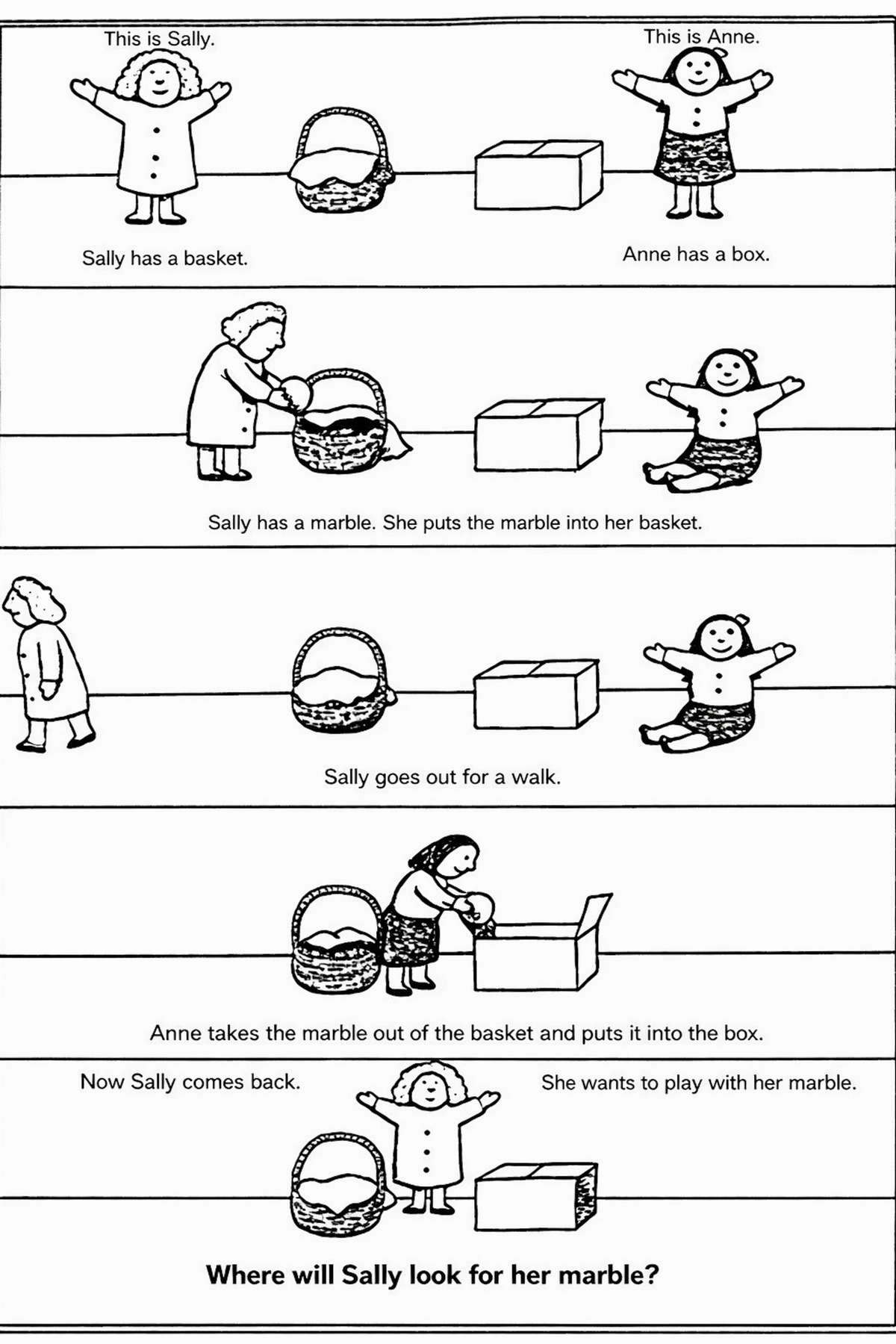
Theory Of Mind Is Wrong About Autistic People

For four decades, a controversial idea has shaped how autism is understood by researchers, healthcare...
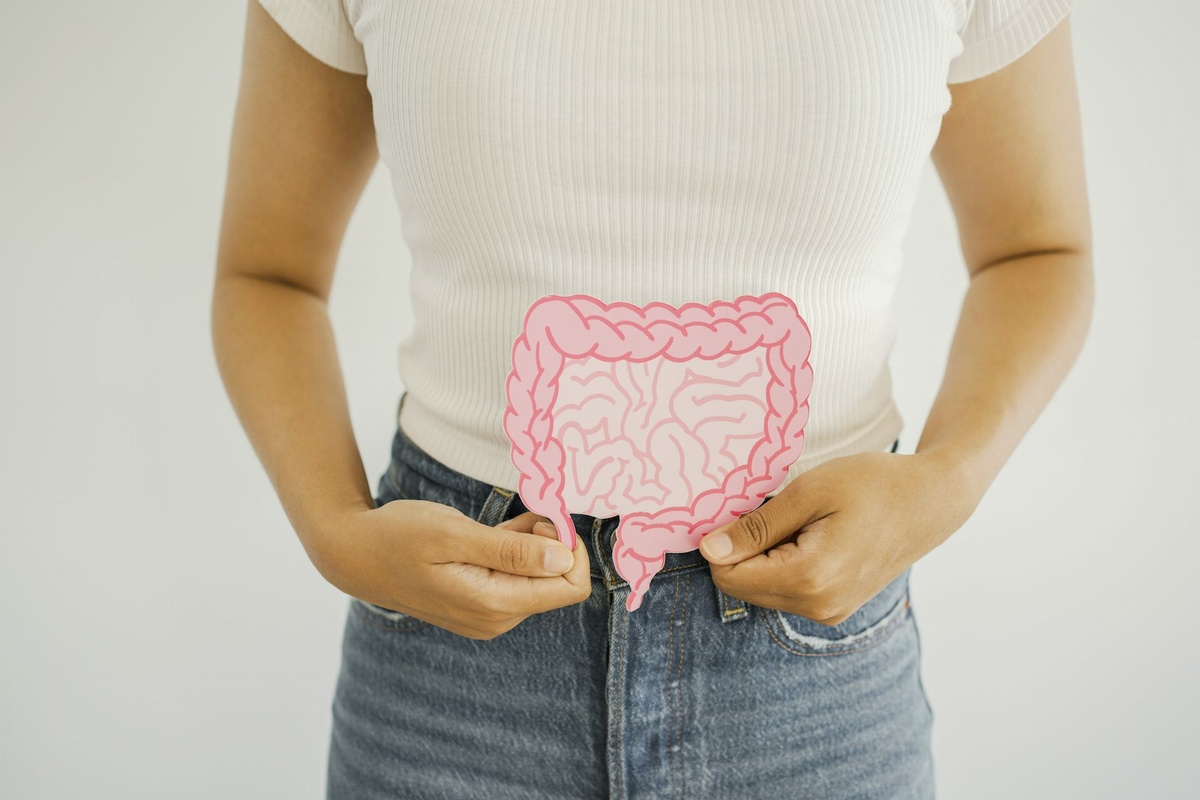
Bacteroides Fragilis May Be A Fifth Columnist Helping Colon Cancer In Your Body

The gut bacterium Bacteroides fragilis has long presented researchers with a paradox. It has been...
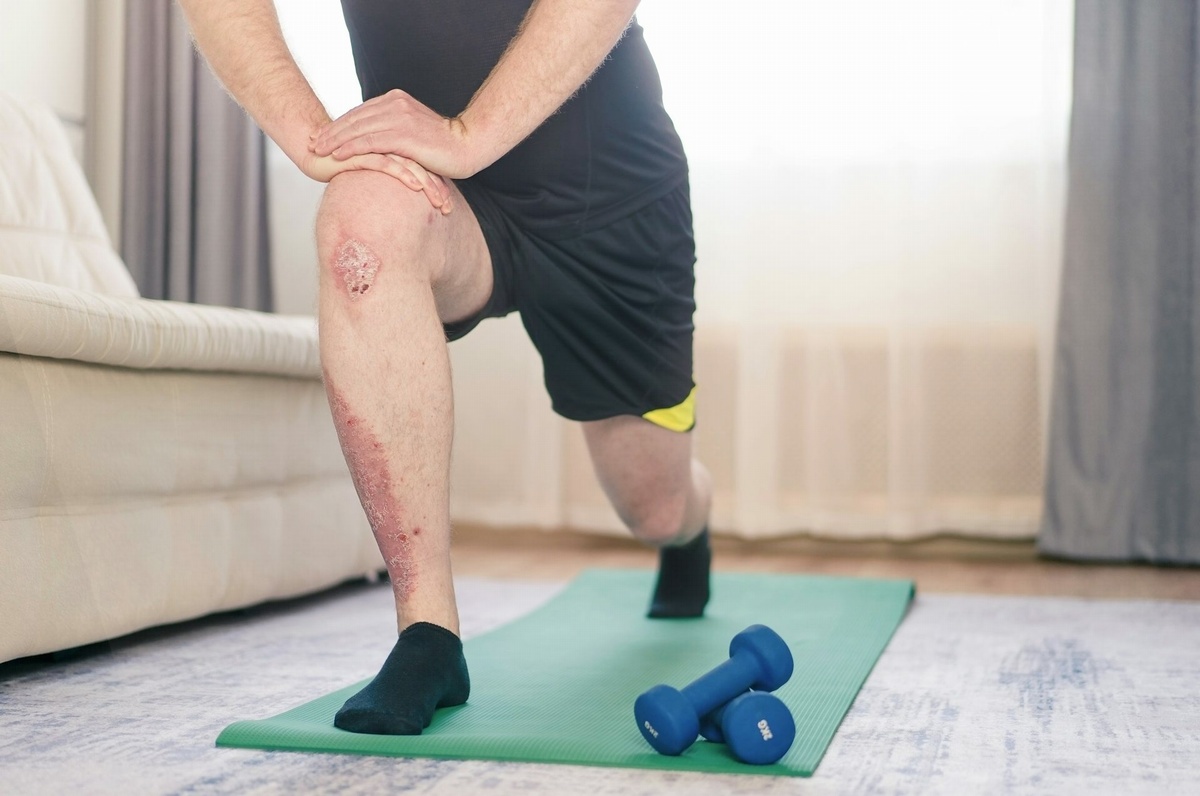
Losing Weight Improves The Heartbreak Of Psoriasis For Some

For many people living with psoriasis, the red, scaly skin patches are only part of the story....
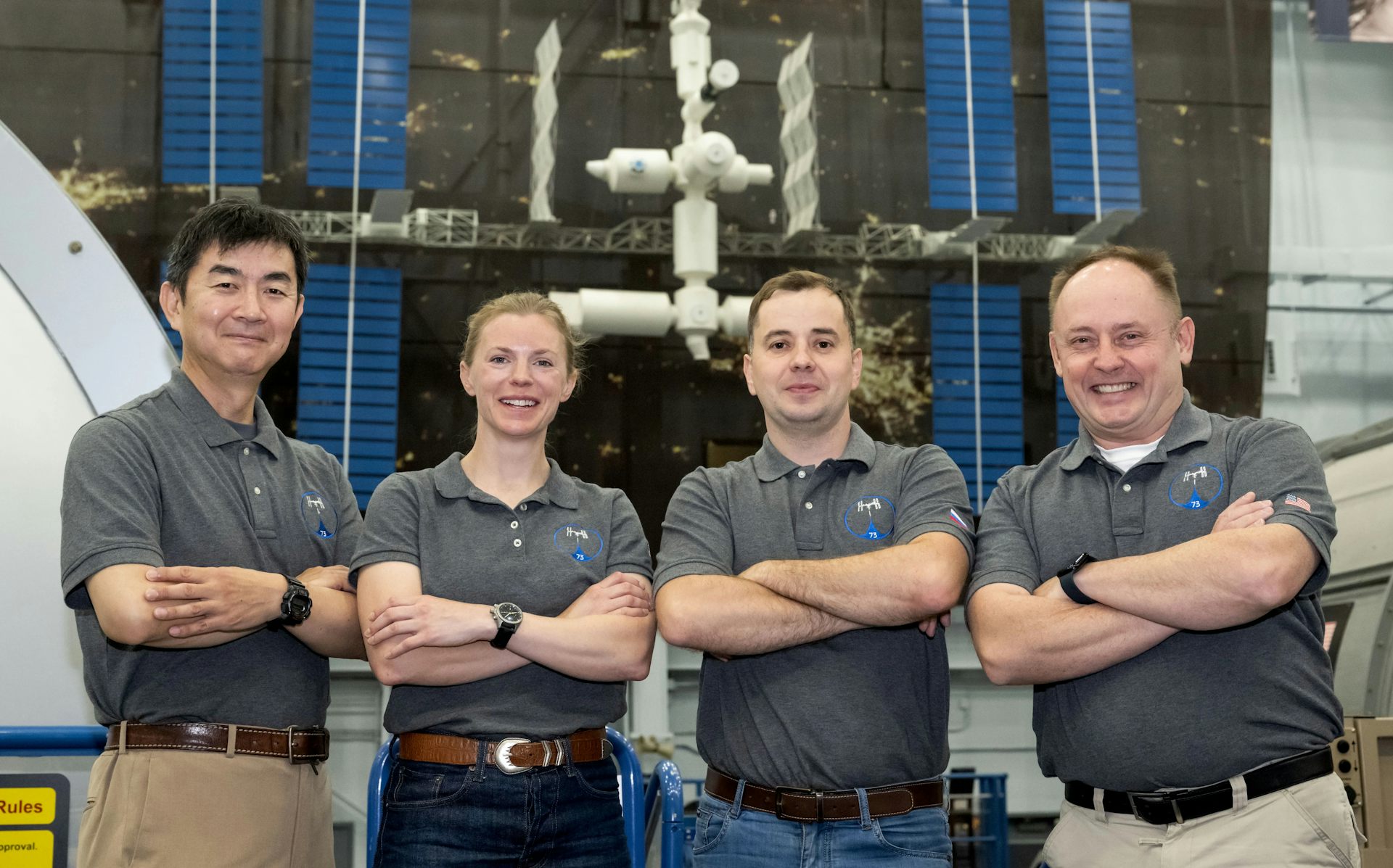
Healthcare In Space - The First Medical Evacuation From The ISS

For the first time in 25 years of continuous crewed operations, an astronaut has been medically...

User picture.
The ConversationRSS Feed of this column.

The Conversation is an independent source of news and views, funded by the academic and research community and delivered direct to the public. The Conversation launched in Australia in March 2011.... Read More »

Blogroll

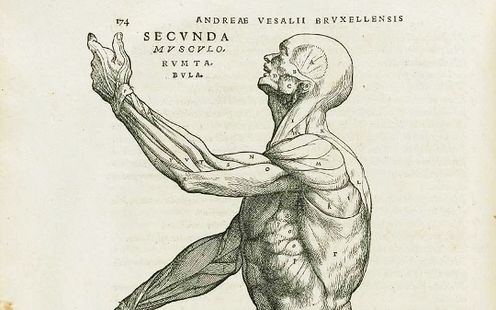
Drawn directly from the flesh Public Domain Review/
Flickr, CC BY-SA

By Richard Gunderman, Indiana University-Purdue University


Let 'er rip! Simon James, CC BY-SA

By Siobhan Weare, Lancaster University


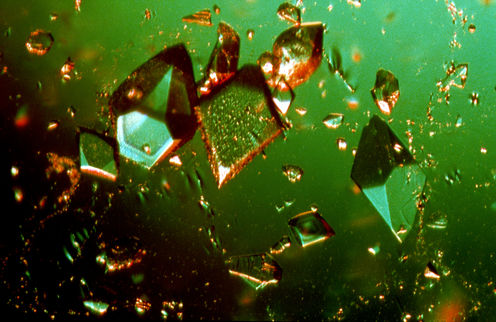
2014: the year crystallography went mainstream. CSIRO, CC BY-SA

By Mark Lorch, University of Hull

’Tis the season for listicles rounding up the stories of the year.

So with, the authority vested in me, here is a selection of six top, bottom and forgotten science stories of 2014.


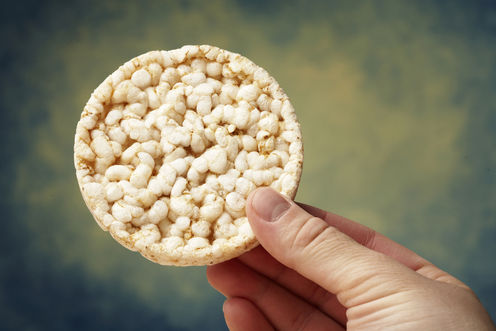
Puffed rice with a bit of poison. Shutterstock

By Andy Meharg, Queen's University Belfast

There are two sides to rice: the grain that feeds half the world – and the primary carcinogenic source of inorganic arsenic in our diet.

Arsenic is a natural occurring element that is ubiquitous in the environment. It is present primarily as inorganic arsenic, which is highly toxic.


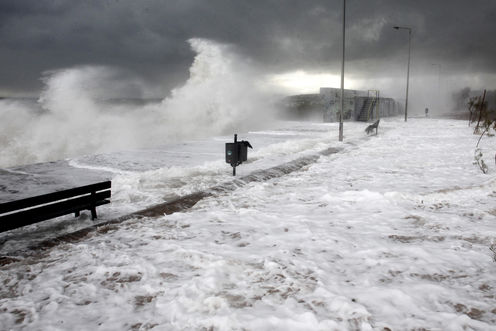
Extreme weather is more common than ever. EPA, CC BY-NC

By Mark Maslin, University College London

Climate change is one of the few scientific theories that makes us examine the whole basis of modern society.

It is a challenge that has politicians arguing, sets nations against each other, queries individual lifestyle choices, and ultimately asks questions about humanity’s relationship with the rest of the planet.


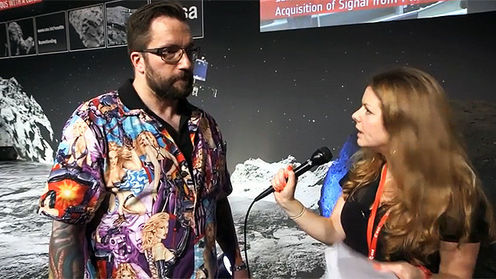
The shirt Matt Taylor wore while being interviewed about the Rosetta space mission set off a media and online shirtstorm. Youtube/ ESA

By Jamilla Rosdahl, University of the Sunshine Coast