Fake Banner
Theory Of Mind Is Wrong About Autistic People

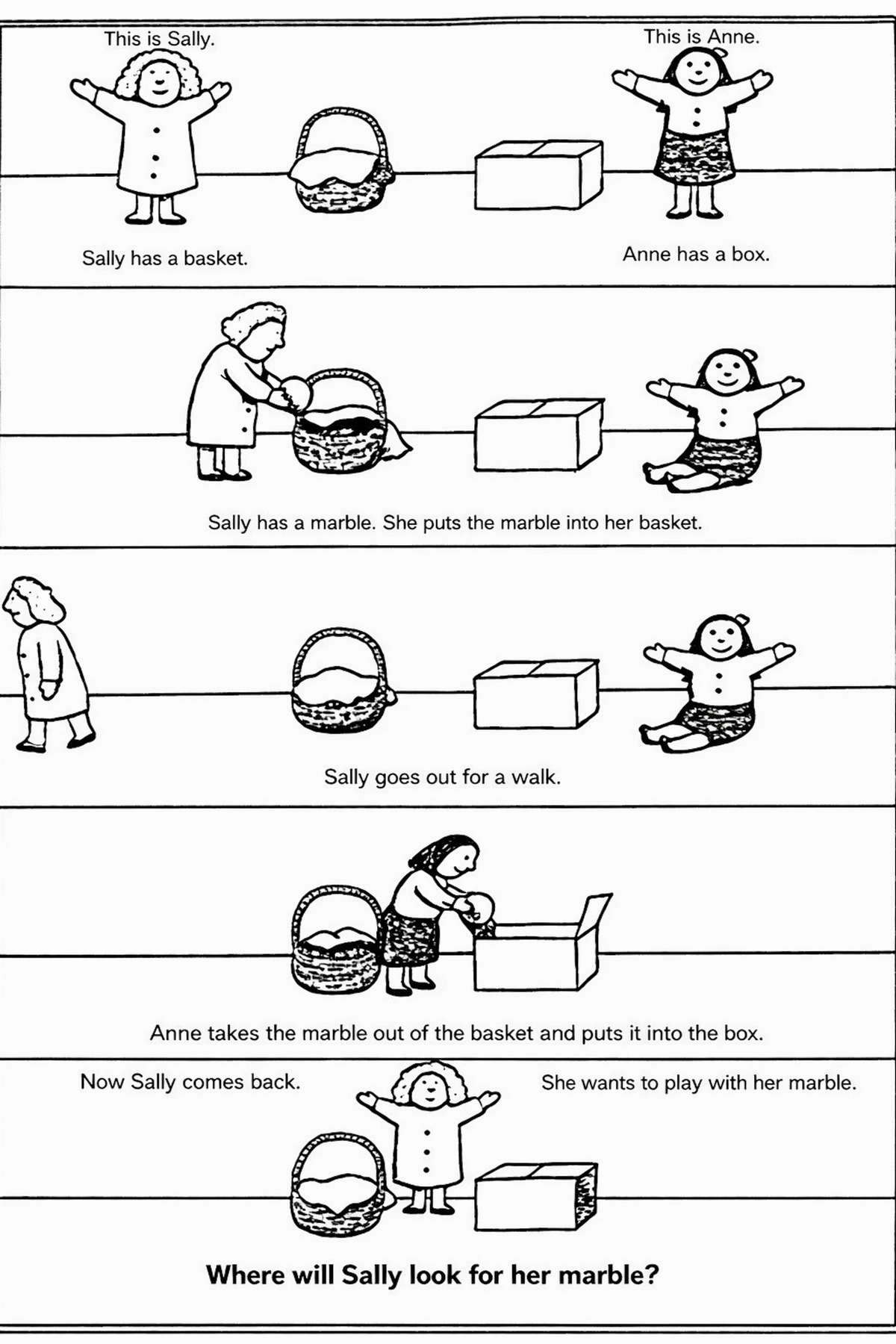
For four decades, a controversial idea has shaped how autism is understood by researchers, healthcare...

Bacteroides Fragilis May Be A Fifth Columnist Helping Colon Cancer In Your Body

The gut bacterium Bacteroides fragilis has long presented researchers with a paradox. It has been...

Losing Weight Improves The Heartbreak Of Psoriasis For Some

For many people living with psoriasis, the red, scaly skin patches are only part of the story....

Healthcare In Space - The First Medical Evacuation From The ISS

For the first time in 25 years of continuous crewed operations, an astronaut has been medically...

User picture.
The ConversationRSS Feed of this column.

The Conversation is an independent source of news and views, funded by the academic and research community and delivered direct to the public. The Conversation launched in Australia in March 2011.... Read More »

Blogroll

"You think you're in pain now, but this is not going to look good on Facebook tomorrow." Stefano Bolognini/National Museum of Denmark

By Arosha K Bandara, The Open University


All the better for hearing you with. Boris Roessler/EPA

By Victoria Ratcliffe, University of Sussex and David Reby, University of Sussex

Sometimes it may seem like your dog doesn’t want to listen.

But in our study, however, we’ve found that he may understand more than he lets on.


Braving the eye of the bomb. Danny Lawson/PA

By Edward Hanna, University of Sheffield

A dramatically-named “weather bomb” exploded across the UK in the past week, bringing winds gusting up to 144 mph on outlying islands.

But despite the cool name these “bombs” are more common than you might think.


How many kangaroos is too many? David Jenkins/Flickr, CC BY-NC-SA

By Brett Howland, Australian National University; David Lindenmayer, Australian National University, and Iain Gordon, James Hutton Institute


Not now! Roboscribe is busy creating a masterpiece (of heuristic analysis). gastev, CC BY

By Peter McOwan, Queen Mary University of London

The human race has long designed and used tools to help us solve problems, from flint axes to space shuttles. They affect our lives and shape society in expected and sometimes unexpected ways. We may understand how these tools work – after all, we built them – but sometimes it’s the use they’re put to that surprises.


Past your bedtime? Mikael Damkier/Shutterstock

By Elizabeth Englander, Bridgewater State University