Banner
Here's Where Your Backyard Was 300 Million Years Ago

We may use terms like "grounded" and terra firma to mean stability and consistency but geology...

Convergent Evolution Cheat Sheet Now 120 Million Years Old

One tenet of natural selection is a random walk of genes but nature may be more predictable than...

Synchrotron Could Shed Light On Exotic Dark Photons

There are many hypothetical particles proposed to explain dark matter and one idea to explore how...

The Pain Scale Is Broken But This May Fix It

Chronic pain is reported by over 20 percent of the global population but there is no scientific...

User picture.
News StaffRSS Feed of this column.

News Releases From All Over The World, Right To You... Read More »

Blogroll
Cancer vaccines turn the body's own immune system specifically against tumor cells and one area of study are vaccines that are directed against neoantigens, proteins that have undergone a genetic mutation in tumor cells and are therefore different than counterparts in healthy cells.
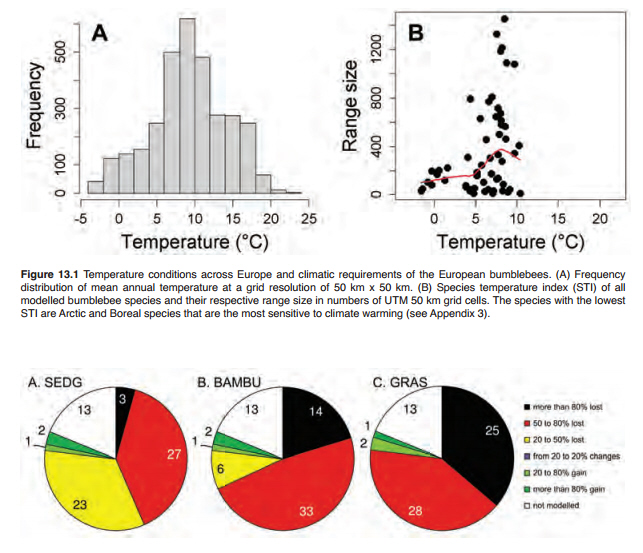
In 2006, a somewhat common yet unpredictable decline in bees occurred, just as had happened in previous decades and leading back as long as anecdotal records have been kept. While scientists tried to determine the cause, various constituents rushed to lay blame for this new short-term decline on various environmental factors. The science consensus was that it was parasites but while the investigation was ongoing, the European Union wanted to know if it was due to a newer class of pesticides, called neonicotinoids, that had been introduced as a safe alternative a decade earlier, due to a mass die-off of bees.

Bee numbers have rebounded nicely but the report says they are not out of the woods yet.
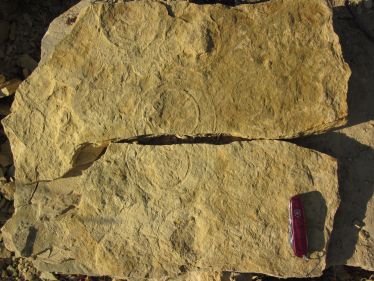
The origin of curious ring-like structures that formed half a billion years ago on a seabed in Wisconsin is an ancient unsolved riddle and academics would like you to help them figure it out.

It makes sense, since it was citizen scientist paleontologists that discovered the almost perfectly circular rings some 30 years ago.

Nigel Hughes, a professor of paleobiology in the Department of Earth Sciences at the University of California, Riverside, wants to know if they are the result of a physical process or the activity of an ancient organism - and a cool $500 is in it if you do what the pros cannot.

A team of archaeologists and other researchers hope that an ancient graveyard in Italy can yield clues about the deadly bacterium that causes cholera.

The researchers are excavating the graveyard surrounding the abandoned Badia Pozzeveri church in the Tuscany region of Italy. The site contains victims of the cholera epidemic that swept the world in the 1850s, said Clark Spencer Larsen, professor of anthropology at The Ohio State University and one of the leaders of the excavation team. Archaeologists and their students have spent the past four summers painstakingly excavating remains in a special section of the cemetery used for cholera victims.

Using Twitter can help physicians be better prepared to answer questions from their patients, according to researchers from the University of British Columbia. This challenges common opinion that physicians are reluctant to jump on the social media bandwagon.

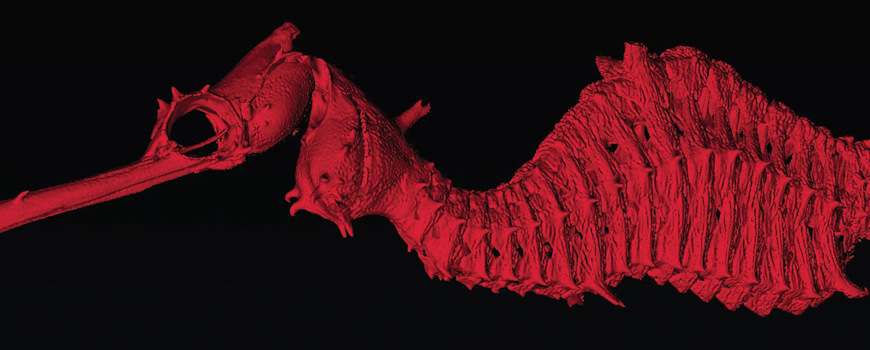
Make way for a new color under the sea. The orange tint in Leafy Seadragons and the yellow and purple hues of Common Seadragons is now getting some red: Scientists have discovered a new species named Phyllopteryx dewysea, which means Ruby Seadragon.

The discovery was made while researching the two known species of seadragons as part of an effort to understand and protect the exotic and delicate fish. Using DNA and anatomical research tools, University of California - San Diego graduate student Josefin Stiller and marine biologists Nerida Wilson of the Western Australia Museum (WAM) and Greg Rouse of Scripps Oceanography found evidence for the new species while analyzing tissue samples.