Banner
Here's Where Your Backyard Was 300 Million Years Ago

We may use terms like "grounded" and terra firma to mean stability and consistency but geology...

Convergent Evolution Cheat Sheet Now 120 Million Years Old

One tenet of natural selection is a random walk of genes but nature may be more predictable than...

Synchrotron Could Shed Light On Exotic Dark Photons

There are many hypothetical particles proposed to explain dark matter and one idea to explore how...

The Pain Scale Is Broken But This May Fix It

Chronic pain is reported by over 20 percent of the global population but there is no scientific...

User picture.
News StaffRSS Feed of this column.

News Releases From All Over The World, Right To You... Read More »

Blogroll

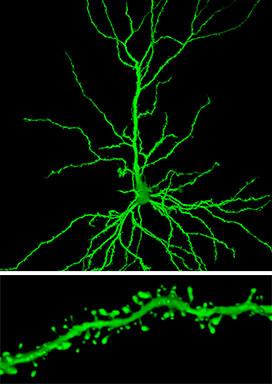
In some cases, seniors begin to show memory decline and cloudy judgment and researchers have correlated that to lost and altered connections between neurons in the brain.

A new study finds that riluzole, currently on the market as a treatment for Lou Gehrig's Disease (Amyotrophic lateral sclerosis - ALS) may help prevent these changes. The team found they could stop normal, age-related memory loss in rats by treating them with riluzole. This treatment, they found, prompted changes known to improve connections, and as a result, communication, between certain neurons within the brain's hippocampus.

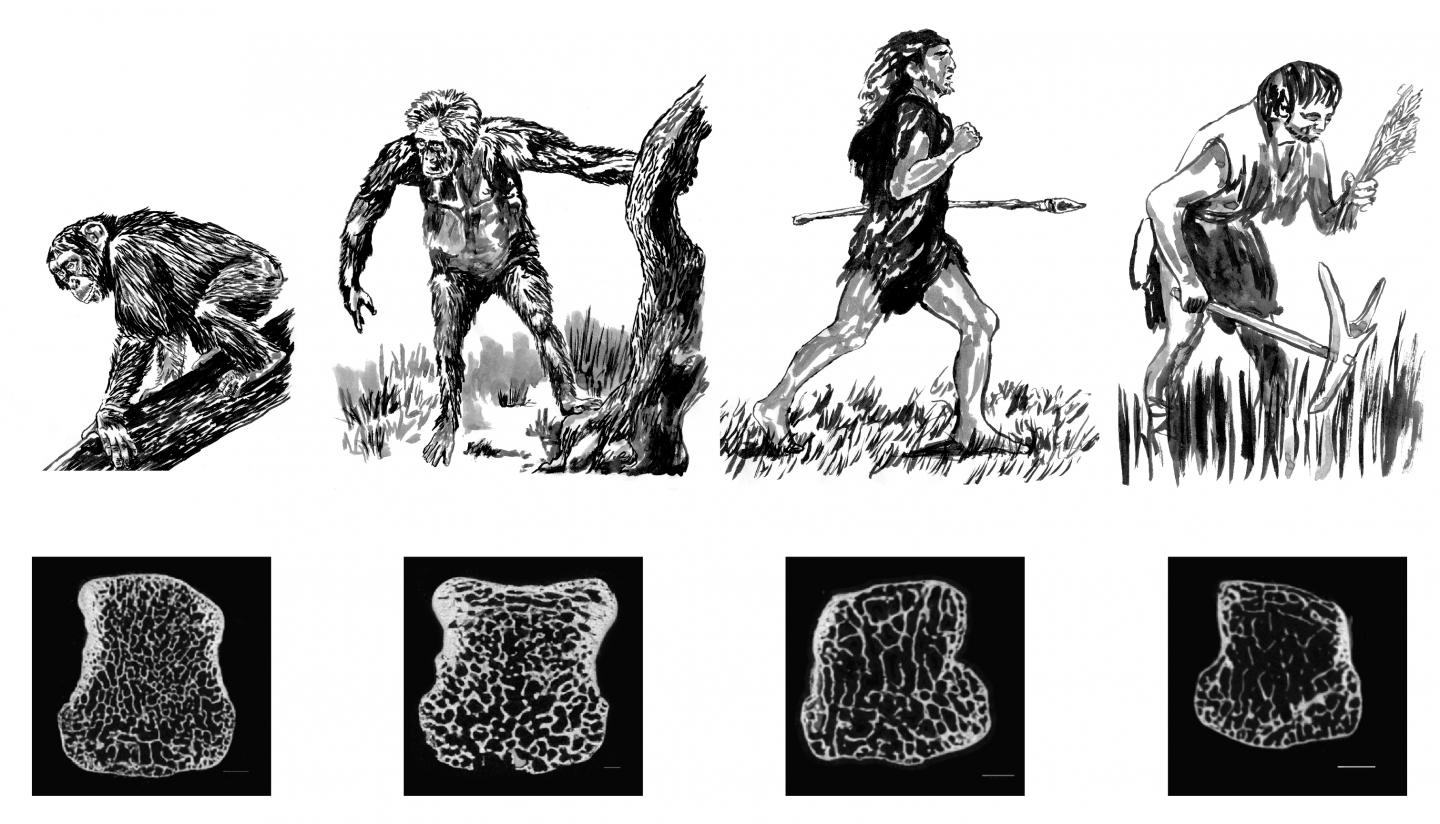
Modern human skeletons, with our lightly-built form, evolved only relatively recently, after the start of the Holocene about 12,000 years ago and even more recently in some human populations, according to a study that used high-resolution imaging of bone joints from modern humans and chimpanzees as well as from fossils of extinct human species.

For millions of years, extinct human predecessors had high bone density. A higher decrease in the density of lower limbs than in that of the upper limbs suggests that the transformation may be linked to humans' shift from a foraging lifestyle to a sedentary agricultural one.

No one in business can figure out what an 'SEO expert' is - in most cases it is simply the person who knows the password to the Facebook account. A new study finds that it may be better to have less popular people rather than marketing experts talking about your fundraising efforts, because people with fewer friends on Facebook raise more money for charity than those with lots of connections. 

Professor Kimberley Scharf, economist at the University of Warwick, analyzed data from JustGiving.com and found a negative correlation between the size of a group and the amount of money given by each donor - with the average contribution by each person dropping by two pence for every extra connection someone had on Facebook. 

Previous studies of hair loss have identified signals from the skin that help prompt new phases of hair growth and a new study reveals a new way to spur hair growth. 

Today is the day when a whole lot of people will be exchanging gifts that don't fit or they don't want, and maybe buying something they did want.

It's the perfect time to think about gift exchanges. Gift exchanges can reveal how people think about others, what they value and enjoy, and how they build and maintain relationships. Researchers are exploring various aspects of gift-giving and receiving, such as how givers choose gifts, how gifts are used by recipients, and how gifts impact the relationship between givers and receivers. 

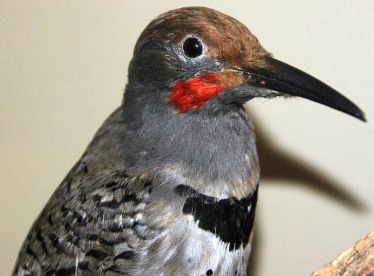
 Edentulism, the absence of teeth, has evolved on multiple occasions within vertebrates including birds, turtles, and a few groups of mammals such as anteaters, baleen whales and pangolins, but where early birds are concerned, the fossil record is fragmentary.

A question that has intrigued biologists is whether teeth were lost in the common ancestor of all living birds or convergently in two or more independent lineages of birds.

A research team using the degraded remnants of tooth genes in birds to determine when birds lost their teeth believes that teeth were lost in the common ancestor of all living birds more than 100 million years ago.