Banner
Here's Where Your Backyard Was 300 Million Years Ago

We may use terms like "grounded" and terra firma to mean stability and consistency but geology...

Convergent Evolution Cheat Sheet Now 120 Million Years Old

One tenet of natural selection is a random walk of genes but nature may be more predictable than...

Synchrotron Could Shed Light On Exotic Dark Photons

There are many hypothetical particles proposed to explain dark matter and one idea to explore how...

The Pain Scale Is Broken But This May Fix It

Chronic pain is reported by over 20 percent of the global population but there is no scientific...

User picture.
News StaffRSS Feed of this column.

News Releases From All Over The World, Right To You... Read More »

Blogroll

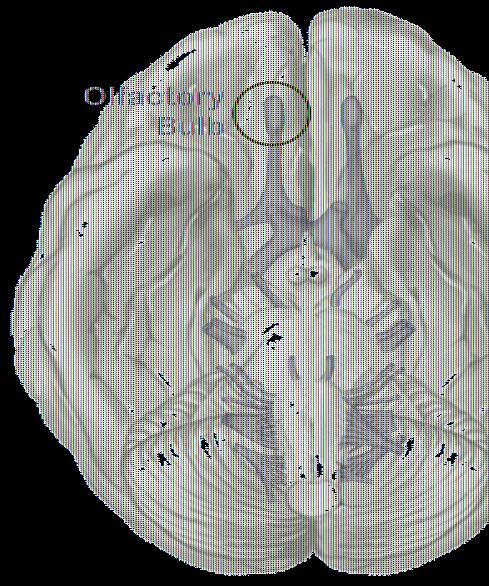
When it comes to our senses, there is a lot of diversity in people. One person might have 10X the taste buds on their tongue as another person, for example, so they are more sensitive to bitters and sweets. But is there a quantifiable gender difference in the ability to hear or taste?

A new paper says women smell better than men - not as in their odor, but in their ability to detect and evaluate odors. If so, they postulate that sex differences in olfactory detection may play a role in differentiated social behaviors and may be connected to one's perception of smell, which is naturally linked to associated experiences and emotions.

The big question is whether or not any olfactory superiority is cognitive or emotional rather than perceptual.  

Each year nearly 2,000,000 Americans suffer osteoporosis-related fractures but after it happens, 53 percent of women received Dual X-ray Absorptiometry, the preferred technique for measuring bone mineral density and therefore osteoporosis, compared with only 18 percent of men. 

As the population ages, fractures are expected to increase dramatically, placing a major burden on the health care system and a new study from Beth Israel Deaconess Medical Center (BIDMC) suggests that bias against men in favor of post-menopausal women will lead to lower quality of care and higher costs.

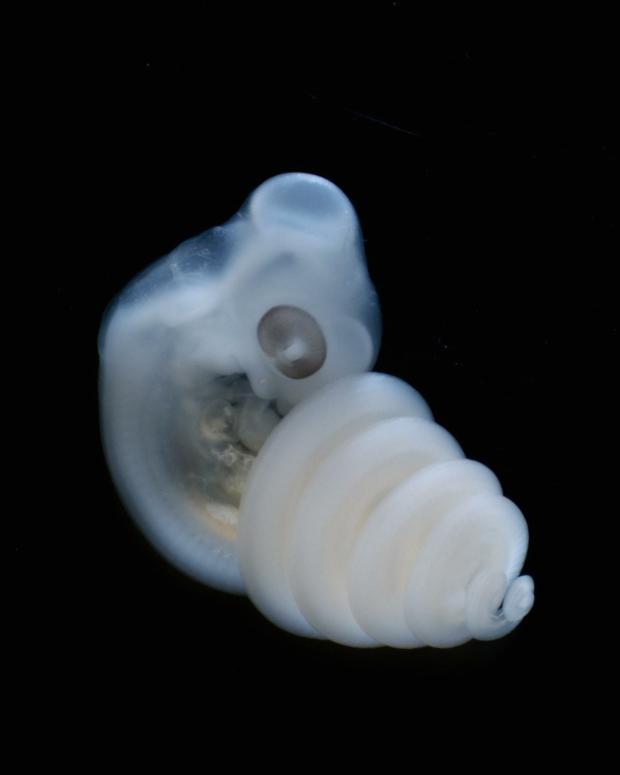
Nature enjoys variety, that is why it seems like evolution must have been drinking during the creation of some of the crazier things in biology. 

There is no intelligent reason why snakes and lizards have two genitalia while birds and people have one - or why the former group's paired structures are located somewhat at the level of the limbs while with humans and birds it appears a bit further down. In fact, snake and lizard genitalia are derived from tissue that gives rise to hind legs, while mammalian genitalia are derived from the tail bud. But despite such noteworthy contrasts, these structures are functionally analogous and express similar genes. 

How do these equivalent structures arise from different starting tissues? 

Fashion and beauty magazines are tremendously successful, as are television ad campaigns where women who are 5'10" and weigh 120 lbs. model jeans. Clearly, most women do not look like that and never will, so why do they buy magazines and clothes that remind them of it?

While critics insist that Americans, the fattest people on the planet, are under too much pressure to be thin, the truth is instead that they like role models, no differently than how some parents will buy a particular magazine if it has a female scientist on the cover.

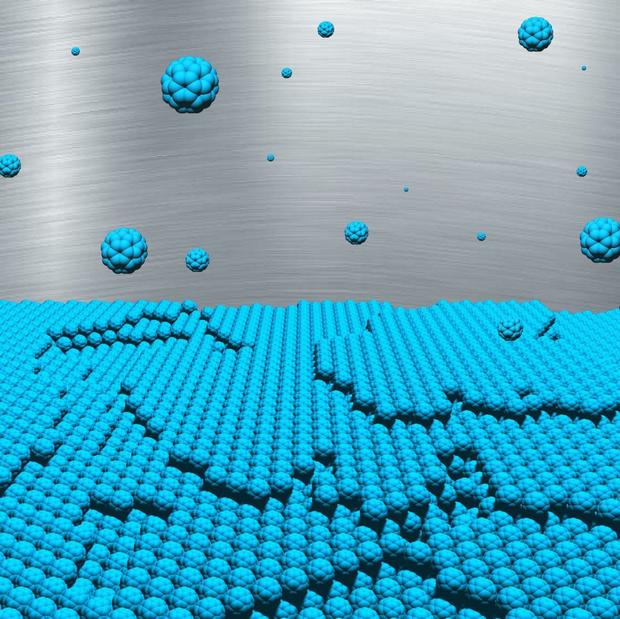
Researchers have witnessed how football-shaped carbon molecules known as
buckyballs
arrange themselves into ultra-smooth layers, all in real time, and by piecing that together with theoretical simulations, the investigators believe they can advance the field of plastic electronics. 

Buckyballs are spherical molecules which consist of 60 carbon atoms (C60), named such because they are reminiscent of American architect Richard Buckminster Fuller's geodesic domes. With their structure of alternating pentagons and hexagons, they also resemble tiny molecular footballs.

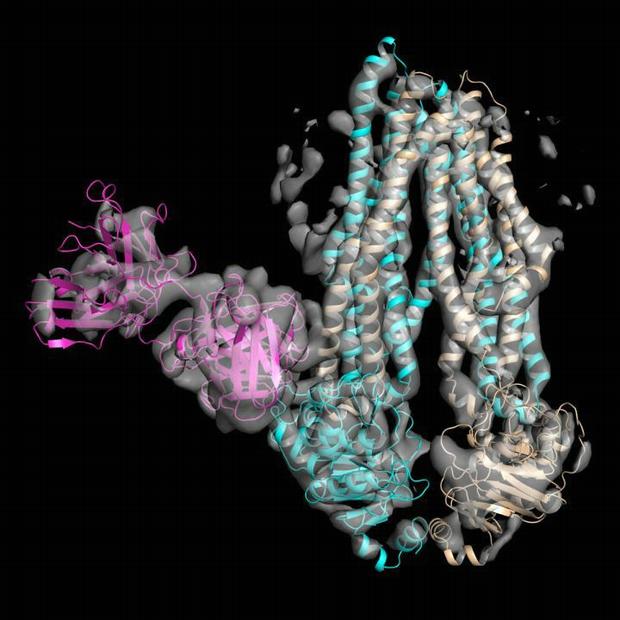
The structure of an asymmetrical ABC transporter complex has been determined with the aid of a high-resolution cryo-electron microscope.

ABC transporters cause bacteria and other pathogens to become resistant to antibiotics. They can also help cancer cells to defend themselves against cytostatic agents and thus determine whether chemotherapy will succeed.   

"ABC transporters causes diseases such as cystic fibrosis, while on the other hand they are responsible for the immune system recognising infected cells or cancer cells," explains Professor Robert Tampé from the Institute for Biochemistry at the Goethe University.