Banner
Here's Where Your Backyard Was 300 Million Years Ago

We may use terms like "grounded" and terra firma to mean stability and consistency but geology...

Convergent Evolution Cheat Sheet Now 120 Million Years Old

One tenet of natural selection is a random walk of genes but nature may be more predictable than...

Synchrotron Could Shed Light On Exotic Dark Photons

There are many hypothetical particles proposed to explain dark matter and one idea to explore how...

The Pain Scale Is Broken But This May Fix It

Chronic pain is reported by over 20 percent of the global population but there is no scientific...

User picture.
News StaffRSS Feed of this column.

News Releases From All Over The World, Right To You... Read More »

Blogroll

Human breast milk is nutrition for infants but it also contains a large number of bacterial species, including some opportunistic pathogens of humans. 

 Reperfusion injury prevention isn't possible just yet. The administration of an experimental agent known as TRO40303 to patients who have had a heart attack, with the hope of preventing tissue damage when impaired blood flow is corrected (reperfusion), was disappointingly ineffective, according to results of a European study of patients with acute ST-elevation myocardial infarction (STEMI) presented today at ESC Congress 2014 and published in the European Heart Journal.

Given the recent events in Ferguson, Missouri and the highly charged claims of racism, it is no surprise that a Washington State University study of deadly force found that there is bias when it comes to skin color and being willing to pull a gun trigger on someone.

What is a surprise is that whites and Hispanic were more likely to be shot than black people.

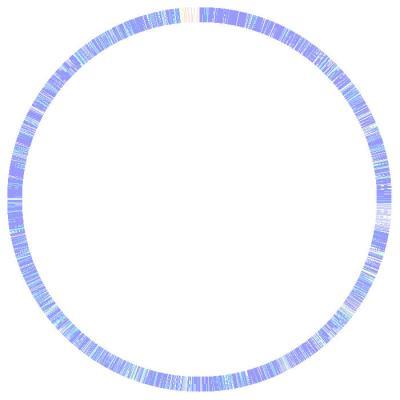
A strain of E. coli that is a common cause of outbreaks of food poisoning in the United States has had its genome sequenced. E. coli strain EDL933 was first isolated in the 1980s but gained national attention in 1993 when it was linked to an outbreak of food poisoning from Jack-in-the-Box restaurants in the western United States.

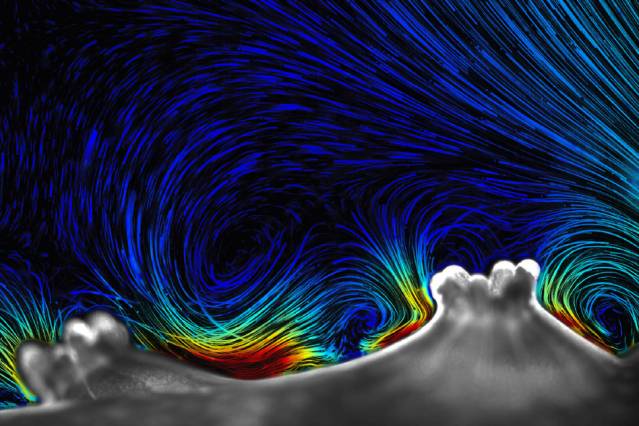
Corals, whose calcium-carbonate skeletons form the foundation of coral reefs, are passive organisms that rely entirely on ocean currents to deliver dissolved substances, such as nutrients and oxygen.

Or so it seemed. Scientists at MIT and the Weizmann Institute of Science (WIS) in Israel have found that they are far from passive, engineering their environment to sweep water into turbulent patterns that greatly enhance their ability to exchange nutrients and dissolved gases with their environment.
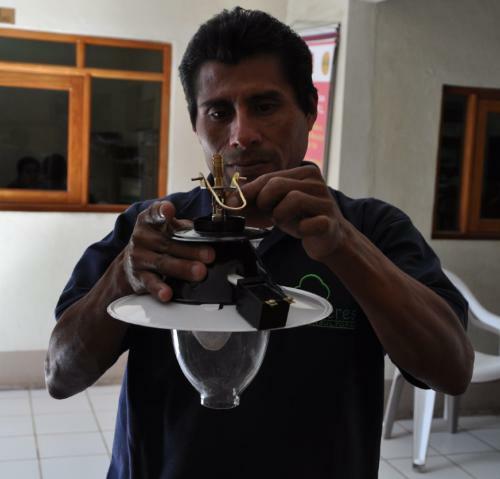
A four-year project on coffee wastewater treatment, The Energy from Coffee Wastewater project by UTZ Certified, has found that is possible to generate energy and protect water resources by treating discharges from coffee mills - maybe it will even tackle climate change.

The project started in 2010 with the goal of addressing what to do with the wastewater produced in the coffee industry. Tailor-made coffee wastewater treatment systems and solid-waste treatment mechanisms were installed in eight coffee farms in Nicaragua, ten in Honduras and one in Guatemala. The positive impact of the project on over 5,000 people in the region has inspired UTZ Certified to replicate the initiative in other countries.