It seems like common sense, right? We don't allow cigarettes on TV because the risk to impressionable younger people is greater than it is with adults. Adolescents who have high levels of exposure to television programs that contain sexual content are twice as likely to be involved in a pregnancy over the following three years as their peers who watch few such shows, according to a new RAND Corporation study.
The study, published in the November edition of the journal Pediatrics, is the first to establish a link between teenagers' exposure to sexual content on TV and either pregnancies among girls or responsibility for pregnancies among boys.
Researchers in Spain writing in the Journal of Proteome Research report deep new insights into how evolution changes the biochemistry of living things, helping them to adapt to new environments. Their study, based on an analysis of proteins produced by two populations of marine snails, reveals chemical differences that give one population a survival-of-the fittest edge for life in its cold, wave-exposed environment.
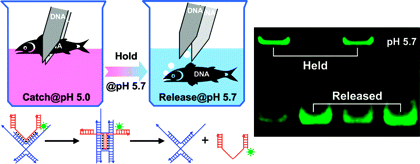
Researchers in China writing in Journal of the American Chemical Society are reporting development of a new DNA "tweezers" that are the first of their kind capable of grasping and releasing objects on-demand. The microscopic tweezers could have several potential uses, the researchers note. Those include microsurgery, drug and gene delivery for gene therapy, and in the manufacturing of nano-sized circuits for futuristic electronics.
By playing it safe and using a two-pronged attack, a novel designer molecule, created and tested by an international team of researchers, fights malignant melanoma. The substance is similar to components of viruses in that they alert the immune system so the body's own defenses are also strengthened against cancer cells in the process. But it also puts pressure on the tumor in a different way; it switches off a specific gene in the malignant cells, driving them to suicide. With mice suffering from cancer, the researchers have thus been able to fight metastases in the lung, they report in Nature Medicine's November issue.
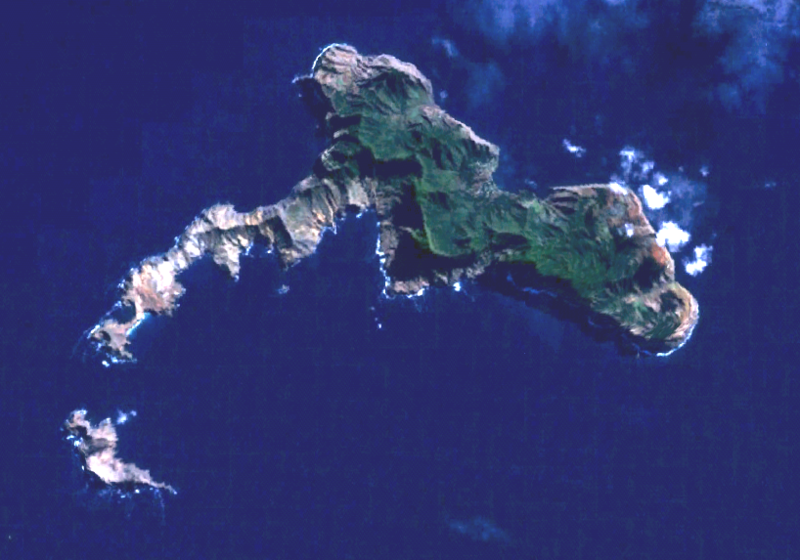
Cast away on a desert island, surviving on what nature alone can provide, praying for rescue but fearing the sight of a boat on the horizon. Just the imaginative creations of Daniel Defoe in his famous novel "Robinson Crusoe?" There has long been a theory that it was based on the real-life experience of sailor Alexander Selkirk, marooned in 1704 on a small tropical island in the Pacific for more than four years, and now archaeological evidence has been found to support contemporary records of his existence on the island.
Scientists in Italy have found bacteria in the root of a tropical grass whose oils have been used in the cosmetic and perfumery industries. These bacteria seem to promote the production of essential oils, but also they change the molecular structure of the oil, giving it different flavours and properties: termicidal, insecticidal, antimicrobial and antioxidant.


 Pilot Study: Fibromyalgia Fatigue Improved By TENS Therapy
 High Meat Consumption Linked To Lower Dementia Risk
 Long Before The Inca Colonized Peru, Natives Had A Thriving Trade Network
 Mesolithic People Had Meals With More Tradition Than You Thought