Banner
Pilot Study: Fibromyalgia Fatigue Improved By TENS Therapy

Fibromyalgia is the term for a poorly-understood condition where people experience pain and fatigue...

High Meat Consumption Linked To Lower Dementia Risk

Older people who eat large amounts of meat have a lower risk of dementia and cognitive decline...

Long Before The Inca Colonized Peru, Natives Had A Thriving Trade Network

A new DNA analysis reveals that long before the Incan Empire took over Peru, animals were...

Mesolithic People Had Meals With More Tradition Than You Thought

The common imagery of prehistoric people is either rooting through dirt for grubs and picking berries...

User picture.
News StaffRSS Feed of this column.

News Releases From All Over The World, Right To You... Read More »

Blogroll

You may have seen it last week. There were charges of fraud levelled at the Obama campaign because donations from names like 'Doodad Pro' were not reported by his campaign. In the last election, there were claims that Republicans invoked anti-fraud measures to suppress legitimate voting by groups that tend to vote Democratic.

In both cases, there was more hyperbole than substance. There is fraud, but the immediacy of the internet has magnified it into being much more substantial than it is and University at Buffalo Law School Professor James A. Gardner cautions against giving too much importance to charges of voter fraud in American elections and supposed incompetence in administering elections. The process in the overwhelming majority of elections, he says, is working well.

Babies make sense of the world long before they can talk, says Brigham Young University psychology professor and study author Ross Flom. Their new study shows that even babies as young as five months can distinguish an upbeat tune, like Beethoven’s “Ode to Joy” from the Ninth Symphony, from gloomier compositions like that minor key stuff by Chopin(1).

By age nine months, babies can also do the opposite and pick out the sorrowful sound of Beethoven’s Seventh Symphony from a pack of happy pieces.

What's the worst that could happen after eating a slice of pepperoni pizza? A little heartburn, for most people.

But for up to a million women in the U.S., enjoying that piece of pizza has painful consequences. They have a chronic bladder condition that causes pelvic pain. Spicy food -- as well as citrus, caffeine, tomatoes and alcohol-- can cause a flare in their symptoms and intensify the pain. It was thought that the spike in their symptoms was triggered when digesting the foods produced chemicals in the urine that irritated the bladder.

However, researchers from Northwestern University's Feinberg School of Medicine believe the symptoms -- pain and an urgent need to frequently urinate -- are actually being provoked by a surprise perpetrator. Applying their recent animal study to humans, the scientists believe the colon, irritated by the spicy food, is to blame.

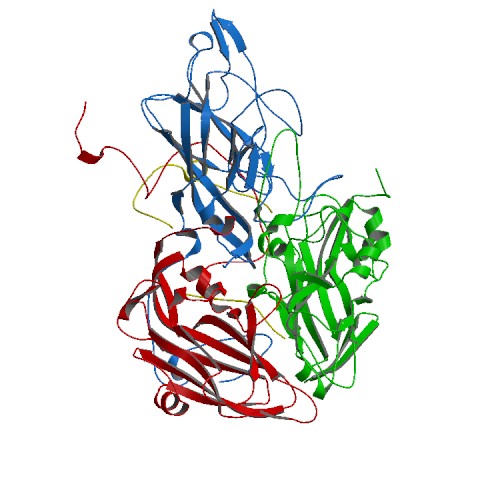
The Senecavirus is a "new" virus, discovered several years ago by Neotropix Inc., a biotech company in Malvern, Pennsylvania. It was at first thought to be a laboratory contaminant, but researchers found it was a pathogen, now believed to originate from cows or pigs. Further investigation found that the virus was harmless to normal human cells, but could infect certain solid tumors, such as small cell lung cancer, the most common form of lung cancer.

Scientists at Neotrophix say that, in laboratory and animal studies, the virus demonstrates cancer-killing specificity that is 10,000 times higher than that seen in traditional chemotherapeutics, with no overt toxicity. The company has developed the "oncolytic" virus as an anti-cancer agent and is already conducting early phase clinical trials in patients with lung cancer.

Proteins found in sperm are central to understanding male infertility and could be used to determine new diagnostic methods and fertility treatments according to a paper published by the journal Molecular and Cellular Proteomics (MCP). The article demonstrates how proteomics, a relatively new field focusing on the function of proteins in a cell, can be successfully applied to infertility, helping identify which proteins in sperm cells are dysfunctional.

"Up to 50 percent of male-factor infertility cases in the clinic have no known cause, and therefore no direct treatment. In-depth study of the molecular basis of infertility has great potential to inform the development of sensitive diagnostic tools and effective therapies," write co-authors Diana Chu, assistant professor of biology at San Francisco State University and Tammy Wu, post-doctoral fellow at SF State. The study is included in a special Oct. 10 issue of MCP dedicated to the clinical application of proteomics.

Researchers from Ohio State say that wetlands in tropical areas are able to absorb and hold onto about 80 percent more carbon than wetlands in temperate zones.

The scientists extracted soil cores from wetlands in Costa Rica and in Ohio and analyzed the contents of the sediment from the past 40 years. Based on their analysis, they estimated that the tropical wetland accumulated a little over 1 ton of carbon per acre per year, and the temperate wetland accumulated .6 tons of carbon per acre per year.

The temperate Ohio wetland in the study covers almost 140 acres, meaning it sequesters 80 tons of carbon per year. The tropical wetland covers nearly 290 acres and stores 300 tons of carbon each year.