Banner
Convergent Evolution Cheat Sheet Now 120 Million Years Old

One tenet of natural selection is a random walk of genes but nature may be more predictable than...

Synchrotron Could Shed Light On Exotic Dark Photons

There are many hypothetical particles proposed to explain dark matter and one idea to explore how...

The Pain Scale Is Broken But This May Fix It

Chronic pain is reported by over 20 percent of the global population but there is no scientific...
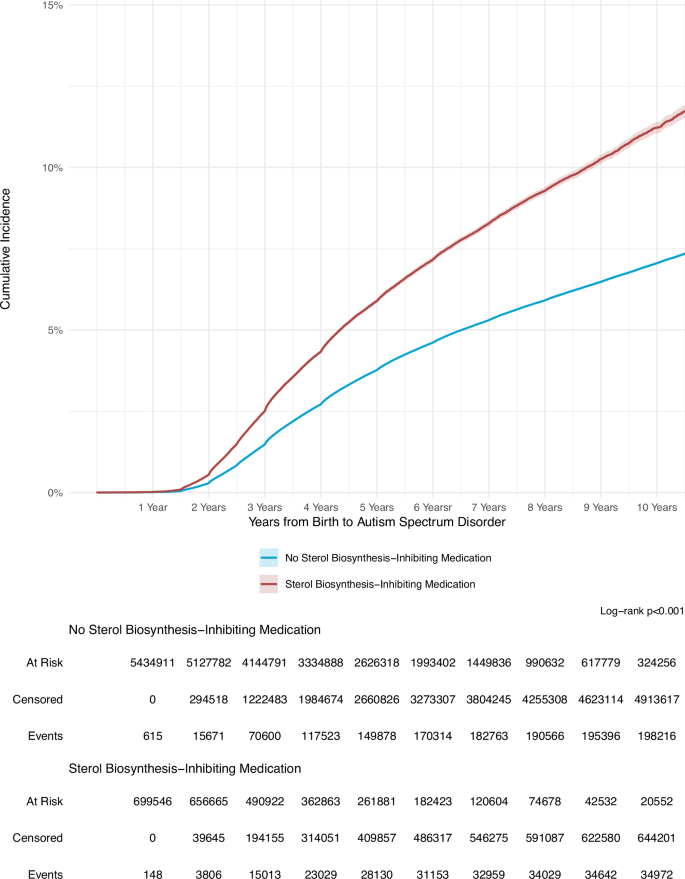
Study Links Antidepressants, Beta-blockers and Statins To Increased Autism Risk

An analysis of 6.14 million maternal-child health records  has linked prescription medications...

User picture.
News StaffRSS Feed of this column.

News Releases From All Over The World, Right To You... Read More »

Blogroll

Researchhas linked the abnormal behavior of two genes (BDNF and DTNBP1) to the underlying cause of schizophrenia. These findings have provided a new target for schizophrenia treatment.

Schizophrenia is a devastating mental disorder that affects nearly 1% of the total human population. The dominant cause of the disorder lies in impaired brain development that eventually leads to imbalanced signals within the brain. This imbalance within the brain is thought to cause hallucinations and paranoia in people with schizophrenia.

In this age of the 24-hour news cycle, instant access to all information everywhere, PubMed, LinkedIn, Facebook, Twitter and hundreds of other ways to glean and share knowledge beyond the traditional stack of printed journals delivered to their door, physicians continue to struggle to arm themselves with the most effective therapies.

Fast access to information may result in practice change; however, subsequent data may disprove effectiveness and require even more practice change. The cycle may continue over several years and several studies, with the potential for missed information growing with each practice-change decision.

Researchers have identified for the first time the triple mechanism that stops chromosome separation in response to situations that compromise the integrity of the genetic information. The loss of this response capacity is characteristic of cancerous cells.

Cell proliferation requires the chromosomes to be copied (replicated) and distributed (segregated) to the two future daughter cells. Cells continually undergo spontaneous alterations (injuries) to the DNA that makes up the chromosomes, because of their aqueous (reactive) environment, for example. In response to DNA injuries, cells put a stop to the cell division cycle, in order to allow time for the injuries to be repaired and prevent the transmission of damaged, incompletely replicated chromosomes.

A new study has found that the Africanized honey bee, an aggressive hybrid of the European honey bee, is continuing to expand its range northward since its introduction into Southern California in 1994. 

The paper in PLOS ONE showed that more than 60 percent of the foraging honey bees in San Diego County are Africanized and that Africanized bees can now be found as far north as California's delta region. 

"Our study shows that the large majority of bees one encounters in San Diego County are Africanized and that most of the bees you encounter are from feral colonies, not managed hives," said Joshua Kohn, a professor of biology at U.C. San Diego, who headed the study. 

Neural stem cells generate new neurons throughout life in the mammalian brain. However, with advancing age the potential for regeneration in the brain dramatically declines. Scientists from the University of Zurich now identified a novel mechanism of how neural stem cells stay relatively free of aging-induced damage.

A diffusion barrier regulates the sorting of damaged proteins during cell division.

New research shows that current and former users of marijuana are more likely to have the poorly-named prediabetes, poor blood sugar that might progress to type 2 diabetes, thanpeople who have never used marijuana.