Banner
Here's Where Your Backyard Was 300 Million Years Ago

We may use terms like "grounded" and terra firma to mean stability and consistency but geology...

Convergent Evolution Cheat Sheet Now 120 Million Years Old

One tenet of natural selection is a random walk of genes but nature may be more predictable than...

Synchrotron Could Shed Light On Exotic Dark Photons

There are many hypothetical particles proposed to explain dark matter and one idea to explore how...

The Pain Scale Is Broken But This May Fix It

Chronic pain is reported by over 20 percent of the global population but there is no scientific...

User picture.
News StaffRSS Feed of this column.

News Releases From All Over The World, Right To You... Read More »

Blogroll

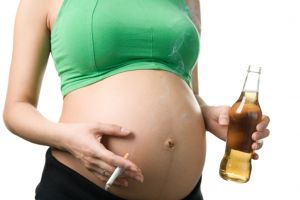
Though drinking alcohol while pregnant is considered a cultural no-no in the United States, that is not the case for other current and former British subjects. 
Data of almost 18,000 women in the UK, Ireland, Australia and New Zealand finds that 20% all the way up to almost 80% of those questioned drank during pregnancy, and across all social strata.
The prevalence of drinking alcohol ranged from 20% to 80% in Ireland, and from 40% to 80% in the UK, Australia, and New Zealand.

Women who smoked were more likely to drink alcohol as well.

Donuts, electric current and quantum physics - if you are a theoretical physicist interested in topological insulators, materials whose ability to conduct electric current originates in their topology, it makes perfect sense.

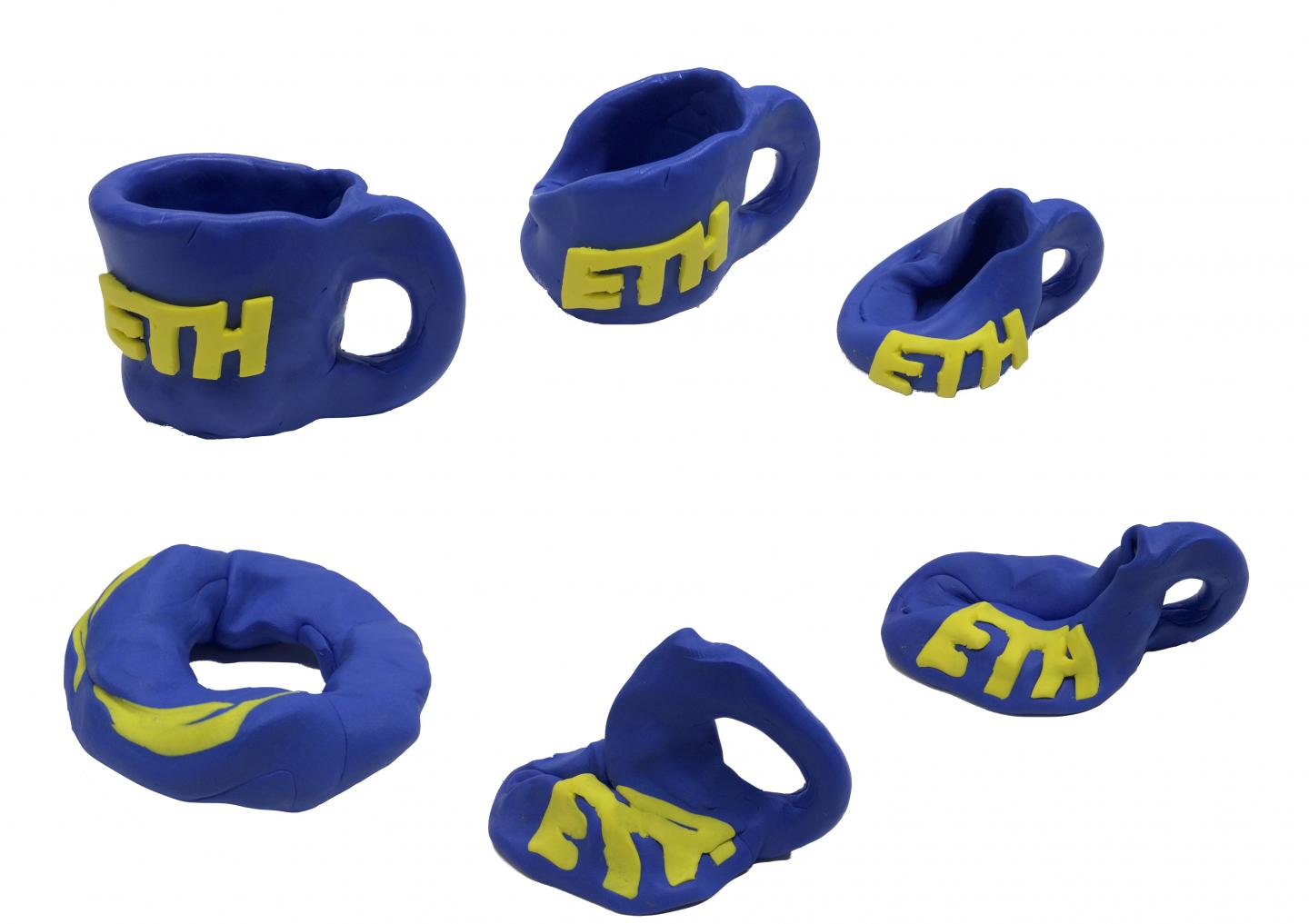
The easiest way to understand what "topological" means in this context is to imagine how a donut can be turned into a coffee cup by pulling, stretching and moulding - but without cutting it.

Topologically speaking, therefore, doughnuts and coffee cups are identical, and by applying the same principle to the quantum mechanical wave function of electrons in a solid one obtains the phenomenon of the topological insulator. This is advanced quantum physics, highly complex and far removed from everyday experience. 

Climate change models predict that sea temperatures will rise significantly, including in the tropics. In these areas, rainfall is also predicted to increase, reducing the salt concentration of the surface layer of the sea. Together, these changes would dramatically affect the microscopic communities of bacteria and plankton that inhabit the oceans, impacting species higher up the food chain. Worryingly, future conditions may favour disease-causing bacteria and plankton species which produce toxins, such as the lethal PST (paralytic shellfish toxin). These can accumulate in shellfish such as mussels and oysters, putting human consumers at risk.

Though pesticides are getting all of the attention from environmental groups when it comes to concern about bees, the science community instead knows it is mites and climate - were it as simple as pesticides, places like Australia and the United States, where the neonicotinoids often blamed by activists are common, would show losses, but instead they were limited to one section of Europe. 

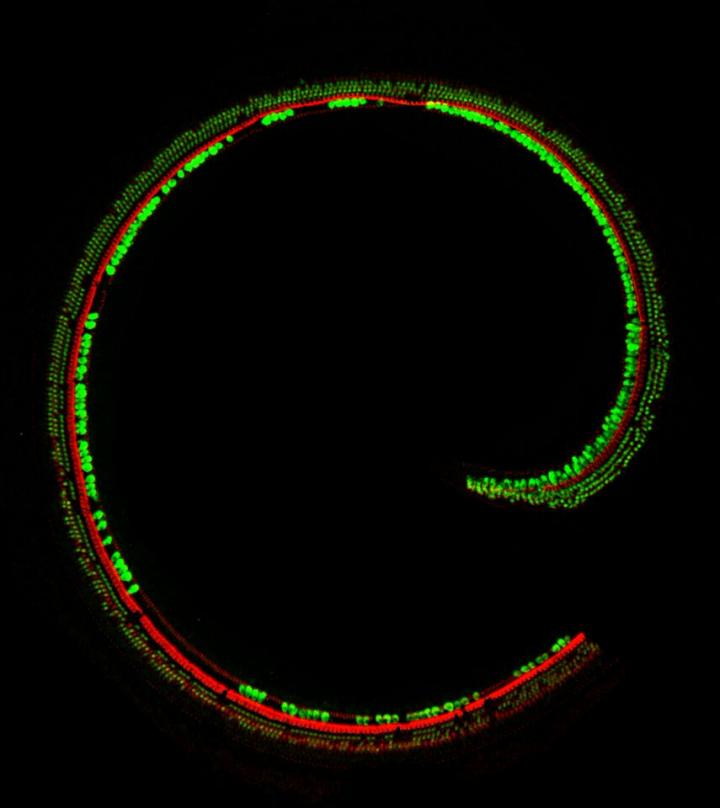
Using gene therapy, researchers at Boston Children's Hospital and Harvard Medical School have restored hearing in mice with a genetic form of deafness. Their work, published online July 8 by the journal Science Translational Medicine, could pave the way for gene therapy in people with hearing loss caused by genetic mutations.

"Our gene therapy protocol is not yet ready for clinical trials--we need to tweak it a bit more--but in the not-too-distant future we think it could be developed for therapeutic use in humans," says Jeffrey Holt, PhD, a scientist in the Department of Otolaryngology and F.M. Kirby Neurobiology Center at Boston Children's and an associate professor of Otolaryngology at Harvard Medical School.

They may be viewed by some as an invasive species or a commonplace pest of public parks, but a new study from the University of Exeter has shown that grey squirrels are actually quick learners capable of adapting tactics to improve efficiency and reap the best rewards.

To test the animals' intelligence and mental flexibility researchers invented a task involving a box with 12 sunken wells, four of which were hollow. Of the four, two contained hidden hazelnuts.

The five squirrels observed in the study (named Simon, Arnold, Sarah, Leonard and Suzy) were all given training prior to the task so they were proficient at using their paws or teeth to peel back the layer of paper hiding a nut inside the wells.