

Banner
The Scorched Cherry Twig And Other Christmas Miracles Get A Science Look

Bleeding hosts and stigmatizations are the best-known medieval miracles but less known ones, like ...

$0.50 Pantoprazole For Stomach Bleeding In ICU Patients Could Save Families Thousands Of Dollars

The inexpensive medication pantoprazole prevents potentially serious stomach bleeding in critically...
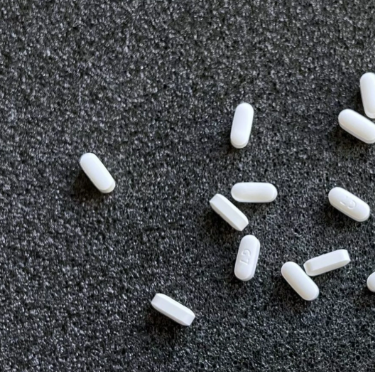
Metformin Diabetes Drug Used Off-Label Also Reduces Irregular Heartbeats

Adults with atrial fibrillation (AFib) who are not diabetic but are overweight and took the diabetes...

Your Predator: Badlands Future - Optical Camouflage, Now Made By Bacteria

In the various 'Predator' films, the alien hunter can see across various spectra while enabling...

User picture.
News StaffRSS Feed of this column.

News Releases From All Over The World, Right To You... Read More »

Blogroll

Cocaine abuse in the U.S. is widespread, with nearly 35 million Americans reporting having ever tried cocaine and an estimated 7.3 million users, including 15 percent of young adults ages 18 to 25, according to the National Institute on Drug Abuse.

Life-threatening emergencies related to cocaine use include sudden cardiac death, high blood pressure, stroke and acute myocardial infarctions.

UT Southwestern Medical Center researchers have discovered a treatment that counteracts the effects of cocaine on the human cardiovascular system, including lowering the elevated heart rate and blood pressure often found in cocaine users.

Robert Weinberg, MIT professor of biology and Whitehead Institute for Biomedical Research member, has created cancer stem cells in a Petri dish by isolating and transforming a particular population of cells from human breast tissue. After being injected with just 100 of these transformed cells, mice developed tumors that metastasized (spread to distant tissues).

“The operational definition of a cancer stem cell is the ability to initiate a tumor, so these are cancer stem cells,” declares Weinberg, who is also an MIT professor of biology.

Engineering these potent cells was not the original intent, says pathologist Tan Ince.

Two new studies may lead to the development of more effective therapies for individuals with multiple myeloma (MM), a common and incurable blood cell cancer. The research provides new insight into the molecular mechanisms that underlie aberrant NF-κB activity in MM tumor cells and underscores the relevance of the NF-κB signaling pathway as a target for MM therapy.

MM is a cancer of the plasma cell, a blood cell that produces antibodies to help the body fight off infections. Previous research implicates abnormal activation of the NF-κB signaling pathway as a key event in MM pathology. NF-κB target genes are known to be involved in cell proliferation and cell survival.

James Spivey, professor of chemical engineering at LSU, and Challa Kumar, group leader of nanofabrication at LSU’s Center for Advanced Microstructures and Devices, are working with Clemson University and Oak Ridge National Laboratories to boost the efficiency of ethanol.

Both the Department of Energy and Conoco-Phillips are behind the project and have invested $2.9 million.

“We’re working with our project partners to produce ethanol from a coal-derived syngas, a mixture of primarily carbon monoxide and hydrogen. The United States has tremendous reserves of coal, but converting it to affordable, clean fuels is a challenge – one that we are addressing in this DOE-funded project,” said Spivey.

In a study scheduled for publication in the August issue of the American Journal of Chinese Medicine, a team of kinesiologists at the University of Illinois suggest that older adults who adopt an exercise regimen combining Taiji ( western: T'ai Chi) and Qigong may get an extra boost from their annual flu shot.

“We have found that 20 weeks of Taiji can increase the antibody response to influenza vaccine in older adults,” said the study’s lead author Yang Yang, an adjunct professor of kinesiology and community health, and a Taiji master with 30-plus years of experience as a practitioner and instructor.

Researchers who use the TeraGrid, the nation’s most comprehensive and advanced infrastructure for open scientific research, can now leverage the computing resources of a powerful, 2048-processor BlueGene/L system at the National Center for Atmospheric Research (NCAR).

NCAR plans to provide up to 4.5 million processor-hours of BlueGene/L computing annually to researchers who have received computing grants from the National Science Foundation (NSF).

The operational integration of TeraGrid with the BlueGene/L system, nicknamed “frost,” involved extensive preparation by NCAR’s Computational and Information Systems Laboratory (CISL).






