Banner
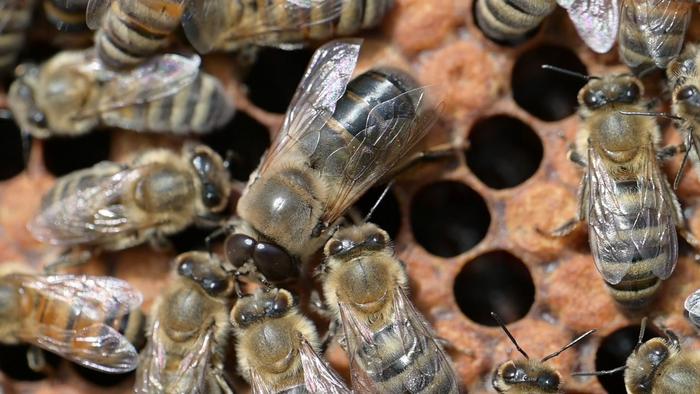
Males Are Genetically Wired To Beg Females For Food

Bees have the reputation of being incredibly organized and spending their days making sure our...

The Scorched Cherry Twig And Other Christmas Miracles Get A Science Look

Bleeding hosts and stigmatizations are the best-known medieval miracles but less known ones, like ...

$0.50 Pantoprazole For Stomach Bleeding In ICU Patients Could Save Families Thousands Of Dollars

The inexpensive medication pantoprazole prevents potentially serious stomach bleeding in critically...
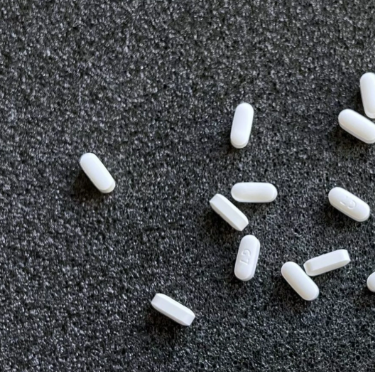
Metformin Diabetes Drug Used Off-Label Also Reduces Irregular Heartbeats

Adults with atrial fibrillation (AFib) who are not diabetic but are overweight and took the diabetes...

User picture.
News StaffRSS Feed of this column.

News Releases From All Over The World, Right To You... Read More »

Blogroll

Glycine is a non-essential amino acid used by the organism to synthesise proteins and is present in foods such as fish, meat or dairy products.

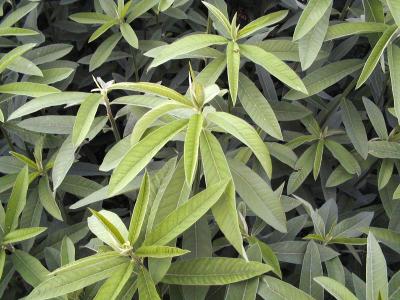
Within Southern Florida, soil and water conditions indicate potential for leaching from the use of atrazine-based herbicides in corn crops. Scientists from USDA-Agricultural Research Service (ARS) and University of Florida conducted studies to evaluate the specific groundwater risk from atrazine use by focusing on a specific cover crop that seems to have the potential to greatly reduce that risk. The crop is called sunn hemp. It’s a tall, herbaceous annual that grows rapidly to a height of 6 to 7 feet.

The region’s aquifer provides drinkable water for nearly all of the rapidly growing population. Agricultural practices that impair water quality may also stunt a massive project intended to restore the Florida Everglades ecosystem.

It's well known that physical exercise is good for the brain but what about when age takes away the ability to exercise as much? Can mental exercise close the gap?

Yes, say researchers at Yale. For the young and middle-aged, exercise is key but for older people either mental of physical enrichment is good.

The Yale neuroscientists randomly assigned 160 female mice who were young, middle-aged and old adults (about 3, 15, or 21 months old) to either an experimental (treatment) condition or a control group. Treatment conditions included cages where mice could exercise on running wheels, cages where they could play with toys, or cages with both for complex enrichment. The control mice cages were unadorned.

Last week, it was announced that drug addicts in England are to be given shopping vouchers for complying with treatment programs.

Rewarding patients to cooperate is not new, argues Tom Burns, a senior psychiatrist at Warneford Hospital in Oxford. Most mental health practitioners reward patients for “healthy” behavior and financial incentives are no different.

People who criticize money for medicines emphasize the “exploitation of impoverished patients” and worries about how patients would spend the money.

The discovery of a novel molecular switch that powerfully modulates nerve cell activity offers the potential for new mood disorder and epilepsy treatments, University of California, Irvine researchers report.

The researchers looked at the role of the natural substance cholecystokinin (CCK) in modulating communication between cells in the brain. CCK, originally isolated from the digestive tract, is one of the most abundant small proteins, or peptides, in the brain, and it is linked to psychiatric disorders such as anxiety, depression, and schizophrenia.

For years, scientists have searched in vain for slivers of the brain that might drive the dramatic differences between male and female behavior. Now biologists at Harvard University say these efforts may have fallen flat because such differences may not arise in the brain at all.

Rather, they say, the epicenter of sex-specific behavior in many species may be a small sensory organ found in the noses of all terrestrial vertebrates except higher primates.