

Banner
The Scorched Cherry Twig And Other Christmas Miracles Get A Science Look

Bleeding hosts and stigmatizations are the best-known medieval miracles but less known ones, like ...

$0.50 Pantoprazole For Stomach Bleeding In ICU Patients Could Save Families Thousands Of Dollars

The inexpensive medication pantoprazole prevents potentially serious stomach bleeding in critically...
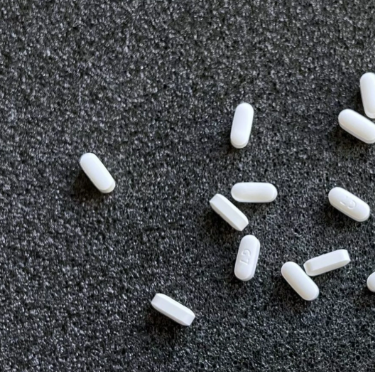
Metformin Diabetes Drug Used Off-Label Also Reduces Irregular Heartbeats

Adults with atrial fibrillation (AFib) who are not diabetic but are overweight and took the diabetes...

Your Predator: Badlands Future - Optical Camouflage, Now Made By Bacteria

In the various 'Predator' films, the alien hunter can see across various spectra while enabling...

User picture.
News StaffRSS Feed of this column.

News Releases From All Over The World, Right To You... Read More »

Blogroll

Insulin-dependent, or Type 1, diabetes is an autoimmune disease in which the body’s immune system attacks and destroys insulin and insulin-producing beta cells in the pancreas. Insulin is a hormone that is needed to convert sugar, starches and other food into energy.

Insulin typically is given through shots and not pills so the hormone can go straight into the bloodstream but a new method by Professor Henry Daniell’s research team may change that.

Their work involved genetically engineering tobacco plants with the insulin gene. They administered the freeze-dried plant cells to five-week-old diabetic mice in powder form for eight weeks. By the end of the study, the diabetic mice had normal blood and urine sugar levels, and their cells were producing normal levels of insulin.

About twice as many Atlantic hurricanes form each year on average than a century ago, according to a new statistical analysis of hurricanes and tropical storms in the north Atlantic. The study concludes that warmer sea surface temperatures (SSTs) and altered wind patterns associated with global climate change are fueling much of the increase.

"These numbers are a strong indication that climate change is a major factor in the increasing number of Atlantic hurricanes," says Greg Holland of the National Center for Atmospheric Research (NCAR).

The analysis identifies three periods since 1900, separated by sharp transitions, during which the average number of hurricanes and tropical storms increased dramatically and then remained elevated and relatively steady.

Decades ago a gene was discovered that was linked to the susceptibility of multiple scleroris (MS). Since then, the search has been on to uncover the puzzling mix of genes, environment and immunity that could aid in the treatment of the 350,000 people just in America who have the disease.

A pair of large-scale genetic studies supported by the National Institutes of Health has revealed two genes that influence the risk of getting MS.

"These studies describe the first genes conclusively linked to MS in more than 20 years," said Ursula Utz, Ph.D., a program director at the National Institute of Neurological Disorders and Stroke (NINDS), a part of NIH.

An enzyme found naturally in the blood could help protect soldiers against the effects of the deadly nerve agent sarin.

The US military is funding a three-year study to evaluate the effectiveness of the enzyme, known as GOT, in protecting animals against the damaging cognitive and coordination problems resulting from exposure to the organophosphorus nerve agent.

The study will be carried out by Israeli firm Braintact, and follows earlier unpublished work with rats which showed the enzyme successfully protected the animals against neurological problems caused by exposure to paraoxon, a model compound for nerve agents such as sarin, soman and VX.

Autopsies usually point to a cause of death but now a study of brain tissue collected from people who committed suicide may explain an underlying cause of major depression and suicide.

The international research group, led by Dr. Michael O. Poulter of Robarts Research Institute at The University of Western Ontario and Dr. Hymie Anisman of the Neuroscience Research Institute at Carleton University, says that proteins that modify DNA directly are more highly expressed in the brains of people who commit suicide, they write in Biological Psychiatry.

These proteins are involved in chemically modifying DNA in a process called epigenomic regulation.

"Human embryonic stem cells promise unrivalled opportunities. However, they are difficult, time-consuming and expensive to grow in the lab", says Dr. Chris Denning of Institute of Genetics, who is working on research looking at the process that turns a stem cell into a cardiomyocyte - the beating cell that makes up the heart.

The Nottingham researchers are developing a new system to monitor cardiomyocytes in real time as they differentiate from stem cells into beating heart cells. The system uses electrophysiology to record the electrical properties in a cell. The researchers hope that their research could provide more detailed information on the electrical activity of stem cell derived cardiomyocytes.





