Banner
The Scorched Cherry Twig And Other Christmas Miracles Get A Science Look

Bleeding hosts and stigmatizations are the best-known medieval miracles but less known ones, like ...

$0.50 Pantoprazole For Stomach Bleeding In ICU Patients Could Save Families Thousands Of Dollars

The inexpensive medication pantoprazole prevents potentially serious stomach bleeding in critically...
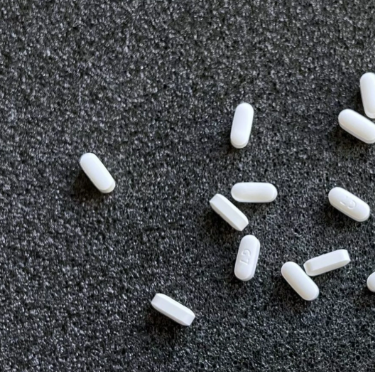
Metformin Diabetes Drug Used Off-Label Also Reduces Irregular Heartbeats

Adults with atrial fibrillation (AFib) who are not diabetic but are overweight and took the diabetes...

Your Predator: Badlands Future - Optical Camouflage, Now Made By Bacteria

In the various 'Predator' films, the alien hunter can see across various spectra while enabling...

User picture.
News StaffRSS Feed of this column.

News Releases From All Over The World, Right To You... Read More »

Blogroll

General Practitioners (GPs) are prescribing antibiotics for up to 80% of sore throat, otitis media, upper respiratory tract infections, and sinusitis cases, despite the fact that official guidance warns against this practice, according to an analysis of the world’s largest primary care database of consultations and prescriptions, published this week in a supplement to the Journal of Antimicrobial Chemotherapy.

Although prescriptions of antibiotics for respiratory tract infections declined during the 1990s, GPs still continue to prescribe antibiotics for a high proportion of infections even if the cause of the symptoms are likely to be viral.

Research now indicates that air pollution has a role to play in atherosclerosis (artery hardening), which can contribute to heart attacks or strokes. Findings published in Genome Biology show how the fats that clog arteries work together with air pollution particles, triggering the genes behind inflammation.

A research team drawn from medical and environmental engineering disciplines at the Universities of California, Los Angeles, investigated the relationship between oxidized phospholipids found in the low density lipoprotein (LDL) particles, the ‘bad’ fats that clog arteries, and diesel exhaust particles.

The "itch gene" is GRPR (gastrin-releasing peptide receptor), which codes for a receptor found in a very small population of spinal cord nerve cells where pain and itch signals are transmitted from the skin to the brain. The researchers, led by Zhou-Feng Chen, Ph.D., found that laboratory mice that lacked this gene scratched much less than their normal cage-mates when given itchy stimuli.

The laboratory experiments confirmed the connection between GRPR and itching, offering the first evidence of a receptor specific for the itch sensation in the central nervous system. The findings are reported this week in Nature through advance online publication.

The first threat is at the source of the raw material for nuclear power itself, the uranium mine, processing plant, and transport route. Here, physical protection and security are at a much lower level than at a nuclear installation in the developed world, according to Austrian scientists writing in today's issue of the International Journal of Nuclear Governance, Economy and Ecology.

The second threat is from saboteurs with expertise in the industry and the security of nuclear installations. Researchers from the US Environmental Protection Agency suggest that such saboteurs on the inside could wreak havoc and cause a serious environmental and health threats with only small, shaped explosives or even no explosives at all.

Public health officials have long sought to explain the dramatic rise in U.S. obesity rates. They considered the obvious factors like junk food and sedentary lifestyles but apparently forgot to consider your friends.

In the July 26 edition of the New England Journal of Medicine, researchers stated that obesity spreads through social ties. When an individual gains weight, it dramatically increases the chances that their friends, siblings, and spouses will likewise gain weight. The closer two people are in a social network, the stronger the effect. Interestingly, geographical distance between persons in a social network appears to have no effect.

So if you're reading this article, watch your waistline.

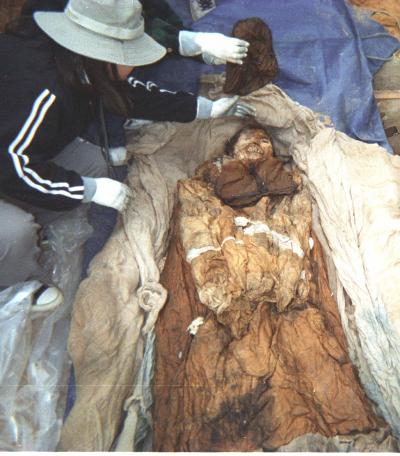
Korea had mummies? Apparently so.

Until recently, no one even knew that mummies existed in Korea. Korea's ancient tradition of ancestor worship and the belief that at death, the soul rises up and the body has to go back to its natural components, without interference by external elements, meant that mummification was in fact anathema in Korean culture. However, with the take-over of the neo-Confucianist Joseon Dynasty in 1392, changes were made to the former Buddhist burial practices.

The burial process involved laying the body on ice for three to thirty days during mourning, placing the body inside an inner and an outer pine coffin, surrounded by the deceased's clothes, and the covering he coffin in a lime soil mixture.