Banner
Males Are Genetically Wired To Beg Females For Food

Bees have the reputation of being incredibly organized and spending their days making sure our...

The Scorched Cherry Twig And Other Christmas Miracles Get A Science Look

Bleeding hosts and stigmatizations are the best-known medieval miracles but less known ones, like ...

$0.50 Pantoprazole For Stomach Bleeding In ICU Patients Could Save Families Thousands Of Dollars

The inexpensive medication pantoprazole prevents potentially serious stomach bleeding in critically...
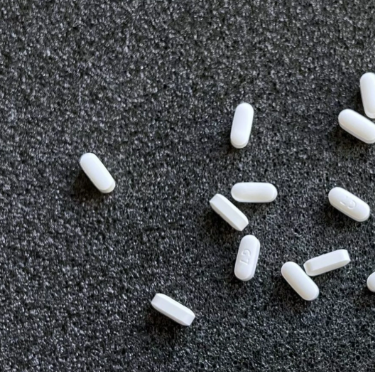
Metformin Diabetes Drug Used Off-Label Also Reduces Irregular Heartbeats

Adults with atrial fibrillation (AFib) who are not diabetic but are overweight and took the diabetes...

User picture.
News StaffRSS Feed of this column.

News Releases From All Over The World, Right To You... Read More »

Blogroll

The fossil record seems to indicate that the diversity of marine creatures increased and decreased over hundreds of millions of years in step with predator-prey encounters, Virginia Tech geoscientists report in the Proceedings of the National Academy of Science.

For decades, there has been a debate between paleontologists, biologists, and ecologists on the role of ecological interactions, such as predation, in the long term patterns of animal evolution.

Chocolate is the most widely and frequently craved food. People readily admit to being ‘addicted to chocolate’ or willingly label themselves as ‘chocoholics’. A popular explanation for this is that chocolate contains mood-enhancing (psychoactive) ingredients that give it special appeal.

Evidence and logic, however, find little support for this. Substances present in chocolate which have been highlighted as potentially pharmacologically significant include serotonin, tryptophan, phenylethylamine, tyramine and cannabinoids. However, many of these compounds exist in higher concentrations in other foods with less appeal than chocolate.

Giving children a diet rich in fish and “fruity vegetables” can reduce asthma and allergies, according to a seven-year study of 460 Spanish children.

The findings also reinforce the researchers’ earlier findings that a fish-rich diet in pregnancy can help to protect children from asthma and allergies.

“We believe that this is the first study that has assessed the impact of a child’s diet on asthma and allergies and also taken into account the food their mother ate during pregnancy” says lead author Dr Leda Chatzi from the Department of Social Medicine at the University of Crete, Greece.

Tendon damage can sometimes be severe enough to end an athletic career but a consortium of scientists has identified unique cells within the adult tendon that have stem-cell characteristics —including the ability to proliferate and self-renew.

The research team was able to isolate these cells and regenerate tendon-like tissue in the animal model. Their findings hold tremendous promise for the treatment of tendon injuries caused by overuse and trauma.

Tendons, the tough band of specialized tissues that connect bone to muscle, are comprised of strong collagen fibrils that transmit force allowing the body to move. Tendon injuries are a common clinical problem as damaged tendon tissue heals slowly and rarely regains the integrity or strength of a normal, undamaged tendon.

A leading UK expert in analysing pharmaceutical compounds has demonstrated that Direct Analysis in Real Time (DART) technology can identify fake medicines in minutes.

Traditional technology, based on large, laboratory-based methods, takes hours and sometimes days of intensive work.

More than a billion people worldwide lack access to clean drinking water. Diseases caused by unsafe drinking water are among the world's most serious public health threats.

The Global Health and Education Foundation provided funding to the Marian Koshland Science Museum of the National Academy of Sciences to develop "Safe Drinking Water Is Essential" ( http://www.drinking-water.org), a resource devoted to providing international decision makers with peer-reviewed scientific information about enhancing the safety of drinking water supplies.

More than 125 academies worldwide are disseminating information about the Web resource, which is available in five languages.