Banner
The Scorched Cherry Twig And Other Christmas Miracles Get A Science Look

Bleeding hosts and stigmatizations are the best-known medieval miracles but less known ones, like ...

$0.50 Pantoprazole For Stomach Bleeding In ICU Patients Could Save Families Thousands Of Dollars

The inexpensive medication pantoprazole prevents potentially serious stomach bleeding in critically...
Metformin Diabetes Drug Used Off-Label Also Reduces Irregular Heartbeats

Adults with atrial fibrillation (AFib) who are not diabetic but are overweight and took the diabetes...

Your Predator: Badlands Future - Optical Camouflage, Now Made By Bacteria

In the various 'Predator' films, the alien hunter can see across various spectra while enabling...

User picture.
News StaffRSS Feed of this column.

News Releases From All Over The World, Right To You... Read More »

Blogroll

A study by researchers at the University of Southampton has shown evidence of increased levels of hyperactivity in young children consuming mixtures of some artificial food colors and the preservative sodium benzoate.

The possibility of food colors and preservatives affecting children's behavior has long been an unresolved question for parents. This significant new research by a team from the University of Southampton's Schools of Psychology and Medicine provides a clear demonstration that changes in behavior can be detected in three-year-old and eight-year-old children.

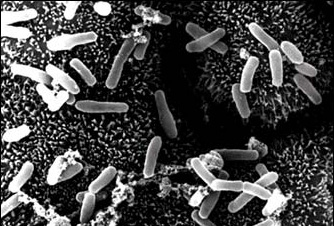
A common hospital superbug called Clostridium has a protective coat of armor that can self assemble when put into a test tube on its own, which may have important commercial uses in nanotechnology, according to scientists.

Like many other micro-organisms, Clostridium difficile produces a lattice coat made of proteins to surround its cell wall and protect it like a suit of armour. The complete protein coat is then attached to the underlying cell wall with chemical bonds.

“We have discovered that these protein coats have a remarkable ability to self-assemble when they are taken off the bacteria and put into a test tube.

How we come to express the genes of one parent over the other is now better understood through studying the platypus and marsupial wallaby – and it doesn’t seem to have originated in association with sex chromosomes.

New research published in BMC Evolutionary Biology has shed light on the evolution of genomic imprinting, in which specific genes on chromosomes that have been inherited from one parent are expressed in an organism, while the same genes on the chromosome inherited from the other parent are repressed.

Imprinting arises from some kind of ‘epigenetic memory’ – modifications to the DNA from one parent, such as the way the chromosomal material is packaged, that do not allow particular genes to be expressed. The reasons why imprinting evolved are not understood.

Bacteria that thrive in oxygen starved environments have been used successfully to target cancer tumors, delivering gene therapy based anti-cancer treatments, according to scientists.

For about half of cancer sufferers traditional treatments such as radiotherapy and chemotherapy are ineffective, so alternative techniques are being developed to target their tumors.

“To target a tumour with gene therapy you need three things. You need to be able to distinguish the tumour from its surrounding healthy tissue. You need to identify a therapeutic gene which will treat the problem. And you need some way of delivering the gene to the tumour”, says Dr Jan Theys of Maastricht University, the Netherlands.

So vital is the p53 tumor suppressor gene in controlling cancer that its dysfunction is linked to more than half of human cancers. At the same time, the gene’s capacity for shutting down cell growth, even causing cells to commit suicide if necessary, is so absolute that it must be tightly regulated to maintain the optimal balance between protecting against cancer and permitting normal growth.

Now, a study by scientists at The Wistar Institute reveals new levels of subtlety in the body’s management of this all-important tumor suppressor gene and the protein it produces.

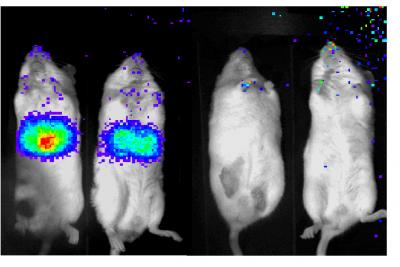
With the help of genetically engineered mice whose livers turned into glowing light bulbs, researchers at the Salk Institute for Biological Studies have illuminated the underpinnings of an insidious and growing health concern— type II diabetes.

In the study published in the September 5 advanced online edition of Nature, the researchers report that a protein called TORC2 serves as a key biochemical control point linking feeding, insulin, and elevated blood sugar production in the liver.