Banner
The Scorched Cherry Twig And Other Christmas Miracles Get A Science Look

Bleeding hosts and stigmatizations are the best-known medieval miracles but less known ones, like ...
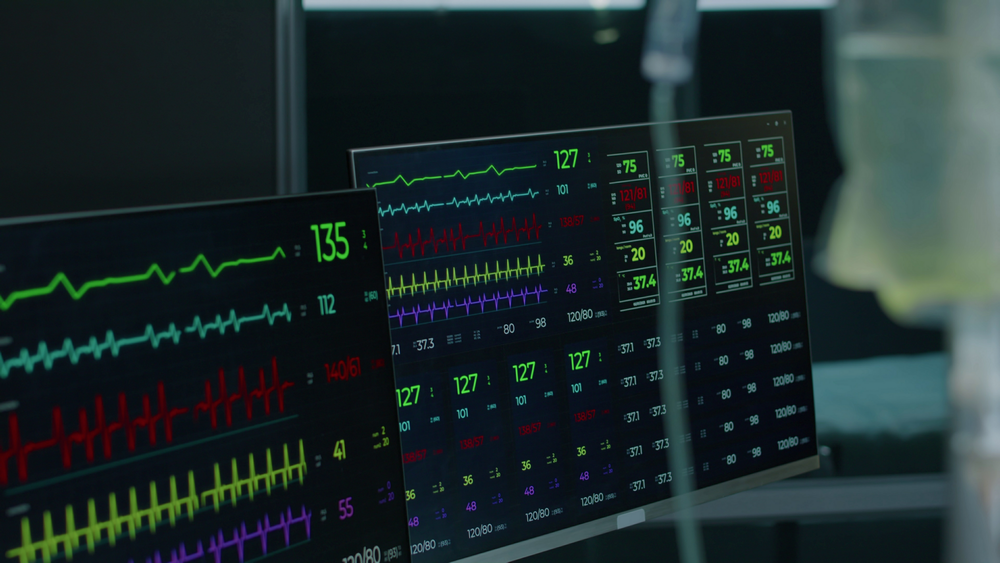
$0.50 Pantoprazole For Stomach Bleeding In ICU Patients Could Save Families Thousands Of Dollars

The inexpensive medication pantoprazole prevents potentially serious stomach bleeding in critically...
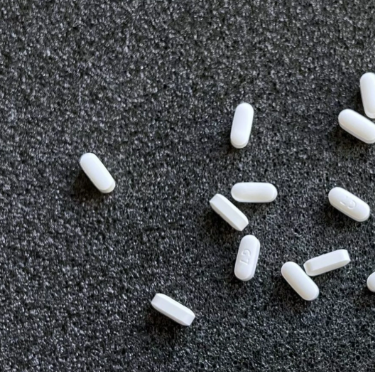
Metformin Diabetes Drug Used Off-Label Also Reduces Irregular Heartbeats

Adults with atrial fibrillation (AFib) who are not diabetic but are overweight and took the diabetes...

Your Predator: Badlands Future - Optical Camouflage, Now Made By Bacteria

In the various 'Predator' films, the alien hunter can see across various spectra while enabling...

User picture.
News StaffRSS Feed of this column.

News Releases From All Over The World, Right To You... Read More »

Blogroll

Without the heartbreak of ended relationships, half of popular music would cease to exist. Everyone has had one but it turns out it probably wasn't so bad - especially if you thought it would be horrible.

A new Northwestern University study shows that lovers, even those madly in love, do much better following a breakup than they imagined they would.

In other words, participants who forecast how badly they would feel over a breakup with a partner actually felt much less distress than they had predicted in the days prior to the relationship’s demise.

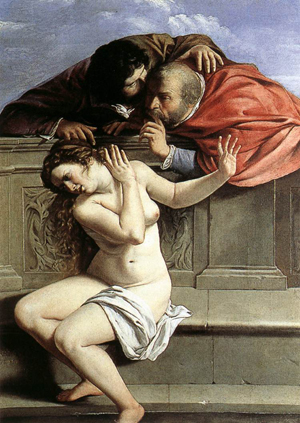
In 17th century Rome, the Baroque painter Orazio Gentileschi gave all his children the finest art education available. But only one of them—his daughter Artemisia—developed into an artist. In fact, Artemisia matched and surpassed her father's skills, and became the first female member of the Academy of Design in Florence and the only woman to follow and innovate upon the tradition of painting established by Caravaggio.

What creates a great artist like Gentileschi, Van Gogh or Manet? Talent or training?

Chemical engineers at Purdue believe they have discovered a fundamental flaw in the conventional view of how liquids form bubbles that grow and turn into vapors and that their findings cast into doubt some aspects of a theory dating back to the 1920s, said David S. Corti, an associate professor of chemical engineering at Purdue University.

The research could lead to a more precise understanding of the "phase transition" that takes place when bubbles form, grow and then become a vapor, which could, in turn, have implications for industry and research, Corti said.

Dozens of scientists from several countries gathered at the University of Alaska Fairbanks to discuss the latest findings on noctilucent clouds and other phenomena of the earth’s upper atmosphere during the Eighth International Workshop on Layered Phenomena in the Mesopause Region.

“The question which everyone in Alaska is dealing with is what are the symptoms of climate change and, as in medicine, how do these symptoms reflect the underlying processes,” said Richard Collins, a researcher at the Geophysical Institute at the University of Alaska Fairbanks. “It is believed that [these clouds] are an indicator of climate change.”

Noctilucent clouds form under conditions that counter common logic. They only form in the summer, when solar radiation is most intense, Collins said.

Huntington disease (HD) is a neurological disorder resulting from degeneration of brain cells. The degeneration causes uncontrolled limb movements and loss of intellectual faculties, eventually leading to death. There is no treatment. HD is a familial disease, passed from parent to child through a mutation in the normal gene. The disorder is estimated to affect about one in every 10,000 persons.

Ray Truant, professor in the Department of Biochemistry and Biomedical Sciences at McMaster University and PhD candidate Randy Singh Atwal, have discovered a small protein sequence in huntingtin that allows it to locate to the part of the cell critical for protein quality control.

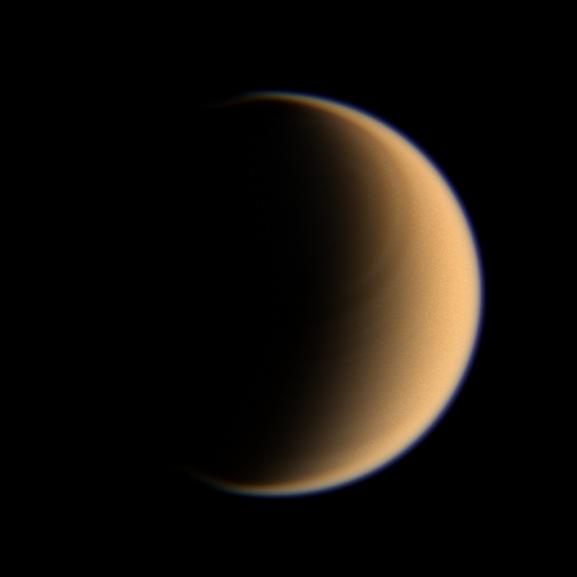
The question of whether Titan can retain its thick, organic atmosphere for the rest of its lifetime could hinge on how efficiently methane molecules were packed inside water “crates” during a period of the moon’s formation.

Dr Vasili Dimitrov, who spoke at the European Planetary Science Congress in Potsdam, said, “If Titan runs out of methane and loses its ‘veil’, it will become a completely different type of astrophysical body. Methane drives the chemical reactions in Titan’s atmosphere but, because it’s so highly reactive and therefore short-lived, it must be replenished. We need to find out just how much methane is stored in the primordial reserve in Titan’s interior at a level where it can escape to the surface.