Banner
Pilot Study: Fibromyalgia Fatigue Improved By TENS Therapy

Fibromyalgia is the term for a poorly-understood condition where people experience pain and fatigue...

High Meat Consumption Linked To Lower Dementia Risk

Older people who eat large amounts of meat have a lower risk of dementia and cognitive decline...

Long Before The Inca Colonized Peru, Natives Had A Thriving Trade Network

A new DNA analysis reveals that long before the Incan Empire took over Peru, animals were...

Mesolithic People Had Meals With More Tradition Than You Thought

The common imagery of prehistoric people is either rooting through dirt for grubs and picking berries...

User picture.
News StaffRSS Feed of this column.

News Releases From All Over The World, Right To You... Read More »

Blogroll
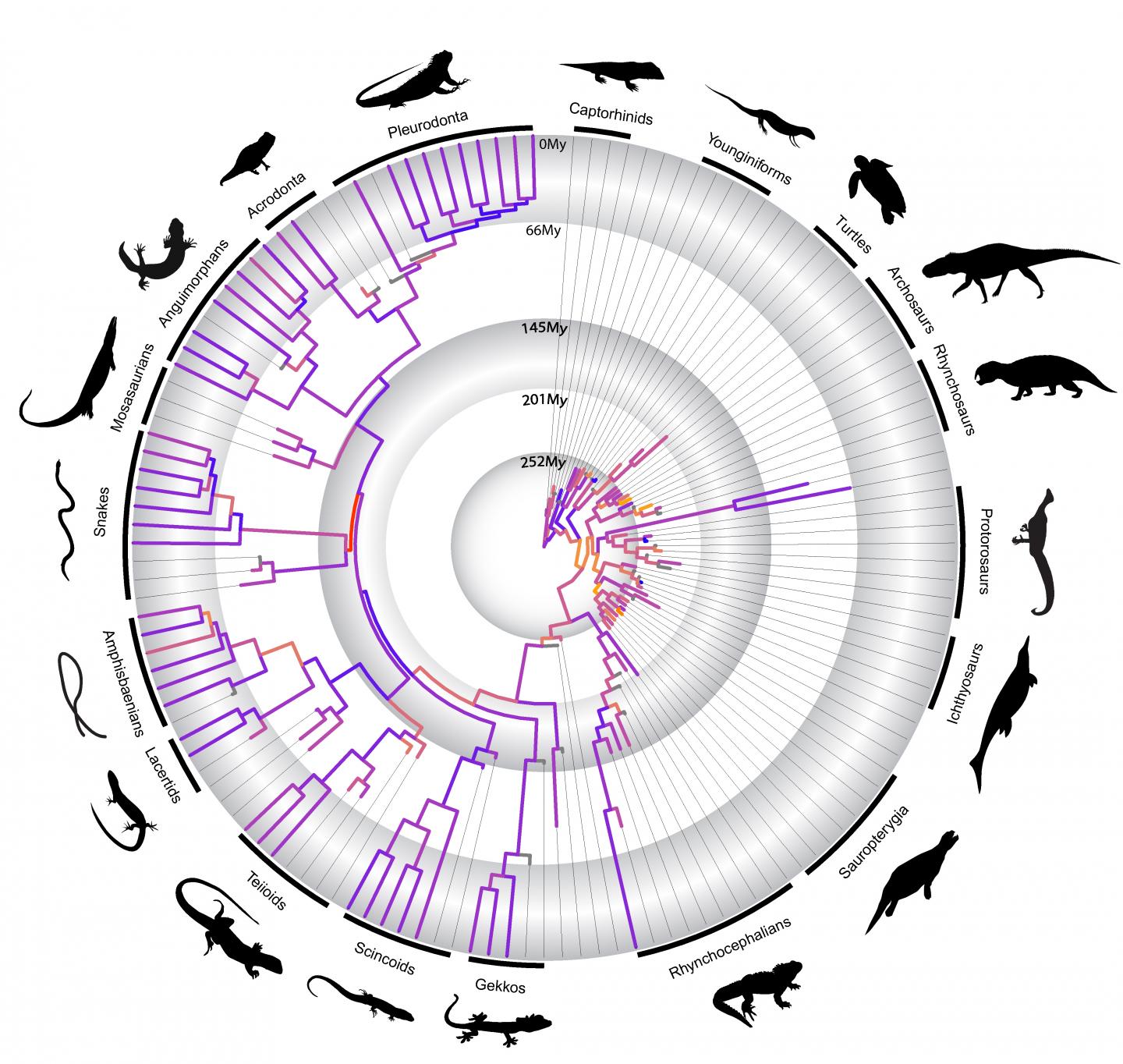
Though we've learned a lot about evolution in the last 150 years, when it comes to the details, some fundamental questions remain unanswered. Such as when and how extremely diverse groups of animals such as reptiles first evolved. For seventy-five years, adaptive radiation, the relatively fast evolution of many species from a single common ancestor, has been considered a major cause of biological diversity.

This has even been for the origins of major body plans (structural and developmental characteristics that identify a group of animals) and new lineages. Yet examining these rapid rates of evolution has been constrained by the methods used and the amount of data available.

Angiotensin converting enzyme inhibitor (ACE-i) or angiotensin II receptor blocker (ARB) medications are prescribed for conditions such as heart failure, high blood pressure or heart disease. They inhibit or block angiotensin, a chemical that causes arteries to become narrow, so are commonly prescribed for people with high blood pressure to relax and open blood vessels, lowering blood pressure.

They may also lower risk of colorectal cancer risk, the third most common cancer and second leading cause of cancer death worldwide.

Though old age, respiratory issues, blood clots, and obesity are risk factors for likelihood and severity of COVID-19, one group in the respiratory section needn't worry more; asthmatics.

Asthma does not appear to increase the risk for a person contracting COVID-19 or influence its severity.
Coronavirus and the COVID-19 disease it brings does not discriminate on race, creed, or color, but it does target people with pre-existing conditions. Like age, respiratory issues, and obesity, which are risk factors for nearly everything. And that can translate into cultural disparity.

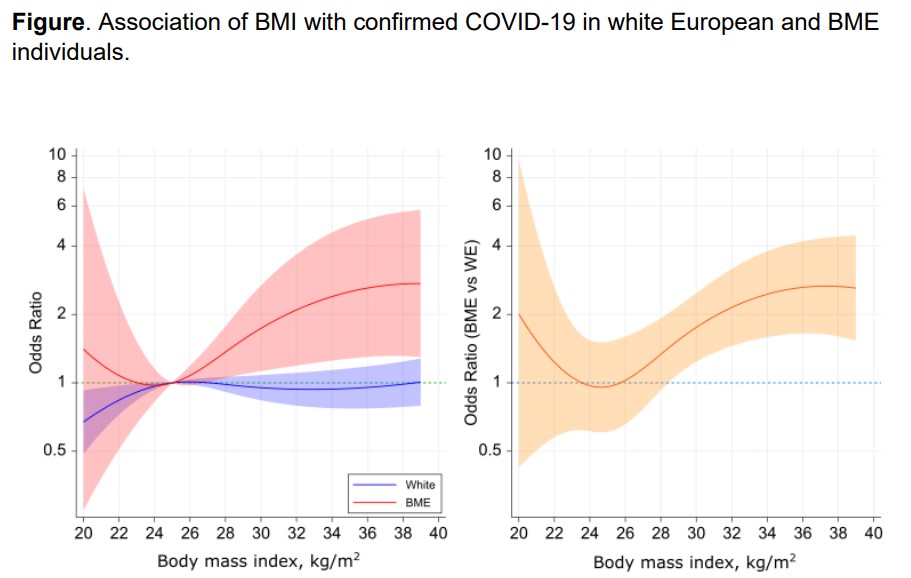
Obese European minorities are up to two times higher the risk of contracting COVID-19 than white Europeans, a study has found. The study used body mass index (BMI), a controversial metric with numerous confounders, so caution is warranted, and cardiometabolic health. The researchers wanted to see if they could statistically link a person's weight to the relative risk of COVID-19 across ethnic groups.
Sweden did not lock down during COVID-19 and while aggressive epidemiological models promoted by bloggers wildly overstated the deaths that would occur, by an order of magnitude, it did produce more per capita deaths and greater healthcare demand than seen in countries with earlier, more stringent intervention.
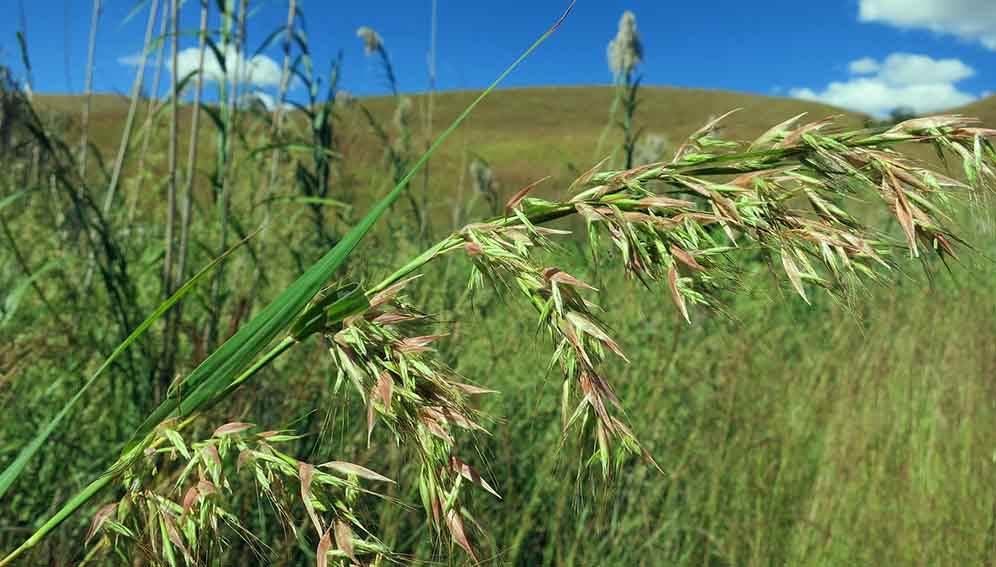
When well-meaning people in Madagascar, urged on by poorly-informed environmentalists and carbon credit companies, rushed to plant a million trees in one January day, scientists were outraged. They were planting them in the country’s barren Central Highlands - and destroying an ancient ecosystem.

Ancient Madagascan grasslands fell victim to a modern frenzy to afforest the world that has gripped political leaders - and that is thanks to lobbyists paid by environmental lawyers.