Banner
Pilot Study: Fibromyalgia Fatigue Improved By TENS Therapy

Fibromyalgia is the term for a poorly-understood condition where people experience pain and fatigue...

High Meat Consumption Linked To Lower Dementia Risk

Older people who eat large amounts of meat have a lower risk of dementia and cognitive decline...

Long Before The Inca Colonized Peru, Natives Had A Thriving Trade Network

A new DNA analysis reveals that long before the Incan Empire took over Peru, animals were...

Mesolithic People Had Meals With More Tradition Than You Thought

The common imagery of prehistoric people is either rooting through dirt for grubs and picking berries...

User picture.
News StaffRSS Feed of this column.

News Releases From All Over The World, Right To You... Read More »

Blogroll
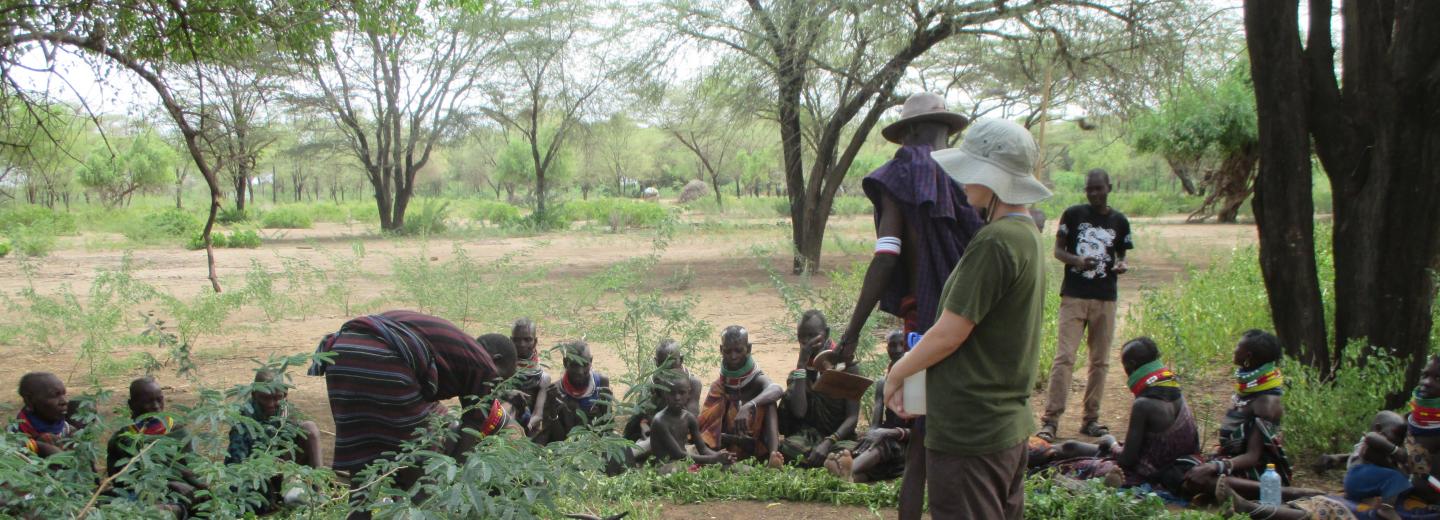
It doesn't seem like it if you watch political news but humans are unusually cooperative. We are unique in that we often cooperate with genetically unrelated strangers.

Nurses, firefighters, helping someone who dropped a package, standing in line, there is no natural selection benefit to that. In a natural selection-dominated world, the cheats, nepotists, and cronies would always win but unlike most of the animal kingdom, those behaviors are considered deviant.

Why do we cooperate? Language, intelligence, religion, the desire to hunt large game, there is no shortage of speculation about why we became Apex Cooperators. 
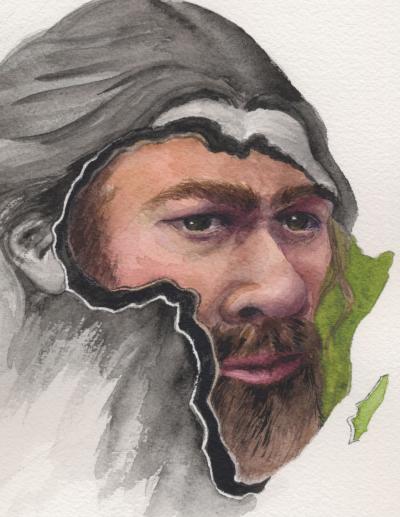
Neanderthal DNA sequences are more common in modern Africans than previously known, and different non-African populations have levels of Neanderthal ancestry surprisingly similar to each other, according to a new study in Cell.

Researchers arrived at these findings by developing a new statistical method, called IBDmix, to identify Neanderthal sequences in the genomes of modern humans. The results also suggest that African genomes contain Neanderthal sequences in part due to back-migration of ancestors of present-day Europeans. 
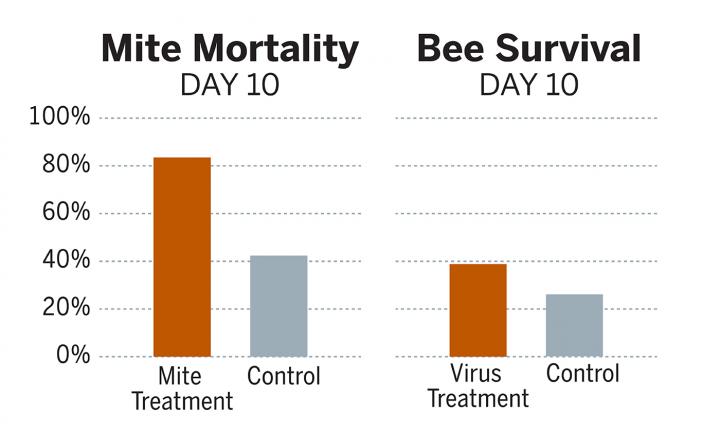
Sometimes bees die off in large groups. Since the first beekeeping recorded in history, in the 10th century, there have been documented cases where entire hives perished. Some blamed bad bee husbandry, some blamed weather, and then in recent cases some tried to blame pesticides.
New genetic analysis of 10 genome sequences of novel coronavirus (2019-nCoV) from nine patients in Wuhan finds that the virus is most closely related to two bat-derived SARS-like coronaviruses, according to a study published in The Lancet.

The authors say that although their analysis suggests that bats might be the original host of the virus, an animal sold at the Huanan seafood market in Wuhan might represent an intermediate host that enables the emergence of the virus in humans. 
Pyrus calleryana (Callery pear) is a tree native to China and Vietnam that California government introduced a hundred years ago after natural fire blight wiped out much of the European pear crops grown in the state. 

Since the callery pear was highly resistant to fire they wanted to graft it to the European pear trees, so researchers traveled to China, then took a four-day boat ride from Wuhan up the Yangtze to where the natural trees grew in abundance. As a bonus, they found it could grow anywhere, and that meant it could grow as landscape even in a state that is mostly desert and artificially watered like California.
Plutella xylostella (diamondback moth) does tremendous damage to brassica crops such as cabbage, broccoli, cauliflower and canola. A new strain of diamondback moth developed by Oxitec Ltd, (OX4319L) is modified to control pest diamondback moth in a targeted manner. It limits its  pest counterparts because they find and mate with pest females, but they pass along a self-limiting gene to offspring, which prevents female caterpillars from surviving.

With sustained releases, the pest population is suppressed in a targeted, ecologically sustainable way. After releases stop, the self-limiting insects decline and disappear from the environment within a few generations.