Banner
Pilot Study: Fibromyalgia Fatigue Improved By TENS Therapy

Fibromyalgia is the term for a poorly-understood condition where people experience pain and fatigue...

High Meat Consumption Linked To Lower Dementia Risk

Older people who eat large amounts of meat have a lower risk of dementia and cognitive decline...

Long Before The Inca Colonized Peru, Natives Had A Thriving Trade Network

A new DNA analysis reveals that long before the Incan Empire took over Peru, animals were...

Mesolithic People Had Meals With More Tradition Than You Thought

The common imagery of prehistoric people is either rooting through dirt for grubs and picking berries...

User picture.
News StaffRSS Feed of this column.

News Releases From All Over The World, Right To You... Read More »

Blogroll
“A great scientific truth does not triumph by convincing its opponents and making them see the light, but rather because its opponents eventually die, and a new generation grows up that is familiar with it,” the physicist Max Planck wrote.
In America, some groups tell us expiration dates on food are just a conservative guideline while other groups insist that if someone buys expired food the merchant should go to jail. In Europe it can be even more strange, they once tried to ban ugly fruit from being sold because it would likely be purchased by poor people,

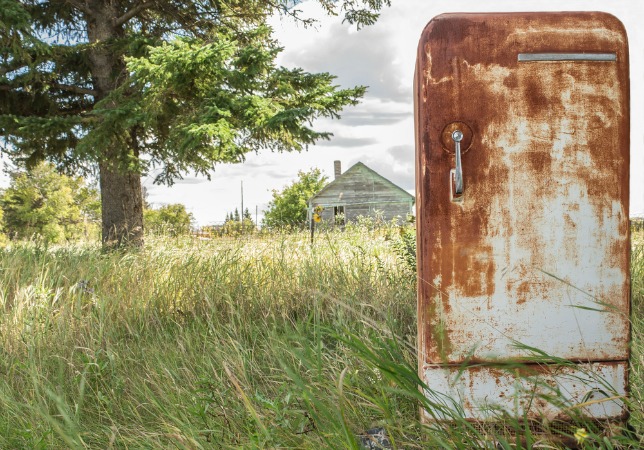
If you are a believer in the precautionary principle over all, you buy armloads of organic food at the farmer's market on Saturday, ingest herbs and supplements to promote probiotic health, and religiously obey expiration dates, your refrigerator is probably where food goes to die.
If you believe in medieval accounts of wine harvest dates, Burgundy grapes are in crisis. A new look at dates of grape harvest from the last 664 years says wine grapes in Burgundy, eastern France, have been picked 13 days earlier on average since 1988 than they were in the previous six centuries, and that is due to the region's hotter and drier climate in recent years. 

How accurate that is beyond the last 30 years is unclear.
If you never care about Haiti until a hurricane hits, are you really altruistic or did you instead imagine how others will perceive your actions? Can altruism even exist or does it all come down to social exchange?

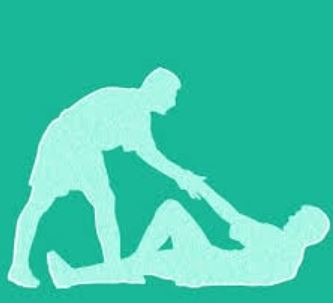
When people see someone in distress, neural pathways in the brain create facets of imagination that allow people to see the episode as it unfolds, finds a recent paper. That "episodic simulation", essentially the ability of individuals to re-organize memories from the past into a newly-imagined event simulated in the mindmay help them envision how to aid those in need.
Millennials, the first "Net Generation," say they can use many technologies simultaneously, masterfully switching from emails to instant messaging, app notifications, RSS feeds, and rants on Twitter much better than older generations.

Maybe they can. Generation Z certainly can.

A new study simulated a typical working environment, complete with technology interruptions, to allow scholars to track the effects on participants' inhibitory processes. College-age participants (naturally) totaling and a few other folks totaling 177 were divided into three groups: those who received IT interruptions; those who did not, and a control group. 
Discovery of a "remarkably complete" cranium  (MRD-VP-1/1, shortened to MRD) in February 2016 from a 3.8-million-year-old early human ancestor from the Woranso-Mille paleontological site, located in the Afar region of Ethiopia, represents a time interval between 4.1 and 3.6 million years ago when early human ancestor fossils are extremely rare, especially outside the Woranso-Mille area.