
Banner
Convergent Evolution Cheat Sheet Now 120 Million Years Old

One tenet of natural selection is a random walk of genes but nature may be more predictable than...

Synchrotron Could Shed Light On Exotic Dark Photons

There are many hypothetical particles proposed to explain dark matter and one idea to explore how...

The Pain Scale Is Broken But This May Fix It

Chronic pain is reported by over 20 percent of the global population but there is no scientific...
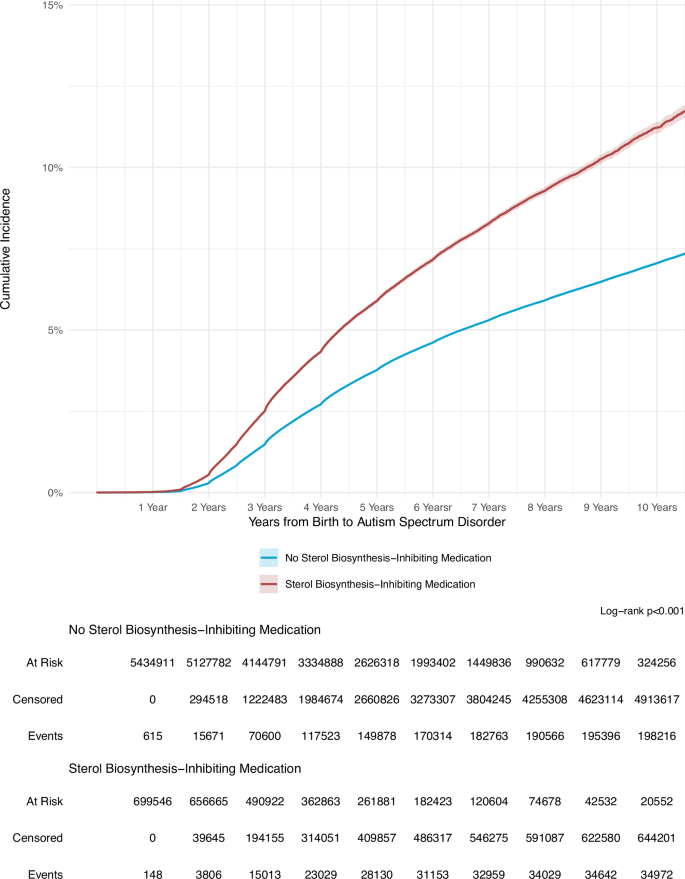
Study Links Antidepressants, Beta-blockers and Statins To Increased Autism Risk

An analysis of 6.14 million maternal-child health records  has linked prescription medications...

User picture.
News StaffRSS Feed of this column.

News Releases From All Over The World, Right To You... Read More »

Blogroll

The extreme cold weather observed across Europe and the east coast of the US in recent winters is due to to natural, long-term variations in sea surface temperatures, according to a new study published in Environmental Research Letters.

The researchers from University of California Irvine show that the Atlantic Multidecadal Oscillation (AMO) phenomenon — a natural pattern of variation in North Atlantic sea surface temperatures that switches between a positive and negative phase every 60-70 years — can affect an atmospheric circulation pattern, known as the North Atlantic Oscillation (NAO), that influences the temperature and precipitation over the Northern Hemisphere in winter.

In unvaccinated hotbeds like California and New York, rich elites rely on 'herd immunity' to protect their children - poor families will get the vaccines and protect the rich ones. That's why in those states, easily preventable diseases have come roaring back, with dangerous consequences.

Developing nations should be a reminder to anti-science progressives about the risks they are inflicting on kids who can't get vaccines, and their own children as well. Nearly 4 million children under 5 die from vaccine-preventable diseases worldwide each year.

Scientists from Queen Mary University of London have found that naturally high concentrations of the greenhouse gas methane contributes to energy production in chalk rivers, in a new study published today in the journal Proceedings of the Royal Society B.

Chalk rivers, found from Dorset to Cambridgeshire, sustain a diverse range of protected animals and plants, and are renowned globally for fly fishing, an industry worth more than £4M on the Rivers Test and Itchen (Hampshire) alone.

"It's a surprise to find methane is such a big source of energy in these gin-clear waters, famed for their luxuriant plant growth," said co-author Professor Mark Trimmer, Head of the Aquatic Ecology Group at Queen Mary's School of Biological and Chemical Sciences.

LIVERPOOL, UK – 2 April 2014: Female fruit flies with a large number of sexual partners are playing an invaluable role in preventing the extinction of males, research at the University of Liverpool has shown.

Scientists have found that flies in the northern parts of the United States are more inclined to have multiple partners in order to reduce the occurrence of an X chromosome which causes the production of only female offspring.

Charred grains of barley, millet and wheat deposited nearly 5,000 years ago at campsites in the high plains of Kazakhstan show that nomadic sheepherders played a surprisingly important role in the early spread of domesticated crops throughout a mountainous east-west corridor along the historic Silk Road, suggests new research from Washington University in St. Louis.

"Our findings indicate that ancient nomadic pastoralists were key players in an east-west network that linked innovations and commodities between present-day China and southwest Asia," said study co-author Michael Frachetti, PhD, an associate professor of archaeology in Arts&Sciences at Washington University and principal investigator on the research project.

They argue that "universal conclusions about its benefits cannot be drawn" and say further studies and better designed trials are needed.

A growing body of evidence indicates that vitamin D may reduce risks of a wide range of diseases, including bone mineral disease, multiple sclerosis, autoimmune disorders, cancer and cardiovascular problems. Yet, despite hundreds of trials, the evidence for vitamin D is still being debated.

Two papers published on bmj.com today attempt to make sense of the existing data.



