Banner
Pilot Study: Fibromyalgia Fatigue Improved By TENS Therapy

Fibromyalgia is the term for a poorly-understood condition where people experience pain and fatigue...

High Meat Consumption Linked To Lower Dementia Risk

Older people who eat large amounts of meat have a lower risk of dementia and cognitive decline...

Long Before The Inca Colonized Peru, Natives Had A Thriving Trade Network

A new DNA analysis reveals that long before the Incan Empire took over Peru, animals were...

Mesolithic People Had Meals With More Tradition Than You Thought

The common imagery of prehistoric people is either rooting through dirt for grubs and picking berries...

User picture.
News StaffRSS Feed of this column.

News Releases From All Over The World, Right To You... Read More »

Blogroll
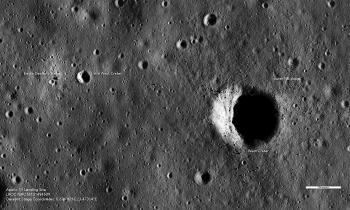
As the Apollo 11 Lunar Module approached the moon's surface for the first manned landing, commander Neil Armstrong switched off the auto-targeting feature of the LM's computer and flew the spacecraft manually.

A new video, created at Arizona State University's School of Earth and Space Exploration, shows what Armstrong saw out his window as the lander descended — and that means we can see for yourself why he took control. They used the crew's voice recording, the timings, a video taken on film and images taken from lunar orbit by the LROC over the last 10 years.

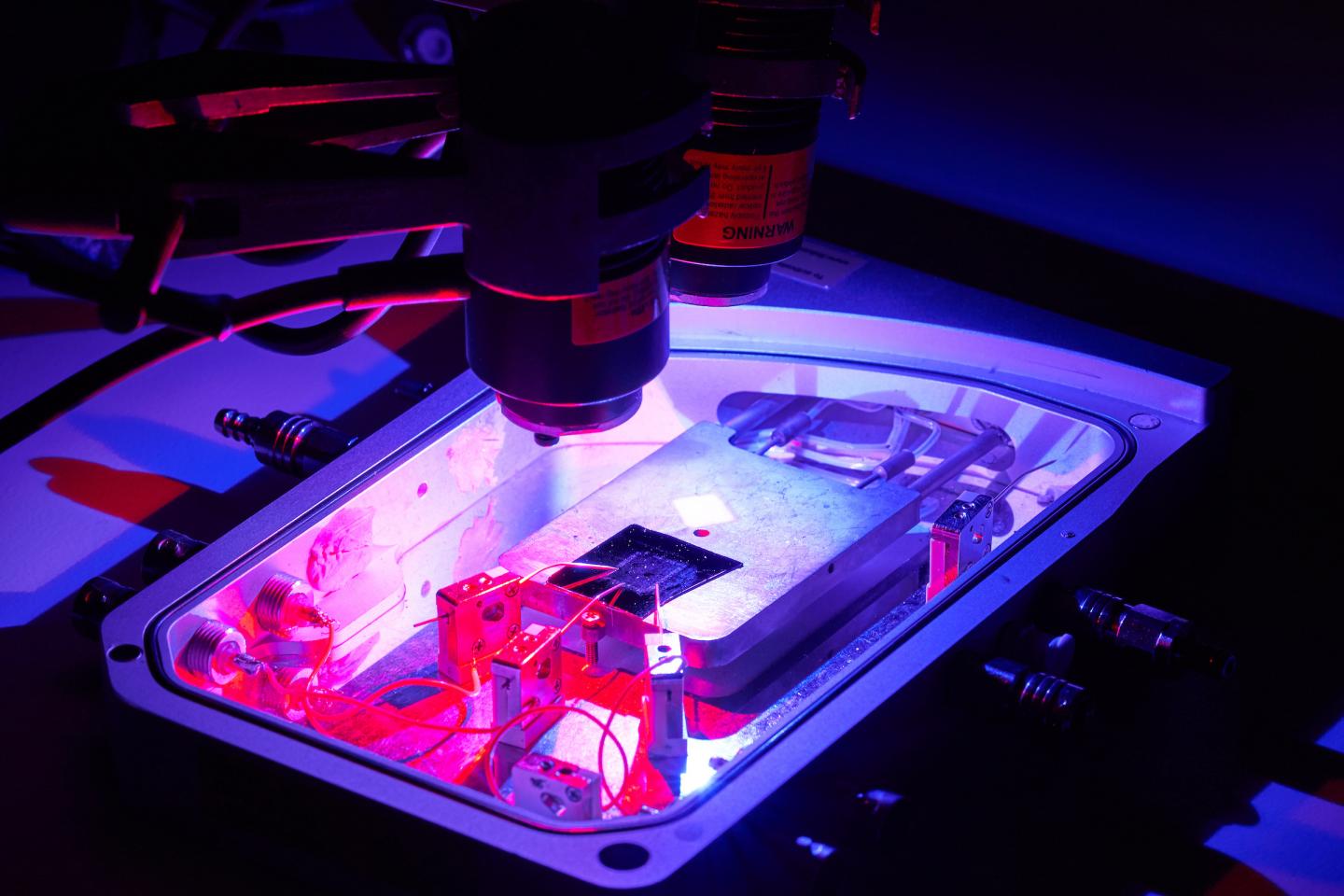
Optogenetics biotechnology, using light to manipulate neurons so that they can be turned on or off, has led to a device that replicates the way the brain stores and loses information.

The new chip is based on an ultra-thin material that changes electrical resistance in response to different wavelengths of light, enabling it to mimic the way that neurons work to store and delete information in the brain.

New efforts by the FDA and coastal cities to kill off e-cigarettes with bans and restrictions will drive existing users to smoke more cigarettes, according to new research from Duke Health.

The findings, from a survey of 240 young U.S. adults who use both e-cigarettes and traditional tobacco cigarettes, are scheduled to be published July 15 in the journal Substance Use & Misuse.

The online survey asked participants aged 18 to 29 to predict their use of two products they already used -- e-cigarettes and traditional tobacco cigarettes -- in response to hypothetical regulations to limit e-cigarette flavors, limit the customizability of e-cigarettes or eliminate the nicotine in e-cigarettes.

An antibody is an agent of the immune system that attaches to an antigen. Usually antibodies recognize antigens on a virus or bacteria and attach to the invader to mark it for destruction by other immune cells.

In a new study,  University of Colorado Anschutz researchers engineered an antibody to recognize and attach to a protein called EGFR. Bladder tumors (but not healthy cells) are often covered in EGFR. Other researchers have hooked molecules of chemotherapy to antibodies that recognize EGFR and have used this antibody-antigen system to micro-target the delivery of chemotherapy. In this case, researchers used nifty chemistry to attach gold nanoparticles to antibodies.
In April 2017, journalists promoted a claim about plastic bag eating caterpillars which led to sensationalistic coverage in worldwide media. They could eat the sea-sized floating islands of plastic bags that don't actually exist.

The science community was skeptical. 
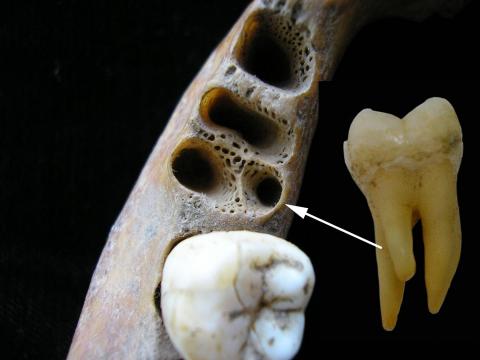
An analysis of a 160,000-year-old archaic human molar fossil discovered in China points to a different evolutionary path a rare trait primarily found in modern Asians than previously accepted timelines after Homo sapiens dispersed from Africa.

The study centers on a three-rooted lower molar and reveals the first morphological evidence of interbreeding between H. sapiens and the Denisovans, a sister group of Neanderthals