Banner
Pilot Study: Fibromyalgia Fatigue Improved By TENS Therapy

Fibromyalgia is the term for a poorly-understood condition where people experience pain and fatigue...

High Meat Consumption Linked To Lower Dementia Risk

Older people who eat large amounts of meat have a lower risk of dementia and cognitive decline...

Long Before The Inca Colonized Peru, Natives Had A Thriving Trade Network

A new DNA analysis reveals that long before the Incan Empire took over Peru, animals were...

Mesolithic People Had Meals With More Tradition Than You Thought

The common imagery of prehistoric people is either rooting through dirt for grubs and picking berries...

User picture.
News StaffRSS Feed of this column.

News Releases From All Over The World, Right To You... Read More »

Blogroll
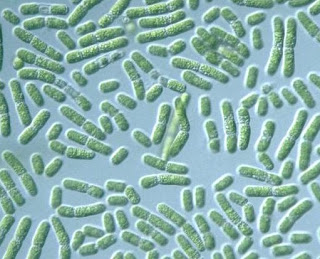
Oxygen in the Earth’s atmosphere is necessary for complex forms of life, which use it during aerobic respiration to make energy. The levels of oxygen dramatically rose in the atmosphere around 2.4 billion years ago, and speculation is that is when organisms called cyanobacteria, which perform the same type of organic photosynthesis that all plants do today, first evolved, and  could perform oxygen-producing (oxygenic) photosynthesis.

Perhaps cyanobacteria could have evolved before 2.4 billion years ago but something prevented oxygen from accumulating in the air.
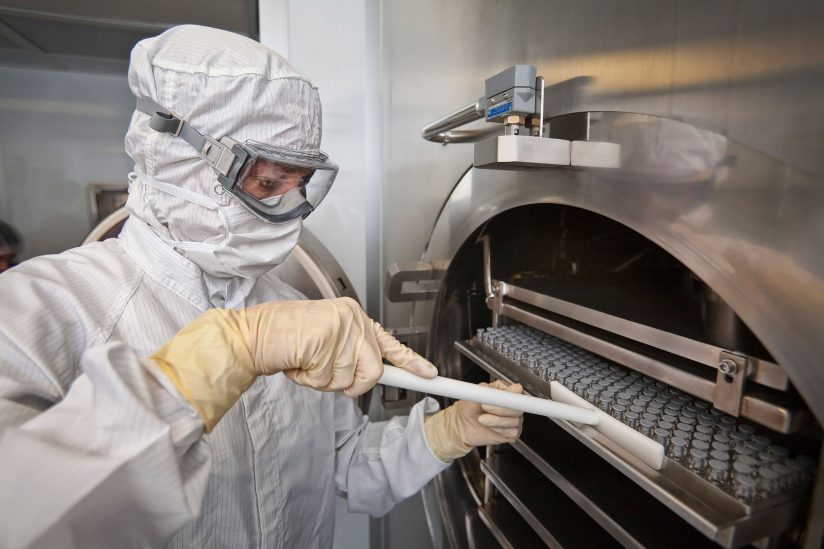
A polio vaccine that doesn't require refrigeration could be used all over the world, and that would bring an end to the devastating disease.

With just 22 reported cases worldwide in 2017, the highly infectious disease, which causes lifelong paralysis and disability mostly in young children, is on the brink of complete eradication. Yet in Nigeria, Papua New Guinea, Syria and Pakistan, countries where vaccination rates are spotty, young children remain at risk.
A biosynthetic pathway in bacteria includes a a carboxylase enzyme which adds CO2 to a precursor molecule, producing a highly unusual antibiotic called malonomycin.

Unchecked antibiotic resistance could result in an estimated 10 million deaths every year by 2050, while guesses on cost to the global economy go as high as $70 trillion in lost productivity. 

The researchers found that CO2 was introduced into the malonomycin structure, by a carboxylase enzyme that has never been characterized in bacteria before. Malonomycin carboxylase is most similar to a carboxylase enzyme in human cells which uses vitamin K to add CO2 to proteins in our bodies, triggering essential physiological responses including blood coagulation.
What factors sustain the diversity of life on our planet? You might be surprised to learn one answer is sexual harassment. 
After 32 people were infected with the outbreak strain of Shiga toxin-producing E. coli O157:H7 in 11 states between October 8th to October 31st, the CDC is now warning people about Romaine lettuce.  All of it, whole heads of romaine, hearts of romaine, and bags and boxes of precut lettuce and salad mixes that contain romaine, including baby romaine, spring mix, and Caesar salad, because no common grower, supplier, distributor, or brand of romaine lettuce has been identified.
Though anaphylaxis is rare, you are more likely to be murdered this Thanksgiving than die from a food allergy, companies and schools are increasingly buying epinephrine auto-injectors (EpiPens), which has led to shortages (government approval policies make it difficult for competitors to enter the market) and thus high costs. Though rare, the consequences of anaphylaxis are high, much more severe than using it when it might not be necessary.

If you are one of the millions of people in the U.S. who now carries an epinephrine auto injector (EAI) you probably wondered if it will still work if it freezes this winter. It will, according to new research being presented at the American College of Allergy, Asthma and Immunology (ACAAI) Annual Scientific Meeting.